


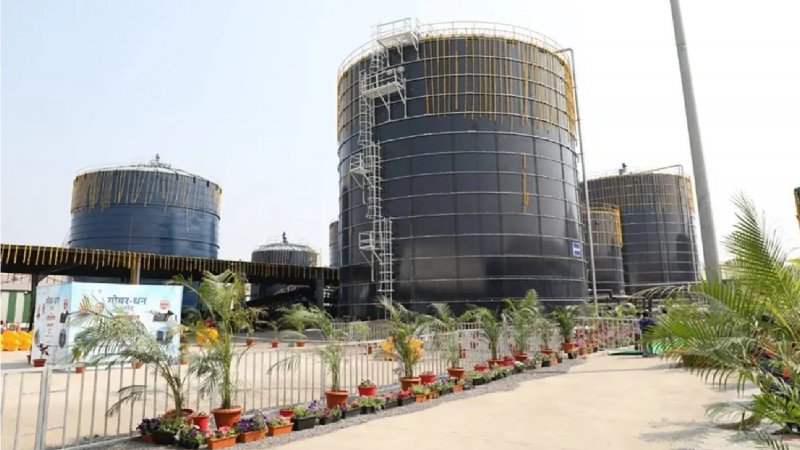
Lucknow is set to establish its first bio-compressed natural gas (bio-CNG) and organic fertiliser plant in the Amausi area, marking a significant shift in how the city processes its growing waste streams and sources cleaner fuel. Planned on municipal land and backed by a private operator, the facility aims to convert kitchen scraps, cow dung and agricultural residues into nearly ten tonnes of renewable fuel every day.
The ₹80-crore project, awaiting formal approval before construction begins, is being developed under a public-private partnership in which the private concessionaire will build and run the plant for two decades. Municipal officials say the model is designed to reduce upfront expenditure for the civic body while accelerating the city’s transition towards low-carbon fuels. Once operational, the plant is expected to handle about 200 tonnes of biodegradable waste daily. A large proportion will come from municipal cattle shelters, while the remainder will be sourced from households, markets and nearby farming communities. Officials involved in the project noted that the initiative could resolve longstanding concerns around the disposal of cow dung, which has created both logistical and sanitation challenges in several parts of the city.According to a senior municipal engineer, the bio-CNG produced will be priced marginally below prevailing market rates, making it a competitive option for city buses, commercial vehicles and institutional buyers looking to cut fuel costs and emissions.
The residue generated after gas extraction will be processed into organic manure, providing farmers with a locally available soil-enriching alternative to chemical fertilisers. Urban policy researchers point out that the project aligns with a broader national trend of cities investing in decentralised waste-to-energy solutions. Comparable facilities in Indore and Chandigarh have demonstrated the potential for such plants to reduce methane emissions, ease pressure on landfills and create jobs across the value chain. Experts emphasise that integrating waste-derived fuels into public transport networks could also help Indian cities move closer to net-zero mobility goals.
City officials expect the Amausi facility to generate modest but steady revenue for the municipal corporation while contributing to improvements in urban hygiene. A senior administrator described the project as “a practical example of the circular economy” and stressed that it will help the city treat waste as a resource rather than a burden. For residents, the initiative could offer tangible quality-of-life benefits: cleaner neighbourhoods, reduced landfill fires, and more sustainable fuel options for urban mobility. As Lucknow continues to expand, the shift towards resource-efficient infrastructure will be critical in ensuring that growth remains equitable, climate-responsive and economically resilient.
Also Read : https://urbanacres.in/bengaluru-prepares-updated-plan-for-urban-future/
Lucknow Readies BioCNG Plant For Cleaner Transport
