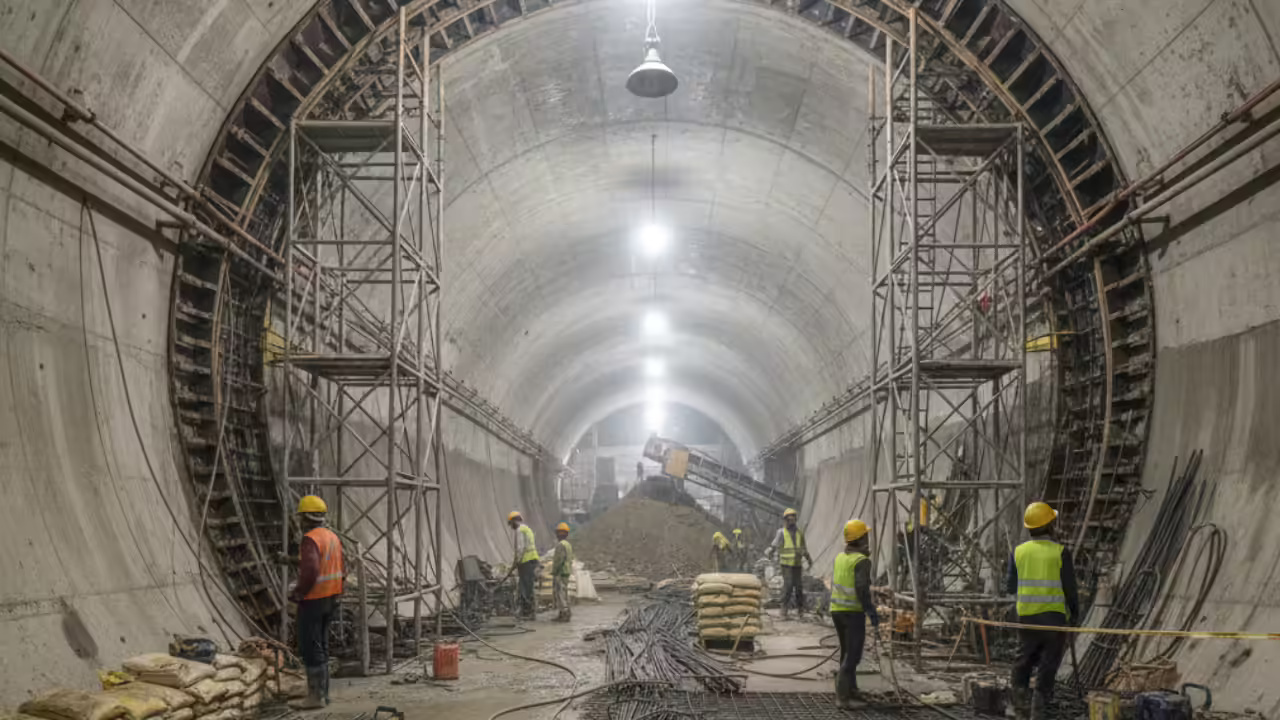
Mumbai is set to enhance commuter convenience along Metro Line 3 with a proposed 3-kilometre network of underground pedestrian tunnels, connecting key stations in Worli and the Bandra-Kurla Complex (BKC) to high-speed rail hubs and cultural precincts. The initiative aims to streamline first- and last-mile connectivity, reduce roadside congestion, and offer safe, accessible movement for all commuters.
According to officials, the plan includes a 500-metre pedestrian tunnel linking Science Centre station to the Nehru Planetarium. This shorter corridor is intended to improve visitor access, relieve foot traffic along busy streets, and encourage seamless integration between the metro and nearby cultural centres. The tunnels are projected to be approximately five metres wide and will feature escalators and lifts at entry points to ensure accessibility for senior citizens, differently abled individuals, office workers, and tourists. Industry experts note that while underground pedestrian networks are well-established at locations such as CSMT and Terminal 2, this proposed extension represents a significant upgrade in urban commuter infrastructure. “A well-integrated pedestrian network can dramatically improve user experience, reduce reliance on road transport, and enhance connectivity between public transport nodes and economic centres,” a senior urban planner said.
The project is expected to be completed by 2029–30, aligning with broader urban mobility and sustainable transport goals. Officials emphasise that these corridors will not only increase Metro Line 3 ridership but also promote safer and more comfortable pedestrian movement, particularly in high-density commercial zones like BKC, where last-mile travel remains a persistent challenge. The corridors are also expected to support Mumbai’s shift toward sustainable urban mobility. By reducing the need for short road trips, the network could lower vehicle emissions and improve air quality. Furthermore, enhanced access to cultural and business districts may boost local tourism and economic activity, creating ripple effects across surrounding neighbourhoods.
Commuters are optimistic about the proposal. “Navigating busy streets and crossing traffic-heavy junctions is stressful, especially for families and senior citizens. Underground tunnels could change daily travel for the better,” said a frequent Metro user. As Mumbai continues expanding its metro and urban infrastructure, the integration of underground pedestrian corridors demonstrates a focus on inclusive, sustainable, and safety-conscious design, offering a model for future transit-oriented development.
Mumbai Plans Triple Underground Walkways Linking Metro 3 Worli BKC Bullet Train hub