


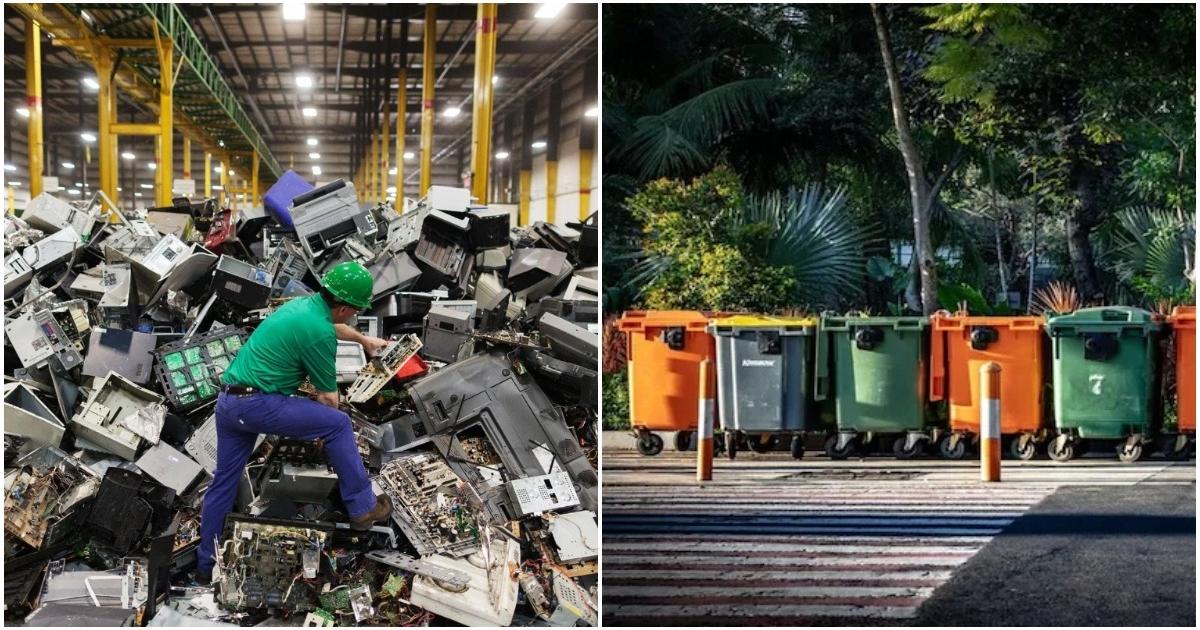
Bengaluru has taken a major step towards a circular urban economy with the launch of the city’s first integrated waste-to-value park, designed to drastically reduce landfill pressure while producing clean fuel, renewable electricity and organic fertiliser. The project is expected to become a model for sustainable city development, especially for high-density urban regions struggling with rising waste volumes.
The waste park is being developed at the Kannahalli Municipal Waste Plant in West Bengaluru, on land owned by the civic body. The facility currently handles about 350 tonnes of segregated organic waste daily, but the new public–private partnership aims to scale this up to nearly 900 tonnes per day once the project is fully operational. Officials involved said the objective is simple: “Treat urban waste as a resource, not a burden.” A compressed biogas (CBG) plant will anchor the first phase of the park and process 300 tonnes of organic waste per day. This is projected to generate around 10 tonnes of biomethane and 250 tonnes of organic fertiliser daily. In later phases, output is expected to increase to nearly 30 tonnes of biogas and 750 tonnes of fertiliser per day, significantly reducing the quantity of untreated organic waste heading to landfills.
Technology partners involved in the consortium believe the project demonstrates how segregated waste can support clean energy transitions in cities. One industry expert said the integration of biomethane, fertiliser production, power generation and refuse-derived fuel in one ecosystem “creates economic value while lowering emissions, odour and transport costs, all of which disproportionately affect low-income neighbourhoods near dumping grounds.” The project will also include a Material Recovery Facility (MRF) to sort 100 tonnes per day of dry waste, recovering recyclables and converting non-recyclables into refuse-derived fuel for industrial use. Another research institute is working on using rejected waste to produce 1 MW of renewable electricity for internal consumption and potential grid supply. The consortium is additionally exploring green hydrogen production from municipal solid waste. Urban policy analysts say Bengaluru’s waste-to-value approach reflects a broader shift in Indian cities, where increasing urbanisation and shrinking land availability make
traditional landfills untenable. “The future of waste management is decentralised resource recovery,” noted a senior sustainability researcher. “It is not just an environmental issue but a public health, economic and land equity issue.” By prioritising segregation at source, scientific disposal and reuse of waste-derived products, the Kannahalli project aligns with the objectives of the Swachh Bharat Mission and the Solid Waste Management Rules 2016. If it delivers on its targets, the project could relieve Bengaluru’s overburdened landfills, lower greenhouse gas emissions and provide farmers with reliable access to organic fertiliser — a crucial link in sustainable agriculture. For a fast-growing city where clean air, equitable land use and climate resilience have become core public concerns, this development suggests a future where cities are built not only to grow but to regenerate.
Also Read : Kolkata Metro Launches Smart Building Management System Across Blue Line Station
Bengaluru Builds First Urban Waste Value Park
