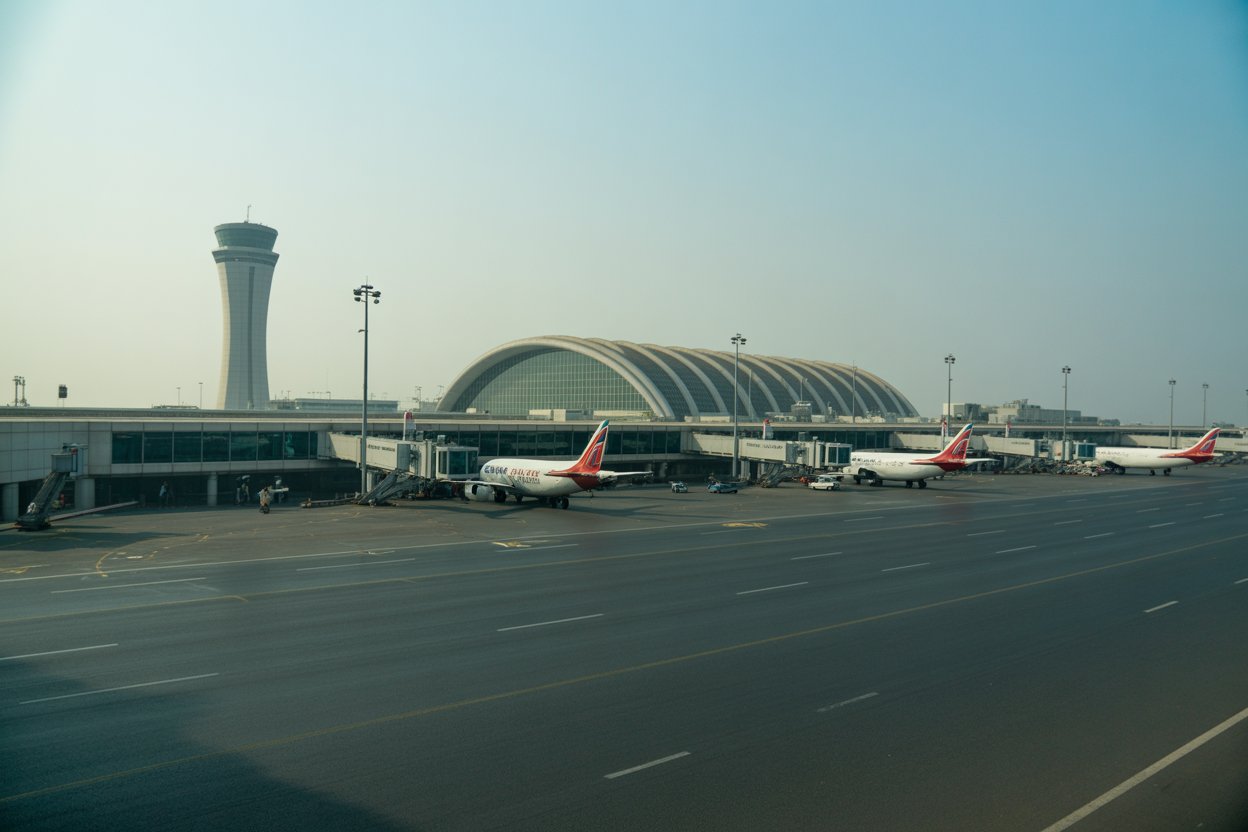
Navi Mumbai is preparing for a major shift in its mobility landscape as the Navi Mumbai International Airport (NMIA) moves towards its commercial opening on 25 December 2025. Positioned to function as a second gateway for the Mumbai Metropolitan Region (MMR), the airport is expected to ease congestion at the existing airport while building a future-ready aviation ecosystem for western India. Officials say the project will significantly strengthen regional connectivity, economic competitiveness and long-term urban growth.
Developed through a public-private partnership between the Maharashtra Government and a private airport operator, NMIA’s first phase will include a single runway, modern terminal facilities and operational capacity for 20 million passengers annually. The infrastructure has been designed with an emphasis on efficient passenger flow, digital processes and sustainable systems that reduce the carbon footprint commonly associated with large aviation hubs. Industry experts note that such facilities are essential for cities managing rapid population growth and rising demand for global mobility. Airlines have already begun committing to initial operations. Domestic carriers plan to launch services from the opening day, connecting major business and leisure destinations such as Delhi, Bengaluru, Goa, Kochi and Ahmedabad. Additional routes to cities including Guwahati, Chandigarh and Jaipur are also planned. An aviation official said the early interest reflects the strategic value of NMIA, which offers operators more slots, seamless movement and improved turnaround capability. International routes are expected to be added during subsequent phases as demand strengthens.
The airport’s terminal infrastructure prioritises passenger comfort through expansive waiting areas, streamlined check-in, and faster security systems. Digital ticketing, contactless processes and app-based services are being promoted to minimise queues—an essential shift as Indian airports transition towards more sustainable, efficient operations. Facilities such as lounges, retail outlets, cafés and uninterrupted Wi-Fi aim to create a modern, accessible airport experience. According to planners, the focus on inclusive design is key to ensuring a safe and comfortable environment for all travellers, including elderly passengers, children and persons with disabilities. Cargo operations form another major pillar of the project. Dedicated cargo terminals are expected to improve supply chain efficiency and support the region’s expanding industrial and manufacturing sectors. Analysts believe that a strong cargo backbone will contribute to employment generation, trade growth and resilient regional logistics, aligning with the broader goal of creating equitable economic opportunities across the MMR.
Connectivity enhancements will further define the airport’s long-term success. Metro Line 8 (the Gold Line) will link NMIA with Mumbai’s existing international airport, creating India’s first dual-airport metro corridor. The upcoming Mumbai Trans Harbour Link is expected to cut travel time from South Mumbai to the airport from 90 minutes to approximately 25 minutes, offering smoother access and reducing road congestion. Urban mobility experts say these integrations will support a more sustainable transport ecosystem and reduce dependence on private vehicles. As future expansions push NMIA’s planned capacity beyond 40 million passengers annually, Navi Mumbai is poised to emerge as a major economic and aviation hub. The airport’s development aligns with broader urban planning efforts aimed at building climate-resilient, well-connected and inclusive cities. With increasing global and domestic connectivity on the horizon, the airport represents a significant milestone in shaping the region’s urban future.
Navi Mumbai Airport To Boost Connectivity With New Routes And Higher Flight Frequencies