

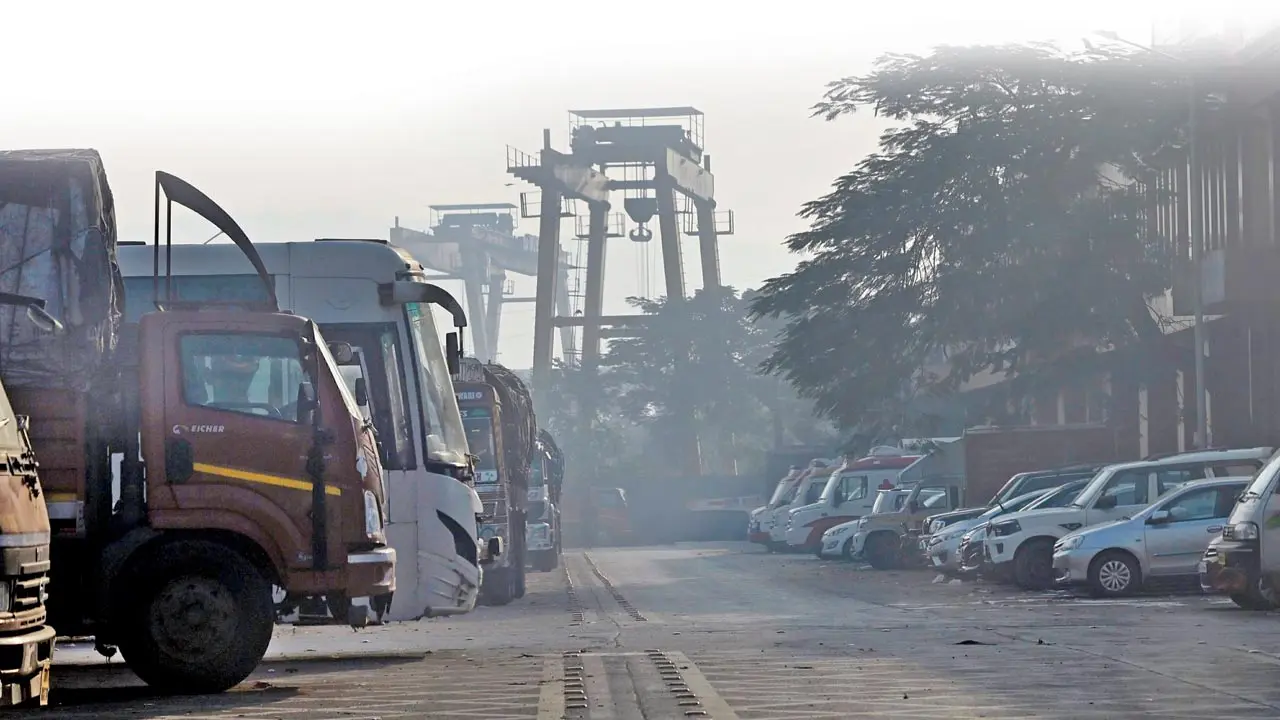
Mumbai’s winter air quality has deteriorated sharply, with several central neighbourhoods recording pollution levels in the “unhealthy” bracket due to ongoing metro and real estate construction. Localities such as Wadala, Sion and Pratiksha Nagar have emerged as dust-intensive pockets, with AQI readings frequently crossing the 200–300 range. The worsening conditions have raised concerns about public health risks and the need for stronger urban air-management protocols.
Residents say the situation has intensified over the past month as large-scale infrastructure and housing projects continue along key arterial roads. According to citizens living near monorail and metro construction corridors, dust clouds now form through the day, reducing visibility and aggravating respiratory irritation. Many describe the area as increasingly unsafe for commuters, particularly older adults, children and two-wheeler riders navigating low-visibility stretches during peak hours. Locals also point to the heavy movement of construction trucks transporting debris, steel, stones and equipment. An urban resident from Pratiksha Nagar said the repeated movement of uncovered or partially covered vehicles contributes to dust rising from the road surface. They added that even routine outdoor activity, including walking or driving short distances, now requires masks or scarves to avoid discomfort, although covering the face often leads to breathlessness.
Two-wheeler training instructors working near Wadala’s project sites report similar conditions, highlighting that visibility in early mornings and late evenings is particularly poor. Residents say cases of eye irritation, skin inflammation and breathing difficulty have risen, with many seeking medical advice for prolonged exposure to particulate matter. Environmental groups argue that Mumbai is facing an under-recognised urban health emergency. According to an environmental expert, particulate matter in these localities exceeds safe limits and can contribute to long-term respiratory and cardiac conditions. The expert stressed that several monitoring stations remain non-functional or fail to trigger timely action, reducing the city’s ability to respond proactively. Meanwhile, the Mumbai Metropolitan Region Development Authority (MMRDA), which is overseeing the metro corridor work affecting these areas, stated that dust mitigation remains a core priority. An MMRDA official said that the agency has implemented continuous tin barriers, anti-smog guns, water sprinkling, fogging and strict vehicle-washing norms across the sites.
They added that real-time sensors are being used to flag any breach of permissible thresholds, enabling corrective action on the ground. Urban planners note that while large infrastructure projects are essential for long-term mobility improvements, Mumbai must strengthen its construction air-quality standards to create healthier, more equitable neighbourhoods. Experts suggest that transparent, publicly accessible monitoring data, stricter enforcement against violators and the adoption of greener construction practices will be key to reducing pollution in dense residential clusters. Without these measures, they warn, winter pollution episodes are likely to intensify as the city continues its rapid expansion.
Also Read : Mumbai Proposes Dedicated Bus Lane Andheri Saki Naka Metro Congestion Relief Plan