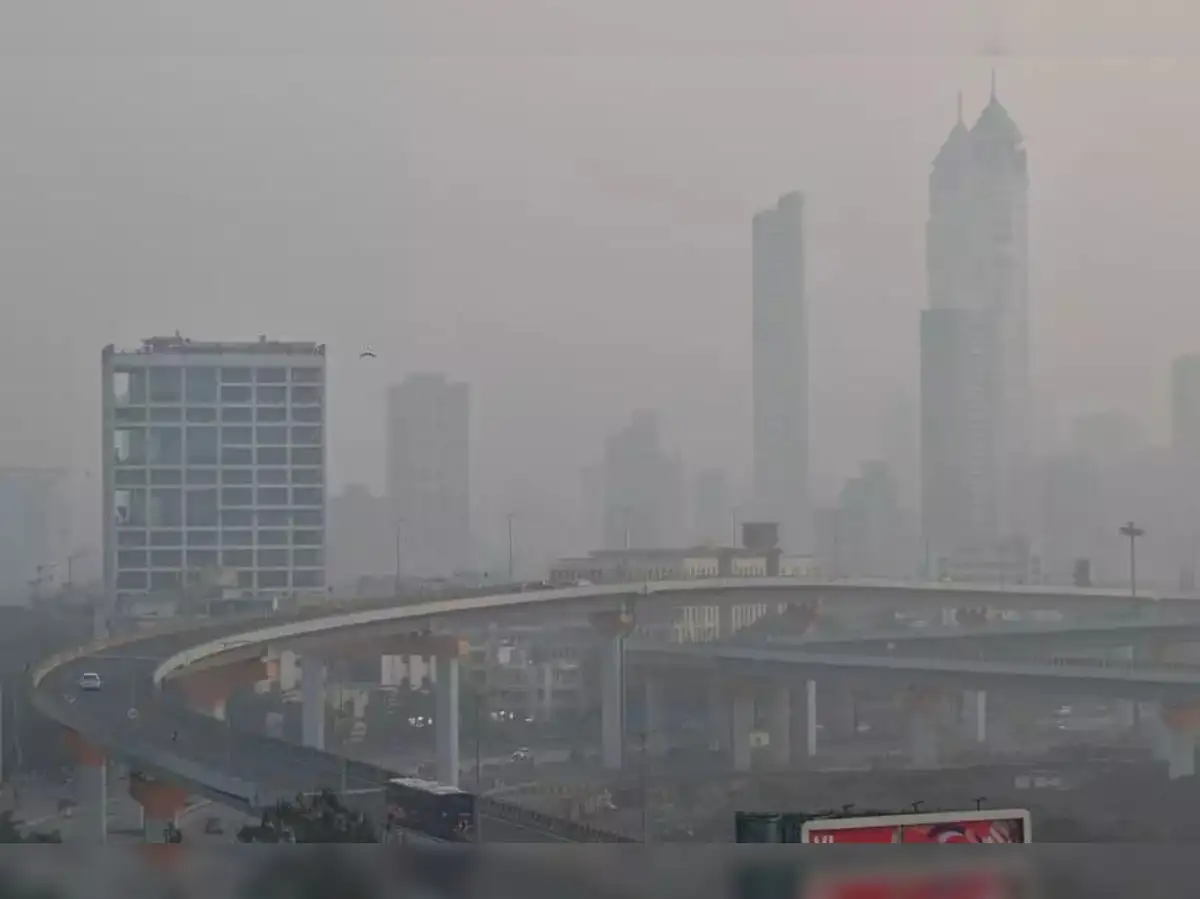
Mumbai is intensifying efforts to curb urban air pollution after the Brihanmumbai Municipal Corporation (BMC) issued stop-work notices to 53 construction sites found violating environmental and dust control regulations. The action highlights the city’s renewed focus on protecting public health while promoting sustainable urban development.
Officials confirmed that the sites targeted in the crackdown were either failing to comply with pollution-control guidelines or had deactivated Air Quality Index (AQI) monitoring equipment, which is mandatory for all major construction zones. “Continuous monitoring of dust and emissions is critical to ensure that construction activities do not exacerbate health risks for residents,” an official said.
The BMC’s directives mandate that construction sites install functional AQI sensors, maintain dust suppression measures, and adhere to work-hour regulations to minimise pollution impact. Additional Municipal Commissioner (City) Ashwini Joshi emphasised that any site found tampering with monitoring equipment or neglecting safety protocols would face immediate enforcement action, including fines and suspension of construction activity.
Urban planners note that construction-related emissions remain a significant contributor to Mumbai’s persistent air quality challenges, particularly in dense residential and commercial zones. “The city’s construction sector must balance development objectives with environmental responsibility,” a senior environmental consultant observed. Studies indicate that unregulated dust and particulate matter from building sites directly affect respiratory health, highlighting the importance of proactive civic oversight.
Industry experts suggest that the BMC’s crackdown also signals a shift towards more accountable and sustainable building practices. By enforcing real-time monitoring and compliance checks, the city can foster responsible urban growth while aligning with broader sustainability goals, including reduced carbon emissions and improved livability in high-density areas.The enforcement measures are part of a wider municipal strategy to strengthen environmental governance across Mumbai. Alongside construction site audits, authorities are increasingly leveraging technology for air quality surveillance and integrating green infrastructure in urban planning. Measures such as tree planting, roadside dust mitigation, and the promotion of low-emission construction materials are expected to complement regulatory action.
For residents, the immediate benefit of these interventions is cleaner air and reduced exposure to harmful pollutants. Long-term, such enforcement can encourage a culture of compliance and sustainable construction, ultimately contributing to the creation of more resilient, inclusive, and environmentally responsible urban communities.As Mumbai continues to expand, officials emphasise that coordinated action between developers, regulators, and the public is essential to maintain healthy air quality. The crackdown on non-compliant construction sites marks a decisive step in the city’s effort to manage urban growth sustainably while safeguarding the well-being of its citizens.
Mumbai BMC Cracks Down On 53 Construction Sites As Pollution Worsens