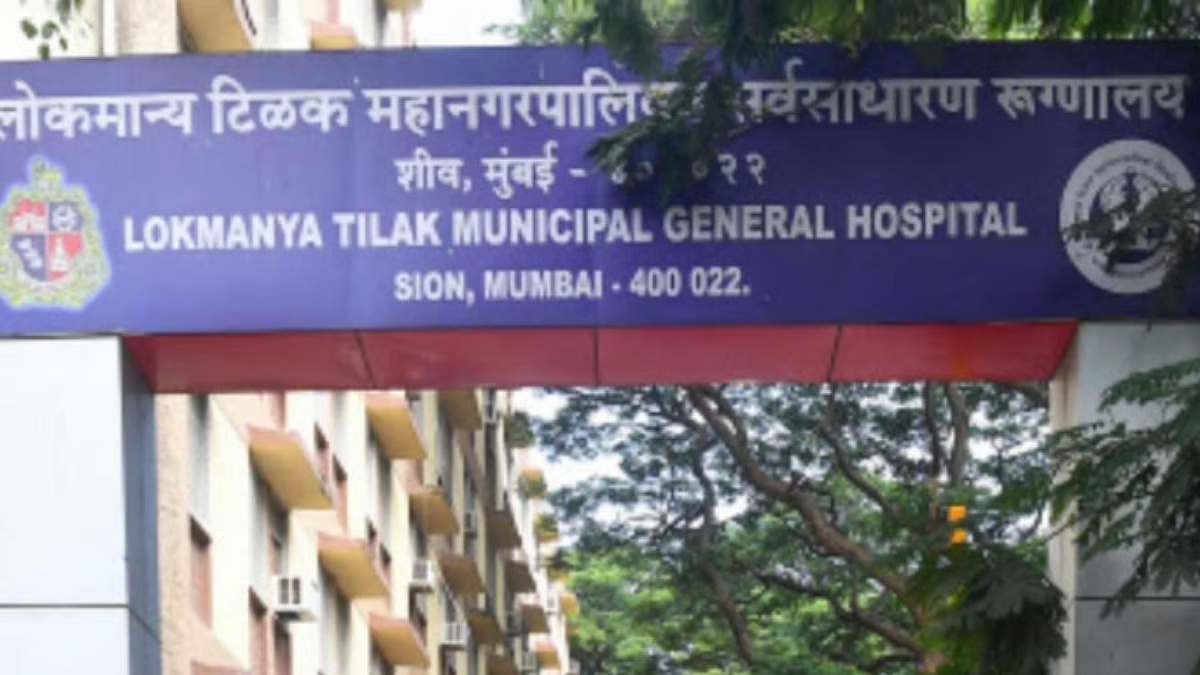
Mumbai’s civic-run Sion Hospital is set to outsource the preparation of rotis served to inpatients as part of a wider effort to improve the reliability and nutritional consistency of meals offered in public health facilities. The decision follows the issuance of a tender for daily roti supply covering roughly 1,300 patients, marking a shift from in-house preparation to a more tightly monitored external process. The civic body expects to spend a fixed per-patient amount over the 120-day contract period, drawing attention to the growing focus on quality control in essential services.
The tender sets detailed preparation standards in an attempt to ensure uniformity across batches and minimise the risk of contamination. Rotis must be prepared exclusively with wheat flour used in government and civic hospitals and must fall within a specified weight and texture range. Only branded refined groundnut oil or rice bran oil may be used, signalling an effort to align patient diets with broader goals around safe, regulated ingredients in public food systems. Delivery timelines are equally exacting. The contractor must supply fresh rotis twice daily in a narrow window, including weekends and public holidays, without interruption. A hospital dietician will verify every batch, ensuring that the daily supply matches the nutritional charts created for each ward. Officials said this level of monitoring aims to strengthen accountability while freeing hospital staff from labour-intensive kitchen work so they can refocus on patient care.
In line with the civic body’s broader governance reforms, the contractor will be required to secure a health licence within three months of receiving the order. Hospital teams will carry out routine inspections of both final output and raw materials. Industry observers note that such checks are increasingly becoming standard across public institutions as cities adopt more structured food safety frameworks centred on equity, hygiene and responsible provisioning. The enforcement mechanism has been designed to deter any lapses. Late deliveries will be rejected and attract a penalty calculated per roti, regardless of quantity. Substandard preparation will require immediate correction. If the contractor fails to rectify issues, the hospital may procure rotis from the open market and recover the excess cost from the contractor’s dues. This system, officials said, is intended to maintain uninterrupted service while ensuring that the financial burden of non-compliance rests with the supplier rather than the public exchequer.
For a city where public hospitals serve as critical safety nets, especially for low-income households, dependable food provision remains central to equitable healthcare. By investing in highly structured tenders and measurable quality standards, Mumbai’s civic administration is attempting to create a more resilient, transparent and patient-centred food system across its healthcare network. Such reforms, if scaled across facilities, could contribute to a more inclusive and dignified care environment, echoing larger efforts to build sustainable and people-focused urban institutions.
Mumbai Sion Hospital Begins Tendered Roti Supply For Patients With Strict BMC Rules