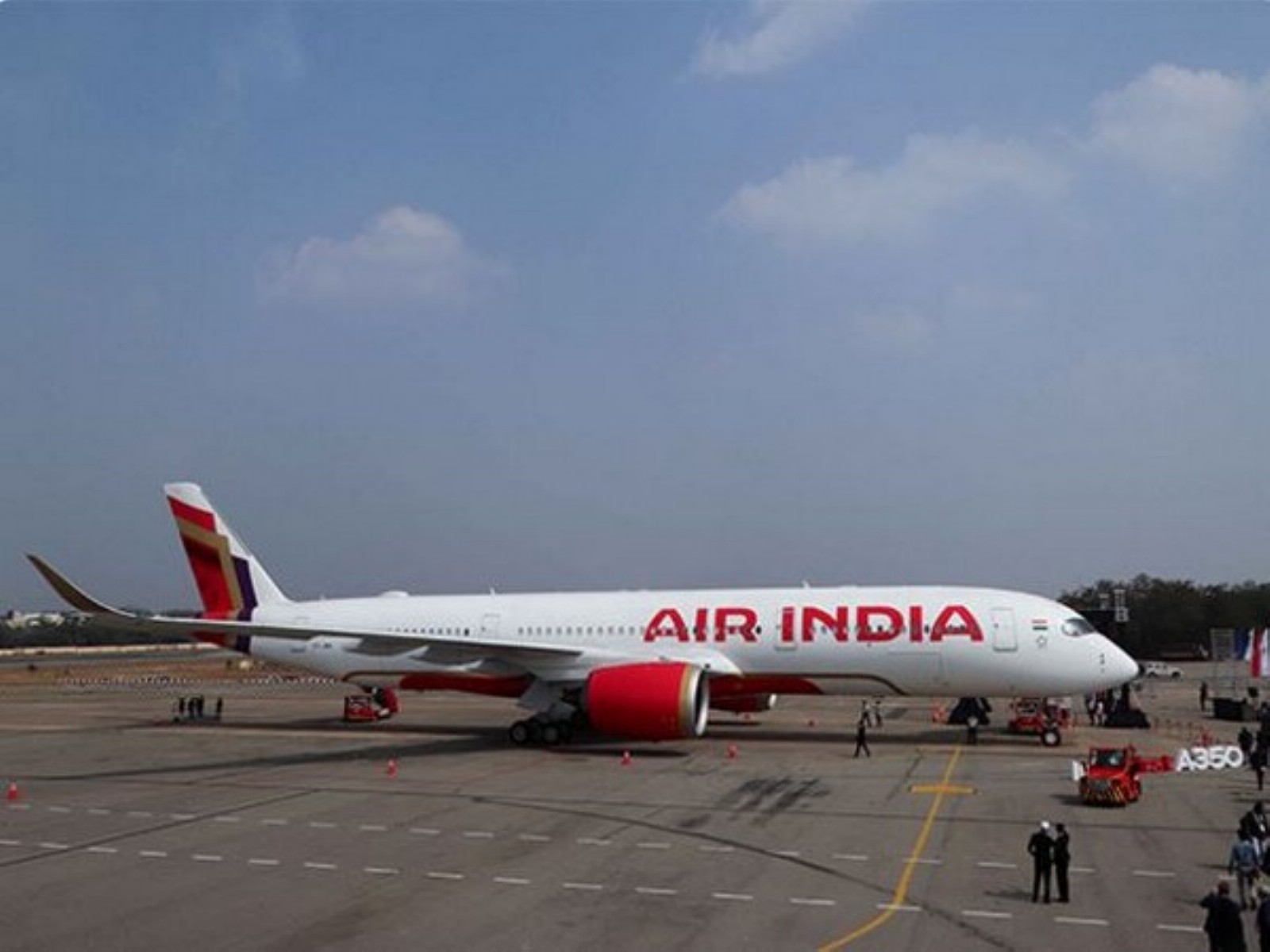
India’s aviation network faced significant disruption over the weekend as Air India temporarily suspended several international and domestic services following volcanic activity in Ethiopia. The airline confirmed that aircraft operating near the Hayli Gubbi eruption zone were subjected to mandatory safety checks, prompting cancellations across key long-haul and metro routes. The move, officials said, reflects the industry’s wider emphasis on risk-mitigation and passenger safety in an increasingly unpredictable climate environment.
A senior airline official stated that the decision was taken in accordance with global aviation guidelines, which classify volcanic ash as a high-risk hazard due to its potential to damage engines and onboard systems. Even minimal ash exposure can compromise air filters, avionics and turbine components, making post-flight inspections essential. The official added that today’s aviation landscape increasingly must account for climate-linked disruptions, including extreme weather, rising temperatures and geophysical instability. The cancellations affected services scheduled for 24 and 25 November, including long-haul flights from Newark and New York to Delhi, regional flights linking Dubai, Doha, Dammam, Chennai and Hyderabad, as well as several domestic connections operated from Mumbai. Ground teams were deployed across major airports to support stranded passengers, providing real-time updates, hotel accommodation where needed and alternative travel arrangements. A customer service manager noted that the scale of disruption required “city-level coordination” across multiple airport partners to ensure that vulnerable passengers, including elderly travellers and families, were prioritised.
Industry experts observed that such disruptions highlight the growing need for resilient aviation systems that can absorb shocks without compromising passenger experience. They stressed that urban regions closely integrated with major airports, such as Mumbai, Delhi and Hyderabad, must increasingly invest in adaptive mobility planning, seamless inter-modal transport links and emergency-ready infrastructure. These steps, they argue, are essential for building equitable and sustainable metropolitan regions capable of withstanding global environmental volatility. While travellers expressed concern over last-minute changes, many acknowledged the airline’s transparent communication and safety-first approach. Social media posts described staff facilitating meals, stay arrangements and rebookings, offering relief amid an otherwise unexpected halt. Aviation observers noted that the incident underscores the value of passenger-centric operations and the importance of accessible, real-time travel information.
Air India reiterated its regret for the inconvenience caused and confirmed that normal operations would resume once all aircraft complete mandatory inspections. The airline emphasised that safety remains its core priority and that the temporary disruption was unavoidable given the unpredictable nature of volcanic ash dispersion. As global aviation contends with the dual pressures of climate risks and operational complexity, the incident serves as a reminder of the sector’s need for long-term resilience strategies built on sustainability, preparedness and equitable passenger protection.
Mumbai Passengers Affected As Air India Cancels Flights Due To Ethiopia Eruption