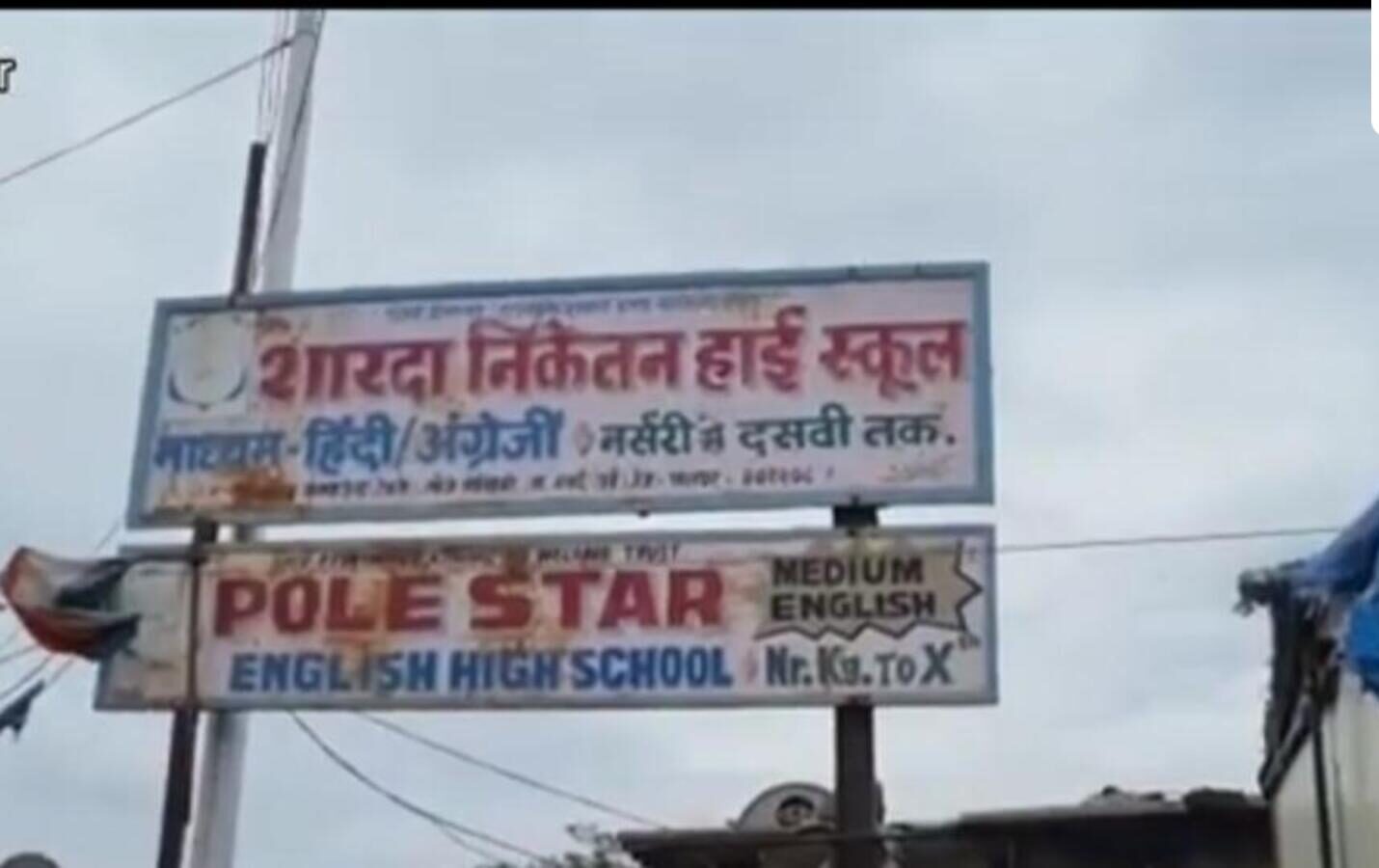
Vasai–Virar’s rapid expansion has brought an unexpected crisis to the fore, with a recent student death prompting renewed scrutiny of unauthorised schools across the region. A state education department survey shows that nearly one in ten illegal schools in the Mumbai Metropolitan Region (MMR) operate here, underlining a systemic challenge that disproportionately affects low-income families seeking accessible education.
Officials confirmed that 97 schools in Vasai–Virar were flagged as illegal this year, representing 31% of all schools in the region. The scale of the issue reflects not only administrative lapses but also the pressures of urbanisation, particularly in settlements where formal infrastructure has not kept pace with population growth. Education observers note that many unauthorised institutions function without affiliation to any recognised board, often in makeshift or unsafe buildings. An official said that the department has now instructed all legitimate schools to publicly display approval certificates, acknowledging gaps in monitoring and enforcement.
The recent case that triggered public debate involved a school where authorities had previously issued a notice declaring the premises illegal. Investigations revealed the notice had been covered with signage, highlighting the ease with which norms can be circumvented in densely populated informal neighbourhoods. A significant concentration of illegal schools—66 out of 97—was found in Pelhar, a peri-urban locality where new housing clusters on encroached land have attracted families priced out of Mumbai. Residents say that the scarcity of affordable, accessible schooling options pushes parents towards institutions that promise “English-medium education”, even when credentials are dubious. According to local activists, the veneer of English branding remains a compelling but misleading draw for families hoping to secure upward mobility for their children.
Several parents recount experiences where schools abruptly shut down after being declared illegal, setting students back by an entire academic year. According to education experts, operators often start with a few temporary classrooms and gradually expand, sometimes using informal payments to add new divisions. Since they lack permission to run secondary classes, many rely on authorised schools to enrol students for board examinations, creating parallel systems that dilute accountability. Data presented in the state legislature this year shows 1,057 illegal schools across MMR, including 420 in Mumbai. Despite fines mandated under state rules—₹1 lakh plus a daily penalty for continued operations—activists say enforcement remains inconsistent. An urban education specialist noted that most unauthorised schools lack trained teachers and basic safety infrastructure, yet remain functional due to weak oversight and limited alternatives for low-income families.
Officials acknowledge that closures are complex. Before shutting down an illegal school, authorities must ensure every displaced student can be accommodated in nearby government or authorised private institutions—a process that can delay action. As Vasai–Virar continues to grow, planners stress the need for equitable educational infrastructure that keeps pace with urban expansion. Strengthening regulatory systems, expanding safe public schooling, and improving transparency will be critical to building a more inclusive and resilient urban future.
Vasai Virar Records Nine Percent Of Illegal Schools Across The Entire MMR