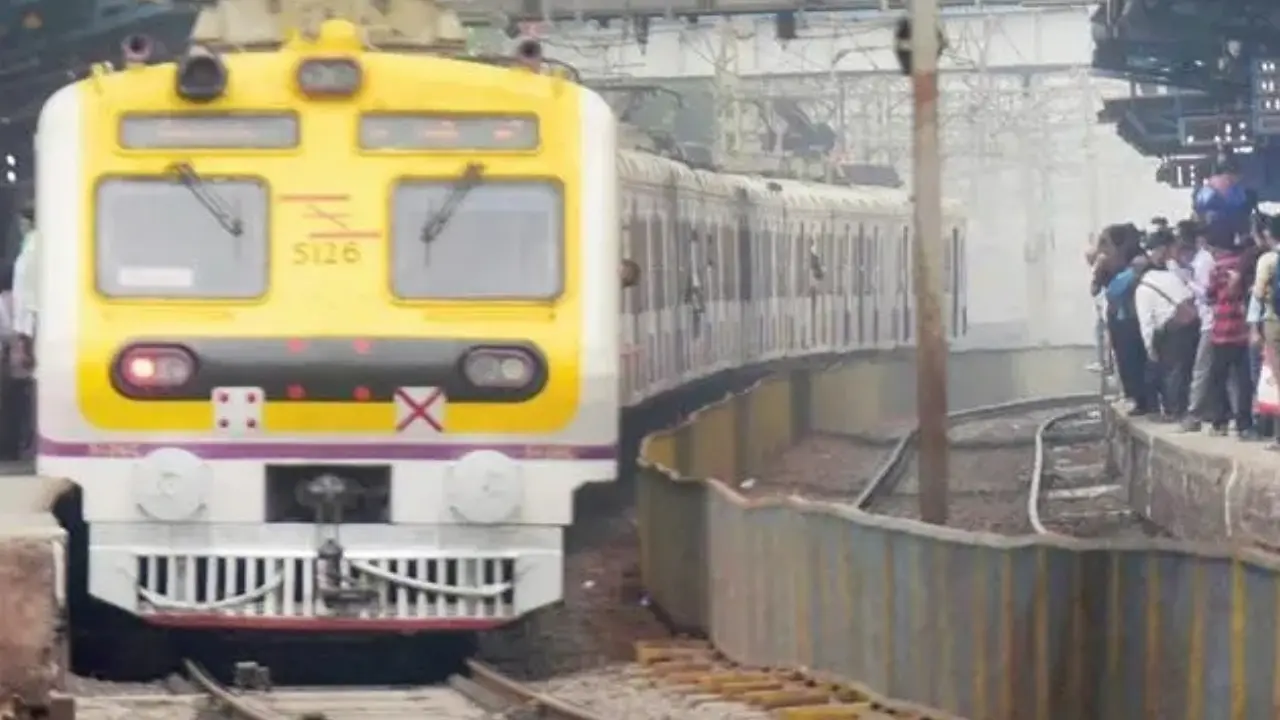
Mumbai is set to introduce special early-morning suburban rail services this weekend to support thousands of participants travelling to the Indian Navy’s annual half marathon in South Mumbai. The additional trains, arranged jointly by Western Railway and Central Railway, aim to ensure smooth access to the venue during hours when regular services are limited. With nearly 20,000 runners expected, the initiative demonstrates the city’s growing emphasis on coordinated mobility planning for large public events.
The marathon, part of the Navy Day celebrations, features three race categories and is scheduled to start before dawn. Authorities noted that the event attracts a diverse mix of recreational runners, defence personnel, and citizens participating for the first time. To accommodate such early travel, Western Railway will operate a special slow local from Virar to Churchgate departing at 2:30am and arriving at 4:12am. According to railway officials, the service is intended to bridge the gap in frequency and allow participants from distant suburbs to reach the starting point without logistical hurdles.
Central Railway will run two additional services to Chhatrapati Shivaji Maharaj Terminus. One train from Kalyan will depart at 2:30am and reach by 4:00am, while another from Panvel will leave at 2:40am and arrive at the same time. Both will halt at all stations en route, a step officials say is crucial for ensuring equitable access for runners across the metropolitan region.The races the 21-kilometre Aircraft Carrier Run, 10-kilometre Destroyer Run and 5-kilometre Frigate Run will pass through prominent heritage zones before converging at Cross Maidan. Urban planners point out that such events offer a rare opportunity to celebrate pedestrian-friendly streets in a city otherwise dominated by motorised traffic. They added that the coordinated public transport plan reflects Mumbai’s shift towards prioritising sustainable mobility solutions for high-footfall events.
Traffic officials anticipate morning diversions in parts of South Mumbai where the race routes overlap with major road corridors. Measures include temporary redirections, additional public transport options, and increased ground staff to guide commuters. These arrangements are expected to stay in place until after the prize ceremony at 8:15am, following which normal traffic conditions should resume.Experts say the city’s approach indicates a growing recognition of the need for integrated event logistics that minimise disruption while promoting community participation. By leaning on its suburban rail network the lifeline of the city—Mumbai is demonstrating how existing infrastructure can be optimised to support inclusive, low-carbon mobility during mass gatherings.
Urban mobility researchers believe such initiatives also highlight the importance of active movement in city life. Encouraging walking, running, and public transport use, especially during major events, aligns with broader goals of reducing emissions, improving public health, and reclaiming streets for citizens. As the marathon continues to expand, planners see scope for more structured collaboration between transport agencies, civic authorities, and event organisers to ensure equitable access and a positive experience for all participants.
Mumbai Launches Special Early Morning Trains To Support Indian Navy Half Marathon