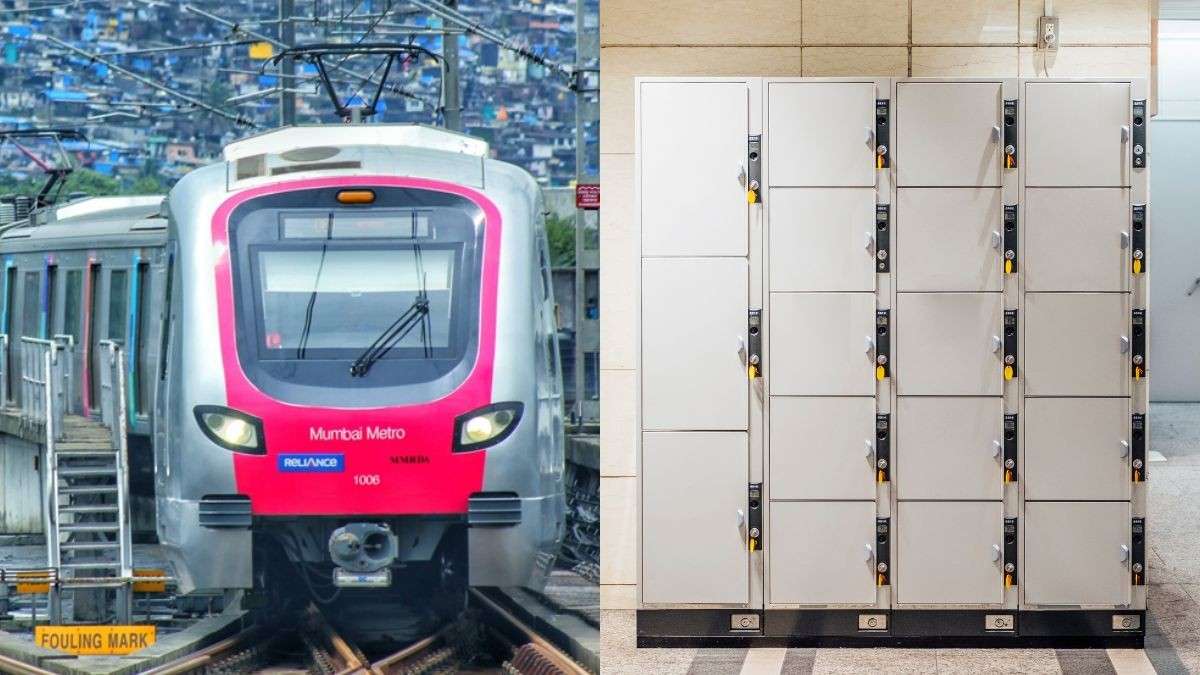
Mumbai’s rapid transit ecosystem has taken a significant step towards modern, commuter-centred mobility with the rollout of a digital smart-locker network across 12 stations on Metro Line 1. The system, deployed in partnership between a fintech operator and the metro concessionaire, introduces nearly 1,000 app-enabled lockers aimed at easing daily travel, improving last-mile logistics, and supporting a more efficient, lower-carbon urban mobility framework.
The new installation marks one of the most extensive locker deployments in any Indian metro system. Officials involved with the initiative explained that the system is designed to help commuters travel lighter, collect parcels at their convenience, and reduce dependency on door-to-door delivery vehicles. The fintech operator behind the rollout has previously implemented similar technology in Delhi’s metro network and is now expanding its infrastructure in Mumbai as part of a broader plan to integrate payment systems, data analytics and urban logistics into public-transport operations. Each smart locker is accessible through an app, SMS link or QR-based authentication, providing commuters with a secure, contact-free storage option. Two locker sizes are available to accommodate parcels, groceries and personal items, with pricing set at an hourly rate to encourage short-term usage. According to metro officials, the lockers are housed within monitored areas of stations and equipped with surveillance and OTP-based systems to ensure user safety.
Industry observers note that the service could reshape how delivery logistics operate in dense urban corridors. By consolidating e-commerce and courier drop-offs at transit nodes, cities can potentially reduce the number of last-mile delivery vehicles on the road—an outcome aligned with Mumbai’s ongoing climate-resilience and congestion-reduction goals. The model also enhances middle-mile logistics, allowing delivery partners to streamline routing by concentrating pick-up and drop-off points at high-footfall stations. Metro representatives said that the service not only improves convenience but also builds on the goal of making public transport more attractive to daily users. For a network that ferries lakhs of passengers, integrating modern amenities such as smart lockers signals a gradual shift towards multimodal, tech-enabled systems that prioritise commuter comfort and digital connectivity.
Urban mobility experts believe the initiative has the potential to advance more sustainable travel habits. With growing interest in low-carbon freight movement, station-based locker hubs could offer viable alternatives to traditional home-delivery models, particularly in high-density neighbourhoods where traffic, pollution and limited parking pose recurring challenges. Officials also indicated that discussions are underway with major e-commerce platforms to deepen the integration of logistics services. The long-term ambition, they said, is to scale the model across other Indian transit systems and potentially explore international markets for similar deployments.
As Indian cities continue to transform into more connected, inclusive and climate-aware urban spaces, the arrival of smart lockers within Mumbai’s metro system represents a practical step towards reimagining how commuters interact with both mobility and everyday services.
Mumbai Metro One And Autope Launch Smart Lockers Across Twelve Key Stations