


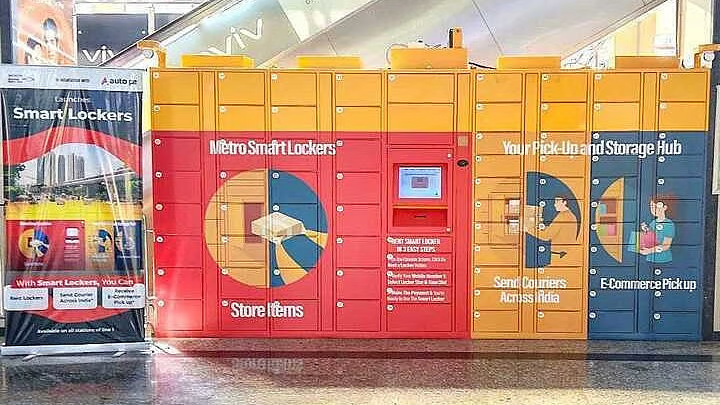
Mumbai’s first metro corridor has introduced a large-scale smart locker system across its stations, positioning the network as an early adopter of commuter-centric digital infrastructure. The initiative, implemented across 12 stations on Metro Line 1, has installed nearly 1,000 digital lockers to support secure short-term storage, e-commerce logistics and last-mile services for an estimated five lakh daily users. The move signals a broader shift towards technology-enabled mobility solutions in congested urban areas.
According to officials associated with the project, the rollout responds to a steady rise in passenger demand for secure storage while travelling between work, commercial hubs and recreational spaces. Many commuters, they noted, prefer to leave laptops, bags or work material in a secure facility when heading to meetings, restaurants or public events. The new system, they said, aims to reduce the everyday friction faced by those navigating the city with belongings that cannot be carried into certain venues. The lockers can be accessed through an app, SMS service or QR code, and are available in two sizes. The smaller unit is suited for lightweight personal items, while the midsized format accommodates heavier belongings. Both are priced for short-term use, and each locker operates on an OTP-based access mechanism supported by CCTV monitoring. Representatives from the technology operator said the system is intended to grow into a comprehensive service platform that supports parcel collection, courier dispatches and e-commerce pickups, improving convenience for consumers and reducing the need for multiple delivery trips across the city.
Industry experts note that such digital locker networks can contribute to more sustainable urban logistics. By centralising delivery points within mass transit systems, cities can reduce repeated courier movements, lower emissions associated with mid-mile logistics and encourage more efficient mobility behaviour. For gig workers and micro-enterprises, the lockers may eventually serve as accessible dispatch hubs, especially in dense neighbourhoods where storage space is limited. Officials said the initiative aligns with the metro operator’s long-term strategy to build a more modern, tech-enabled travel environment. They described the lockers as a “future-ready” element of the mobility ecosystem, designed to offer practical value while also setting the groundwork for integrated services across other metro corridors. The operator of the locker platform currently manages similar deployments in the Delhi Metro, which has supported the model’s scalability.
Urban planners argue that such interventions can support the vision of more inclusive and low-carbon cities. By offering secure, shared-use infrastructure within public transport systems, the model strengthens multimodal travel, reduces dependency on private vehicles and enhances social accessibility. As Mumbai expands its metro footprint, the locker system’s performance on Line 1 is expected to shape future decisions on city-wide digital mobility services.
Also Read : BMC Launches Rs 2.16-Crore Plan To Renovate And Beautify Shivaji Maharaj Park
