


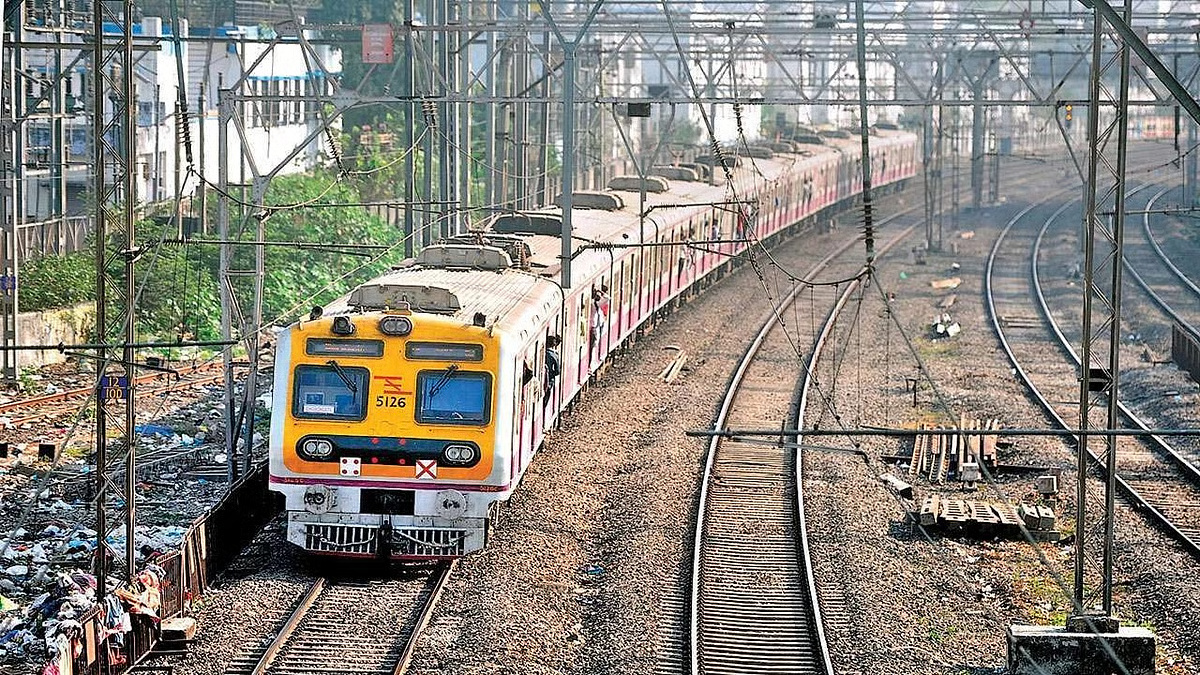
Mumbai’s suburban railway network faced another operational setback on Wednesday afternoon after a technical fault on the Harbour line disrupted services near Wadala, briefly slowing peak intercity travel across the metropolitan region. The issue, reported shortly after 2 pm, was resolved within 30 minutes, yet the temporary suspension triggered train bunching and added strain to an already overburdened transport system that millions depend on every day.
According to railway officials, the disruption originated from a point failure on the down line. Maintenance teams were deployed immediately and restored operations by 2:35 pm. Commuters, however, experienced delays as services stabilised, prompting many to switch to road-based transport such as buses, app-based cabs, and shared autos. The incident illustrates how even short interruptions on Mumbai’s rail corridors can ripple quickly across mobility patterns in the Mumbai Metropolitan Region (MMR), where suburban trains carry more than seven million passengers daily. Transport observers note that the Harbour line has reported multiple issues over the past month, raising concerns about ageing assets, overstretched infrastructure, and climate-related stress on suburban systems. An industry expert said the network requires “consistent modernisation, predictive maintenance, and resilience planning”, especially as Mumbai transitions toward a sustainable, integrated mobility ecosystem.
This latest disruption follows a series of operational incidents that have tested commuter patience. Just a day earlier, a track defect between Vikhroli and Kanjurmarg slowed down Central line services during the morning rush, affecting office-goers, schoolchildren, and small business operators. Earlier in the month, a leak in a petroleum pipeline between JNPT and IOTL forced temporary restrictions on services between Khar Kopar and Uran, highlighting the interconnected nature of industrial infrastructure and public transport. There have also been human-induced interruptions. A recent staff agitation at CSMT halted services for an hour when workers blocked a motorman’s cabin, while a separate signal failure between Nerul and Vangani affected schedules across the extended suburban system. Even modern fleet additions are not immune: an AC local experienced technical difficulties near Ambernath on 28 October, adding another layer to service unreliability.
Urban planners argue that Mumbai’s long-term transport vision must prioritise sustainable and inclusive mobility, which includes upgrading signalling systems, expanding multimodal integration, and designing infrastructure capable of withstanding operational and climate pressures. As the city moves towards low-carbon mobility, ensuring train reliability becomes central to reducing dependence on private vehicles and curbing emissions. While Wednesday’s fault was resolved swiftly, commuter groups say frequent disruptions point to the need for systemic, not reactive, solutions. Strengthening suburban rail resilience will remain critical for maintaining economic productivity, supporting equitable travel, and aligning the MMR with national goals for sustainable urban development.
Also Read: Mumbai Launches First Direct Uran Bus Service Linking City With Navi Mumbai
