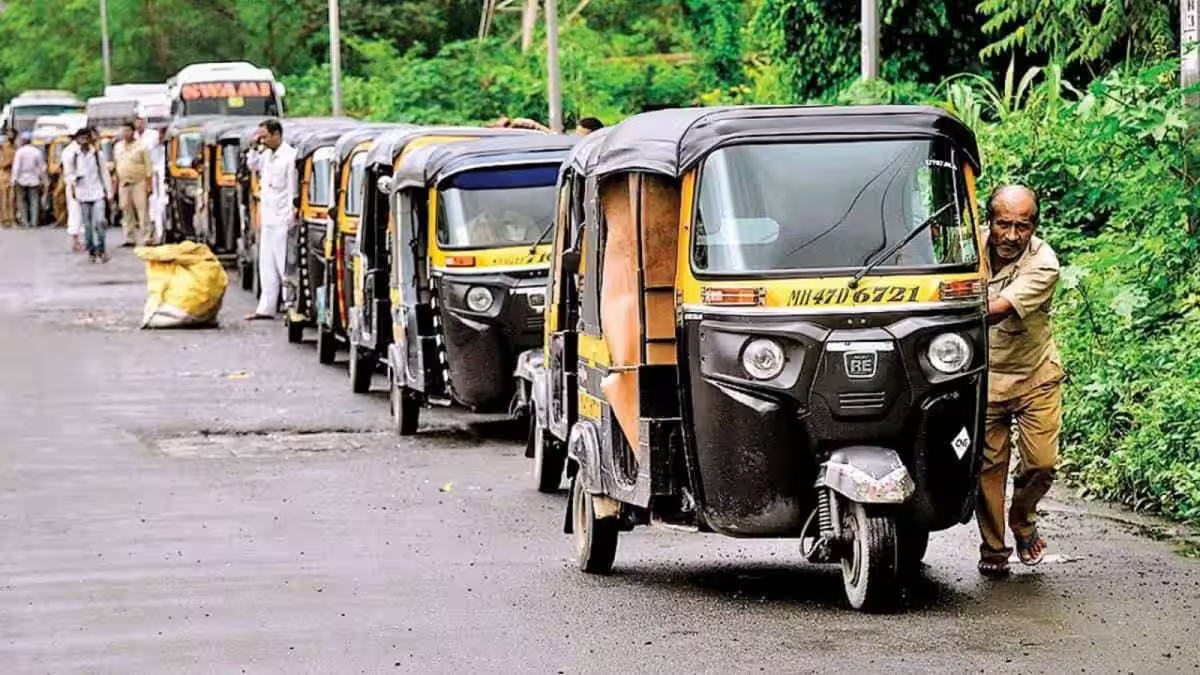
Mumbai’s compressed natural gas (CNG) supply was restored on Tuesday evening, bringing an end to a two-day disruption that had paralysed public transport across the metropolitan region. The outage, triggered by damage to a key transmission pipeline, left thousands of auto-rickshaws, taxis and commercial vehicles off the roads, underlining the fragility of essential urban utilities and their direct impact on mobility and livelihoods.
The interruption originated on Sunday afternoon after external work caused damage to a trunk pipeline located within an industrial compound in the eastern suburbs. The rupture immediately halted supply to the main city gate station, creating a cascading effect across the distribution network in Mumbai, Thane and Navi Mumbai. Officials confirmed that the resumption of supply followed round-the-clock repair work and safety assessments by the operator. The shortage was felt most visibly on Monday and Tuesday morning, when long queues formed outside the few operational stations. Commuters faced extended travel times as nearly 70 per cent of CNG vehicles were forced to withdraw from service. Residents reported difficulty finding autos and taxis, with many turning to carpooling, bike-sharing or walking to reach workplaces and schools. For a city that relies heavily on intermediate public transport, the disruption highlighted concerns around reliability and resilience of fuel infrastructure.
Drivers described the situation as unprecedented. Several said they waited three to four hours to refuel, compared with the usual 15-minute turnaround. Many black-and-yellow taxis, which operate solely on CNG after removing petrol systems to manage costs, were unable to run at all. Auto-rickshaw unions reported revenue losses for daily-wage drivers, raising the need for more diversified and flexible fuel options within the sector. The scarcity also led to a spike in fares. Some drivers, struggling to cover operational losses during the outage, charged two to three times the usual rates. App-based operators surged prices as vehicle availability plummeted. Commuters expressed frustration at the inflated charges, noting the absence of alternatives during peak hours. Transport analysts observed that such volatility reinforces the importance of transitioning towards clean, diversified energy systems that can withstand shock events.
Urban planners argue that Mumbai’s experience serves as a reminder that sustainable mobility is not only about shifting to lower-emission fuels but also strengthening infrastructure governance. Single-source dependencies, they noted, can create vulnerabilities, especially when millions rely on a single fuel ecosystem. A senior official involved in mobility planning said the episode should accelerate conversations around electric vehicle infrastructure, distributed renewable energy and resilient last-mile systems—key pillars for reducing emissions and ensuring uninterrupted urban movement. With supply now restored, the focus shifts to preventing future disruptions through better coordination, safer construction practices and stronger monitoring of critical pipelines. For a region moving towards cleaner mobility pathways, ensuring stability of its existing fuel networks remains essential to building equitable and dependable transport systems.
Mumbai Restores CNG Supply After Two-Day Outage Causes Major Mobility Breakdown