


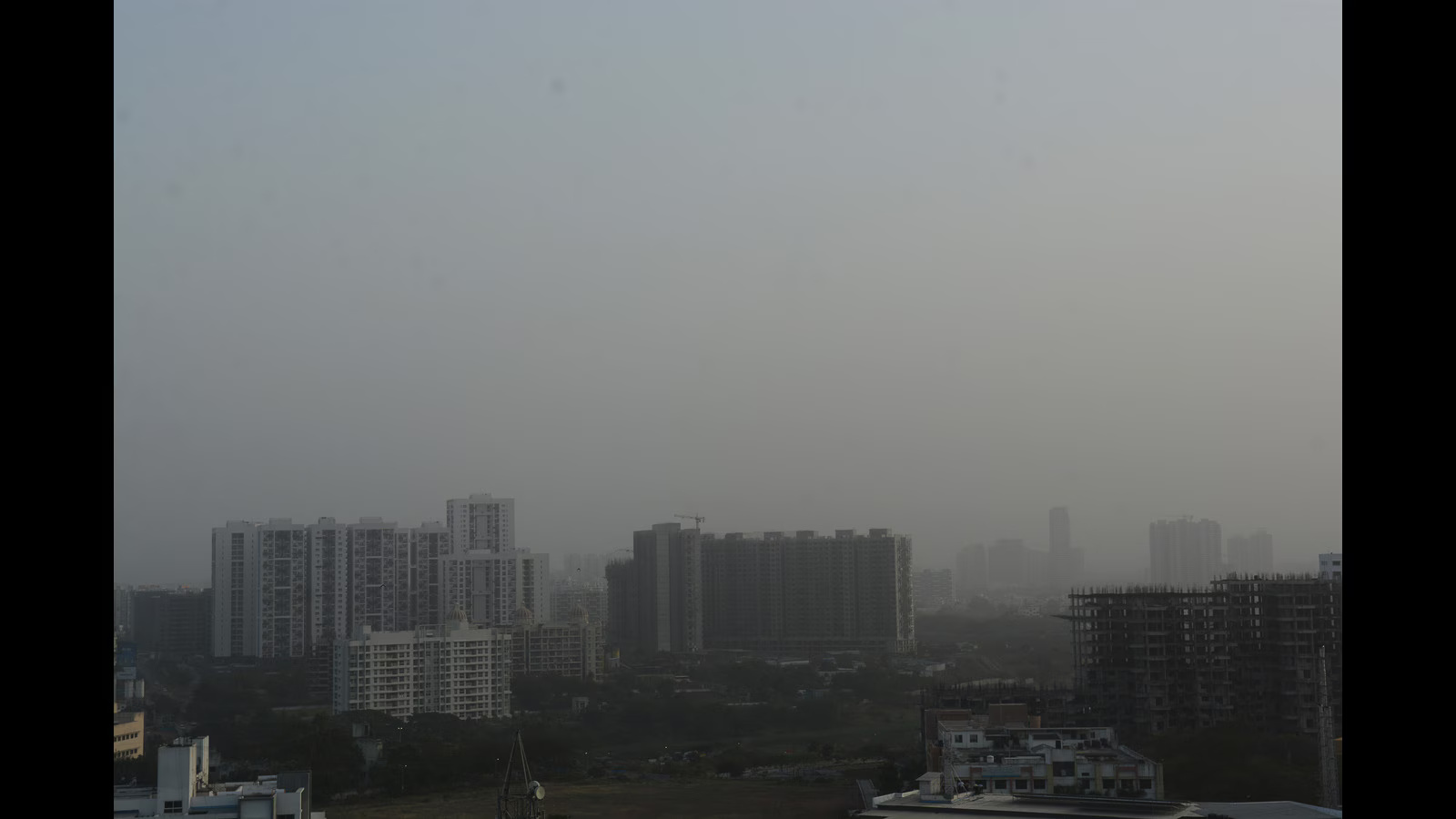
Pune and Pimpri Chinchwad have witnessed a marked deterioration in air quality over the past two weeks, with the Air Quality Index (AQI) dropping from ‘Satisfactory’ to ‘Poor’. Central Pollution Control Board (CPCB) data indicates rising PM10 levels in Pune and PM2.5 spikes in Pimpri Chinchwad, heightening concerns about respiratory health and environmental sustainability in these urban centres.
At the beginning of November, AQI readings across both municipalities were largely within the ‘Good’ to ‘Satisfactory’ range. By mid-month, Pune’s AQI had surged from 56 to 162, while Pimpri Chinchwad’s index climbed from 72 to 221, reflecting a rapid escalation of particulate pollution. Such levels are indicative of prolonged exposure risks for sensitive populations, including children, the elderly, and individuals with pre-existing respiratory conditions. Urban residents and environmental advocates have criticised the slow response of civic authorities. “Despite significant investments, pollution control measures appear ineffective,” said a local MP in a formal communication to municipal authorities. Officials have been urged to enforce stricter compliance with road cleaning schedules, dust mitigation at construction sites, and proper containment of transported materials such as gravel and sand.
Local inhabitants report visible dust accumulation and health impacts. One Punawale resident noted that riding two-wheelers has become hazardous, with asthma patients unable to venture outdoors safely. Environmental groups also stress that the official AQI may underestimate the true exposure, citing inadequate sensor coverage across residential and industrial zones. “Monitoring infrastructure remains insufficient to capture real-time pollution levels, especially in peripheral areas,” said an environmental expert. Authorities have initiated actions targeting ready-mix concrete plants and activated misting systems in key locations. A senior official confirmed that continuous monitoring and mitigation efforts are underway, including enforcement of vehicle emission standards and oversight of unlicensed construction activities.
While immediate interventions aim to stabilise air quality, experts warn that long-term improvements require integrated urban planning, green infrastructure, and stricter industrial compliance. Strategies such as increasing green cover, promoting non-motorised transport, and implementing real-time pollution monitoring systems are critical to achieving healthier, more sustainable urban environments. Urban residents are advised to follow preventive measures, including the use of masks, indoor air purifiers, and limiting outdoor activity during high-pollution periods. Strengthening public awareness and proactive civic engagement will be key to managing air quality risks in Pune and Pimpri Chinchwad.
Also Read : PMC Fixes 900 Potholes In Pune Activists Demand Independent Quality Audit Immediately
