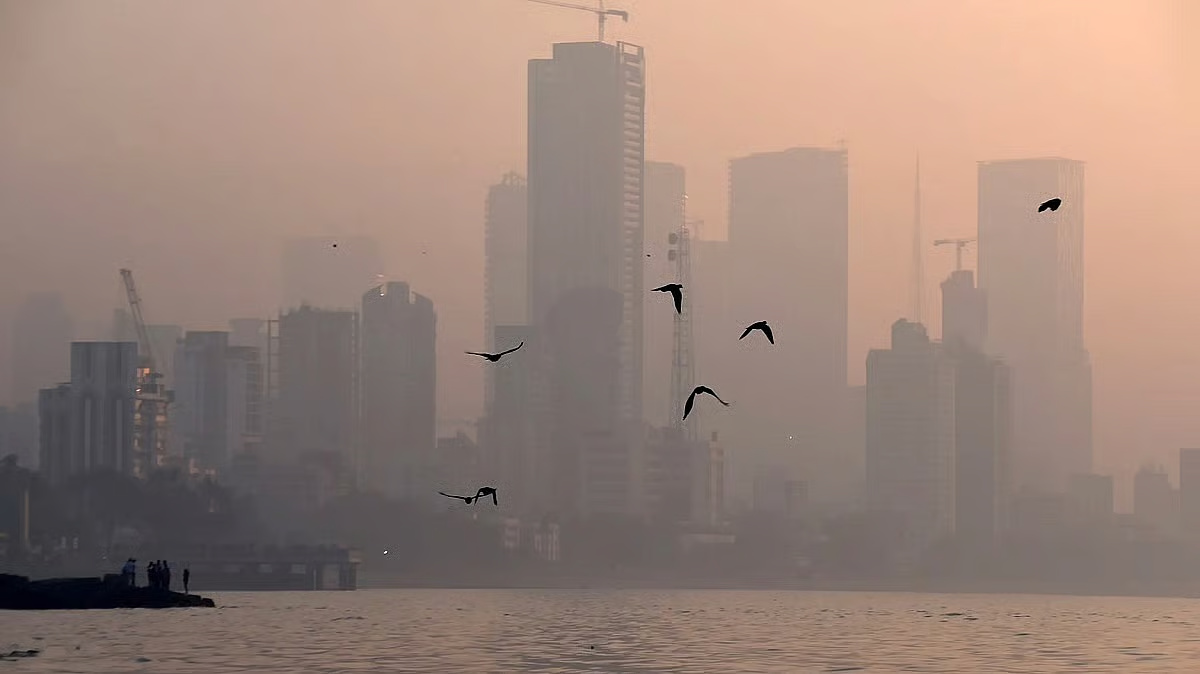
Mumbai woke up to a bright and pleasant Monday morning, with clear skies and mild winter-like conditions offering residents a brief respite from the city’s typically humid and warm climate. Temperatures in the early hours dipped close to 16°C, bringing a cool, refreshing start to the day. However, despite the sunny outlook, the city’s air quality remained a concern, with the overall Air Quality Index (AQI) recorded at 251, categorised as unhealthy.
According to the India Meteorological Department (IMD), maximum temperatures are expected to reach 31°C, while gentle breezes will persist through the day. Visibility in the early hours, however, remained low in several areas due to lingering haze and smog. The transient improvement in air quality, observed briefly after recent rainfall, has now receded, as pollutants accumulate once again over the metropolitan region. “Even after intermittent rains, particulate matter is rising quickly, indicating persistent sources of urban pollution,” an environmental expert noted. Key industrial, transport, and densely populated zones are contributing to the city’s deteriorating air quality, reflecting broader challenges in urban emissions management.
Among the worst affected locations were the Wadala Truck Terminal (AQI 365), Malad (318), and Colaba (311), all categorised under the severe pollution bracket. Other central areas, including Worli (308) and Mazgaon (305), also reflected hazardous air levels. Suburban readings were slightly better but remained in the poor range, with locations like Kandivali East (137), Mankhurd (153), Powai (183), and Santacruz East (187) exceeding safe limits for daily exposure. The rise in AQI poses health risks for vulnerable populations, particularly children, the elderly, and individuals with respiratory conditions. Industry observers stress the need for stricter emissions controls, expansion of green urban buffers, and better management of vehicular and industrial pollutants to mitigate public health impacts.
Urban planners also note that while sunny, mild weather encourages outdoor activity, residents must remain cautious of prolonged exposure to polluted air. “This situation underlines the urgent need for integrated urban environmental planning that combines climate resilience with pollution control measures,” a senior urban development official said. Mumbai’s morning may have been visually clear and seasonally refreshing, but the underlying air quality challenges serve as a reminder of the city’s ongoing struggle to balance rapid urbanisation with sustainable, health-conscious development. For citizens, the immediate recommendation is to monitor local AQI updates, minimise outdoor exposure during peak pollution hours, and advocate for systemic measures to reduce emissions.
Mumbai Skies Clear Monday But Air Quality Continues Unhealthy At 251 Wadala