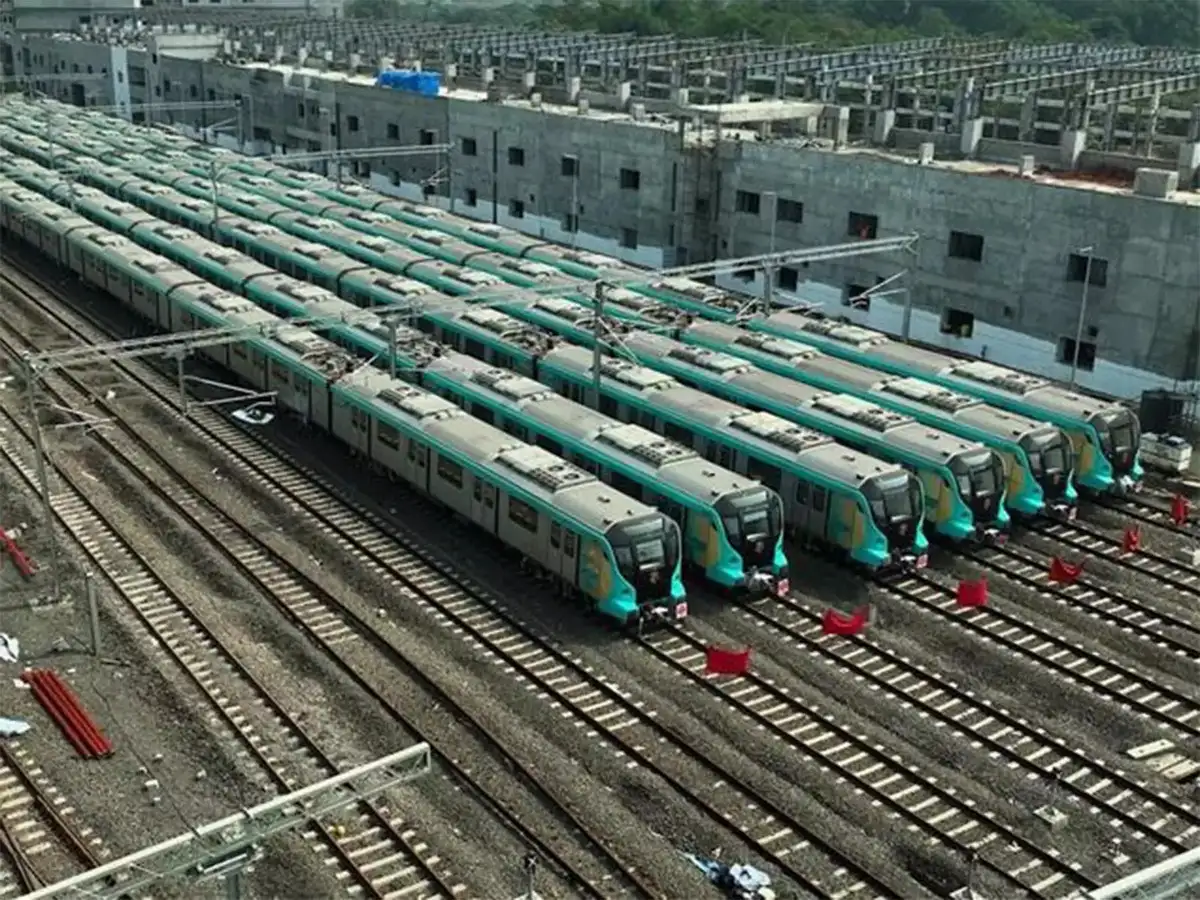
Mumbai is preparing to significantly strengthen pedestrian connectivity along the Aqua Line corridor, with the Mumbai Metro Rail Corporation Ltd (MMRCL) planning two new underground subways linking major mobility hubs and emerging development zones. The initiative is being positioned as a step towards safer, low-carbon access for commuters navigating dense neighbourhoods and high-traffic urban districts.
According to officials involved in the planning process, MMRCL intends to appoint a technical consultant to prepare the detailed project report for the new links, each designed to improve first- and last-mile movement around the fully underground Metro Line 3. The agency is also expected to oversee construction management once the proposal is cleared. Officials noted that the plan supports broader efforts to integrate metro systems with upcoming transport infrastructure, including the high-speed rail network. The first pedestrian corridor, proposed at Worli, will extend roughly 1.6 kilometres from the Worli Science Centre station. It will provide direct access to the Mahalaxmi racecourse, the new Coastal Road promenade, and a planned commercial precinct on the former Worli Dairy site. Urban planners say the link is expected to reduce surface-level road pressure around these high-density zones, improving walkability and lowering local emissions by encouraging commuters to shift from private vehicles to mass transit.
The second subway, measuring around 1.4 kilometres, will connect the Bandra-Kurla Complex (BKC) station to the forthcoming bullet train terminal. Officials highlight that this link is critical for ensuring smooth interchange between metro services and the future high-speed rail system. With BKC evolving into a transport and business hub, integrating these networks is being viewed as essential for long-term mobility efficiency. Parallel to these mobility upgrades, the state urban development department is expected to revise the Development Control and Promotion Regulations to convert the Worli Dairy plot reservation into a commercial zone. The Mumbai Metropolitan Region Development Authority (MMRDA), recently appointed as the planning body for the site, is expected to anchor future development in line with emerging employment and transit demands.
While construction costs for the two subways are yet to be finalised, officials stated that the focus will remain on ensuring safe, accessible, and inclusive pathways. Urban mobility experts note that well-designed pedestrian infrastructure is integral to building equitable cities, particularly as Mumbai expands its high-capacity transit networks. They emphasise that climate-resilient, walkable corridors not only support sustainable commuting but also contribute to creating gender-sensitive and universally accessible public spaces. As Mumbai pushes forward with its metro expansion and multimodal integration, such pedestrian projects are increasingly seen as foundational for shaping a low-carbon, commuter-friendly transport ecosystem. The final project report, expected after the appointment of the consultant, will determine timelines, construction methodology, and investment requirements.
Mumbai To Build Two Subways Linking Aqua Line With Racecourse And Bullet Train