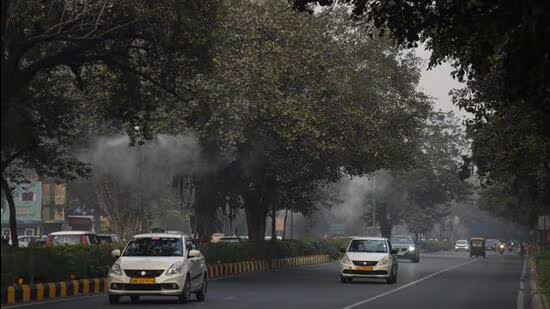
Delhi residents continue to grapple with extreme air pollution as winter sets in, with the city’s Air Quality Index (AQI) remaining in the severe category. The India Meteorological Department (IMD) reports that pollutants are trapped due to adverse weather conditions, offering little respite despite falling temperatures, which have ranged from 10°C in the early morning to 25°C during the day. Hazardous AQI levels, combined with dense fog, are intensifying health risks for vulnerable groups across the national capital.
Experts warn that prolonged exposure to air with AQI over 400 can lead to respiratory distress, eye irritation, headaches, fatigue, and exacerbate heart and lung conditions. Children, the elderly, and those with pre-existing ailments are particularly vulnerable. “Even otherwise healthy residents may experience significant discomfort under these conditions,” said a public health official familiar with the data. The persistence of poor air quality is attributed to multiple factors. High vehicle emissions, ongoing industrial activity, construction dust, and stubble burning in neighbouring states contribute to pollutant accumulation. Unfavourable meteorological conditions, including low wind speeds and temperature inversions, trap particulate matter close to the ground, preventing natural dispersion. These structural and seasonal challenges have made Delhi’s winter pollution an annual public health concern, raising questions about the city’s long-term sustainability strategies.
City authorities continue to monitor conditions and issue health advisories. The IMD forecasts that temperatures will remain low during mornings and nights, accentuating the perception of cold while pollution remains dense. Citizens are advised to limit outdoor activities during peak pollution hours, use masks if necessary, and ensure proper ventilation indoors. “Preventive measures are critical, as prolonged exposure could trigger severe respiratory or cardiovascular events,” noted an environmental health expert. The recurring air quality crisis underscores the need for integrated, long-term urban planning solutions. Industry experts emphasise accelerating the adoption of cleaner fuels, strict enforcement of vehicle emissions norms, green cover expansion, and waste management improvements as crucial steps to mitigate Delhi’s seasonal pollution spikes. Investments in sustainable public transport and promotion of net-zero energy practices in construction could further reduce pollution exposure while fostering equitable urban health outcomes.
As Delhi braces for continued hazardous air quality, authorities, experts, and residents face a collective responsibility to address both immediate risks and systemic causes. While short-term precautions are necessary, building a resilient, sustainable city environment remains the key to protecting citizens from recurring seasonal health hazards.
Delhi Air Quality Remains Severe With Temperatures Dropping This Friday