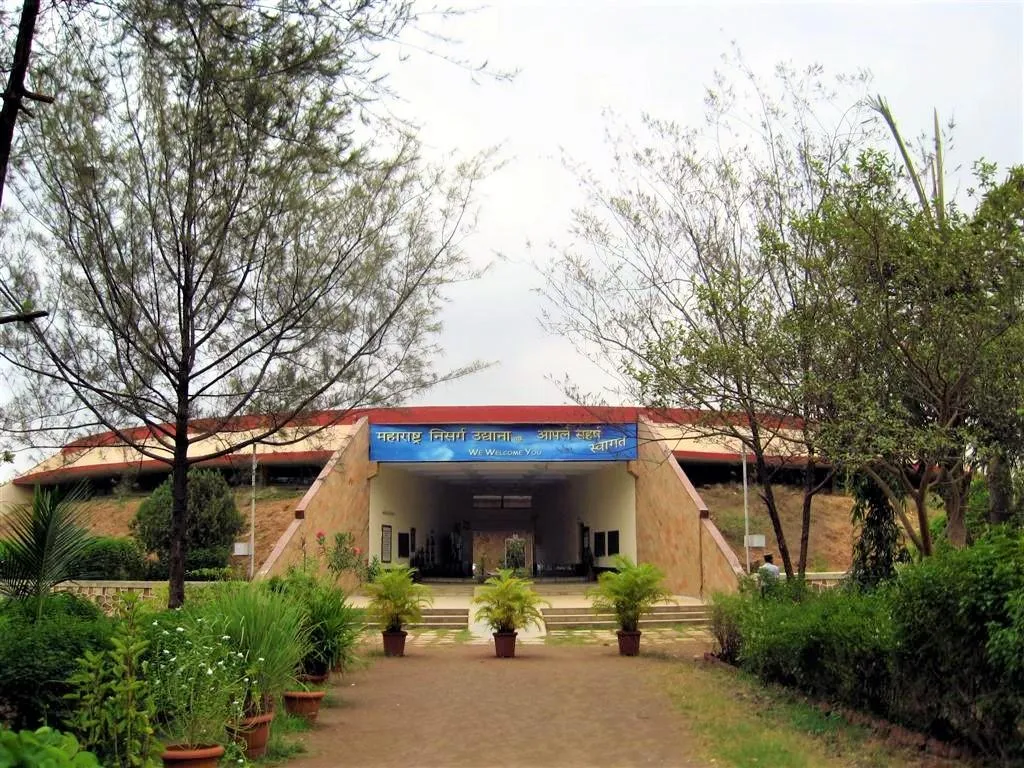
Mumbai Citizens Fear Loss Of Mahim Nature Park To Redevelopment Plans
Mumbai’s Mahim Nature Park, one of the city’s most strategically located urban green zones, has again come under scrutiny as plans to accelerate the Dharavi Redevelopment Project raise concerns about possible encroachment. Environmental groups and urban planners argue that the proposed project footprint could place renewed pressure on the park’s 37 acres, which function as a rare ecological buffer in a rapidly densifying business district.
Located near the Bandra–Kurla Complex (BKC) and bordering the eastern edge of Dharavi, the park occupies land once used as a dumping ground before waste operations were shifted to the city’s outer suburbs. Over four decades, successive waves of conservation volunteers, civic officials and educators have transformed the degraded tract into a thriving urban forest that attracts schoolchildren, researchers and birdwatchers. An environmental educator noted that the park now supports thousands of plant species along with a diverse population of birds, butterflies and smaller fauna, “making it one of the few accessible ecosystems for hands-on learning in the city”. The Mumbai Metropolitan Region Development Authority (MMRDA) manages the park through a state-appointed board.
Urban planners say this governance framework, while well-intentioned, leaves the park vulnerable whenever major infrastructure projects are proposed in surrounding areas. The Dharavi redevelopment, now revived with substantial state-level backing, includes plans to consolidate land parcels and acquire railway property adjoining the broader project area. Officials have signalled that this consolidation is essential to unlocking large-scale rehousing and commercial development. However, environmental advocates argue that the administrative proximity of Mahim Nature Park to the project area increases the likelihood of future land-use negotiations. A civic activist said that developers have long viewed the park’s location—sandwiched between BKC and the Mithi River—as “high-value, high-opportunity land”, especially given the rising commercial demand in the city’s central business districts. Concerns about the park’s vulnerability are not new.
A previous attempt to integrate it into the redevelopment scheme, through a proposal to transfer development rights from the park to other real estate projects, was abandoned following strong resistance from citizens’ groups and political representatives. The current fears stem from the scale of the revived redevelopment and recent state budget allocations intended to accelerate land acquisition. Ecologists warn that reducing the park’s footprint could diminish its ability to act as a cooling zone and natural flood buffer for surrounding neighbourhoods. With the Mithi River on one side and sensitive mangrove belts along the Mahim Creek, the park forms part of a micro-ecosystem that helps stabilise soil, absorb run-off during monsoon peaks, and maintain air quality in one of the city’s most congested corridors. While the government has not issued any formal notification altering the park’s boundaries, environmental groups say they are prepared to pursue legal options if required.
For city planners advocating sustainable growth, the debate underscores a recurring question: how can Mumbai expand equitably while safeguarding the ecological assets that keep the city habitable? The coming months may determine whether Mahim Nature Park continues to serve as a vital green refuge or becomes another bargaining chip in Mumbai’s development rush.