


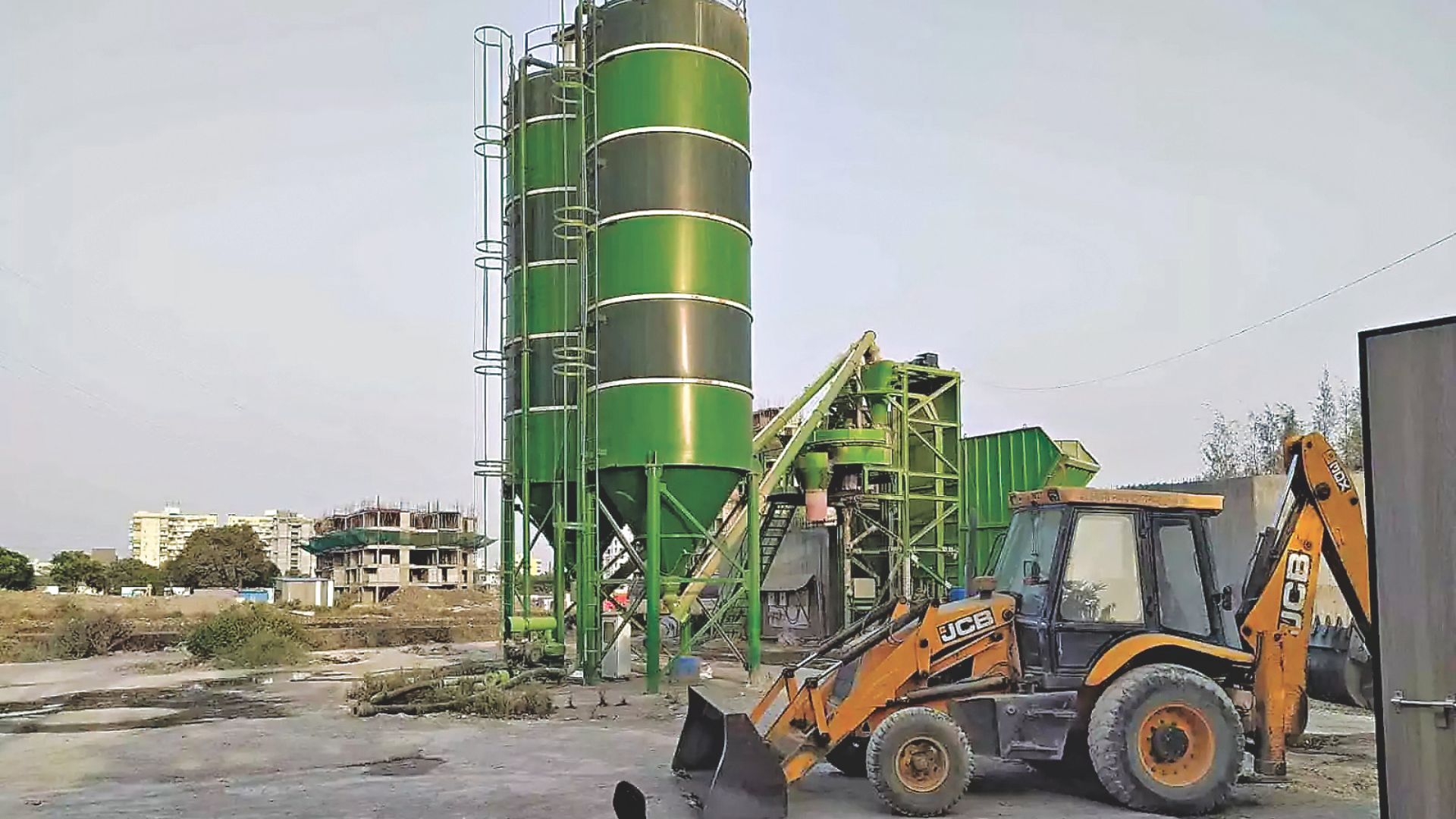
Concerns over ecological degradation and public health have intensified in Pune after residents and environmental groups objected to the placement of a ready-mix concrete (RMC) facility near Pashan Lake, one of the city’s most sensitive biodiversity zones. Locals argue that emissions, particulate matter, and waste from the plant could further compromise the already stressed urban lake ecosystem, which has seen a steady decline in birdlife and water quality over the years.
Residents living in the Pashan, Sutarwadi, and Aundh-Baner belt say the proposed facility sits dangerously close to dense neighbourhoods and an active bird habitat. According to community members, cement dust and construction debris pose a significant threat to both human health and the lake’s ecological balance. An environmental advocate said the release of airborne particles could aggravate respiratory illnesses and diminish liveability for thousands of households situated downwind. Pashan Lake, constructed over a century ago as part of the Ramnadi ecosystem, historically supported a thriving bird population. However, rapid urbanisation, stormwater inflow, untreated sewage, and declining natural filtration systems have collectively eroded its ecological resilience. Experts note that the arrival of an RMC plant could accelerate this decline. A local birder pointed out that over 240 bird species, including migratory waterbirds that travel from Europe and Central Asia, rely on the lake during winter months. Increased dust levels and concrete waste infiltration could, they say, impair feeding, nesting, and breeding patterns, and contribute to long-term population decline.
Urban planners emphasise that infrastructure projects near water bodies require strict environmental impact scrutiny. The proximity of the proposed plant to a densely populated residential zone has also raised concerns about noise pollution, which experts say can disrupt both human wellbeing and bird communication patterns. “Noise interferes with mating calls and territorial signals, critical for species survival,” one ecologist explained. Residents have also questioned the approval process behind the plant, asking whether zoning norms, environmental clearances, and buffer-zone regulations were adequately evaluated. An official from the local ward office confirmed that machinery had been placed at the site but stated that, according to the site manager, no construction activity was underway and the land fell under a national highway authority. The official added that enforcement action could only follow confirmation of active work.
The incident has reignited a long-standing debate in Pune about the balance between infrastructure expansion and ecological preservation. With the city’s lakes and green corridors already under pressure due to urban growth, environmental groups argue that development decisions must adopt a more climate-resilient, citizen-centric, and biodiversity-sensitive approach. Community members are urging authorities to undertake a transparent review of the project and prioritise solutions that strengthen the ecological health of Pashan Lake while supporting sustainable urban development.
Also Read : Pune Begins Work After Land Acquisition For Crucial Sutarwadi Missing Link Road
