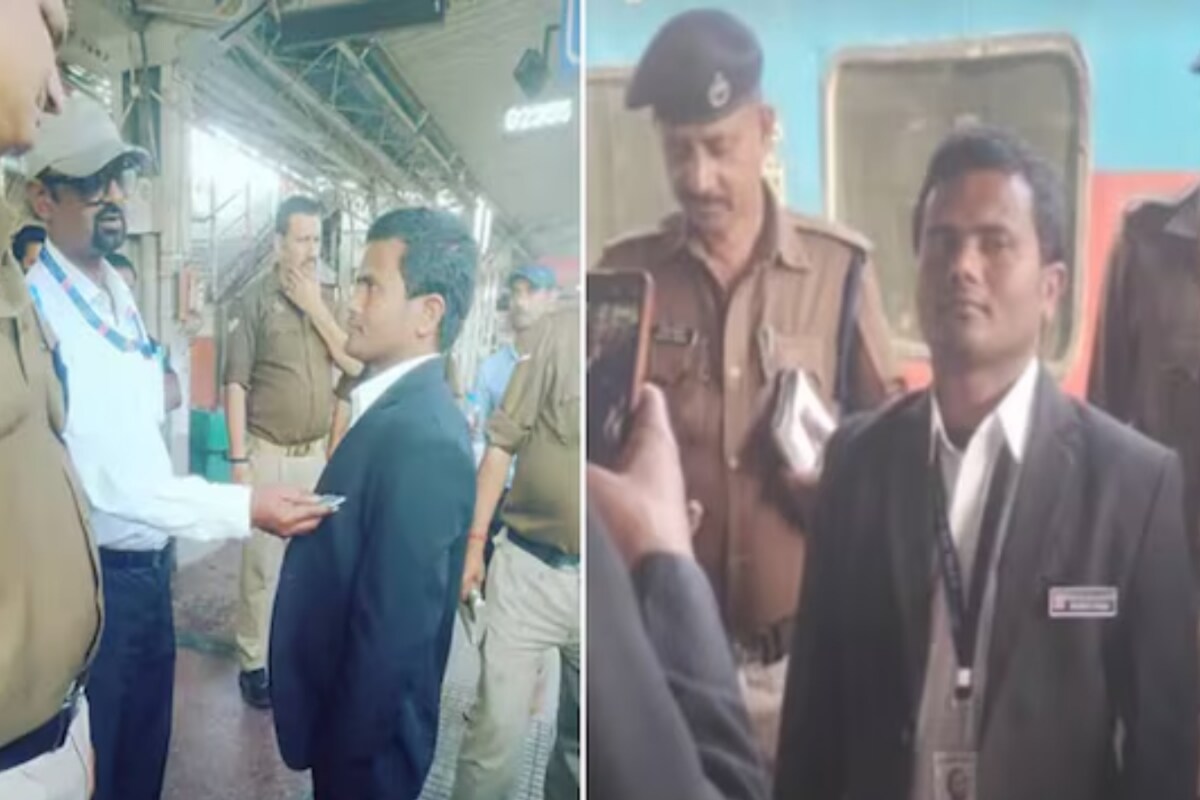
Mumbai’s suburban rail network recorded yet another instance of attempted fare evasion this week after railway staff intercepted a commuter travelling on a forged ticket on a local train. The passenger was detained during routine ticket checks on the Western Railway corridor, underscoring the continuing challenge of fare fraud in one of the world’s busiest urban transit systems. The incident also highlights the importance of stronger digital verification systems as Indian cities work towards creating equitable and financially sustainable public transport.
According to railway officials, the detection occurred during an evening inspection carried out by an AC local ticket-checking squad between Borivali and Virar. An inspector asked a commuter to present his ticket, and the individual confidently displayed a mobile ticket through the UTS application. The staff member, however, noticed inconsistencies in the digital details and cross-verified the ticket number using an internal verification platform. The check confirmed that the ticket was fraudulent. The inspector immediately alerted senior personnel and sought assistance from security teams stationed along the route. Railway Protection Force and Government Railway Police staff detained the passenger at the next major station, where preliminary questioning revealed that the ticket had been digitally manipulated. Officials confirmed that a formal case has been registered under provisions related to forgery and attempts to cheat the railway administration.
A senior official noted that while digital ticketing platforms have made travel more convenient for millions of commuters, they have also introduced new forms of misuse. “Verification mechanisms are becoming more sophisticated, but some individuals still attempt to exploit the system. Sustained vigilance is essential to maintain fairness in public transport,” the official said. Industry observers point out that fare evasion, whether through forged physical tickets or manipulated digital passes, undermines the financial stability of suburban rail operations. Mumbai’s local trains transport more than 70 lakh passengers daily and rely heavily on fare-based revenue. Illegal travel not only creates financial leakages but also challenges broader goals of making mass transit affordable, accessible, and environmentally sustainable.
Urban planners emphasise that strengthening public trust and compliance is a key component of sustainable mobility. Ensuring that every user contributes fairly helps maintain the system’s capacity to deliver reliable, low-carbon transport for all sections of society. Enhanced digital audits, randomised verification, and citizen awareness campaigns have increasingly been recommended to deter ticket fraud. Railway officials added that such incidents reaffirm the importance of on-ground vigilance despite increasing digitalisation. The agency plans to intensify both technological upgrades and human-led inspections to curb misuse. As metropolitan regions aim for more equitable mobility systems, preventing fare leakage remains essential to ensuring public confidence and funding future improvements.
Alert RPF Team Nabs Passenger Using Fake Local Train Ticket In Mumbai