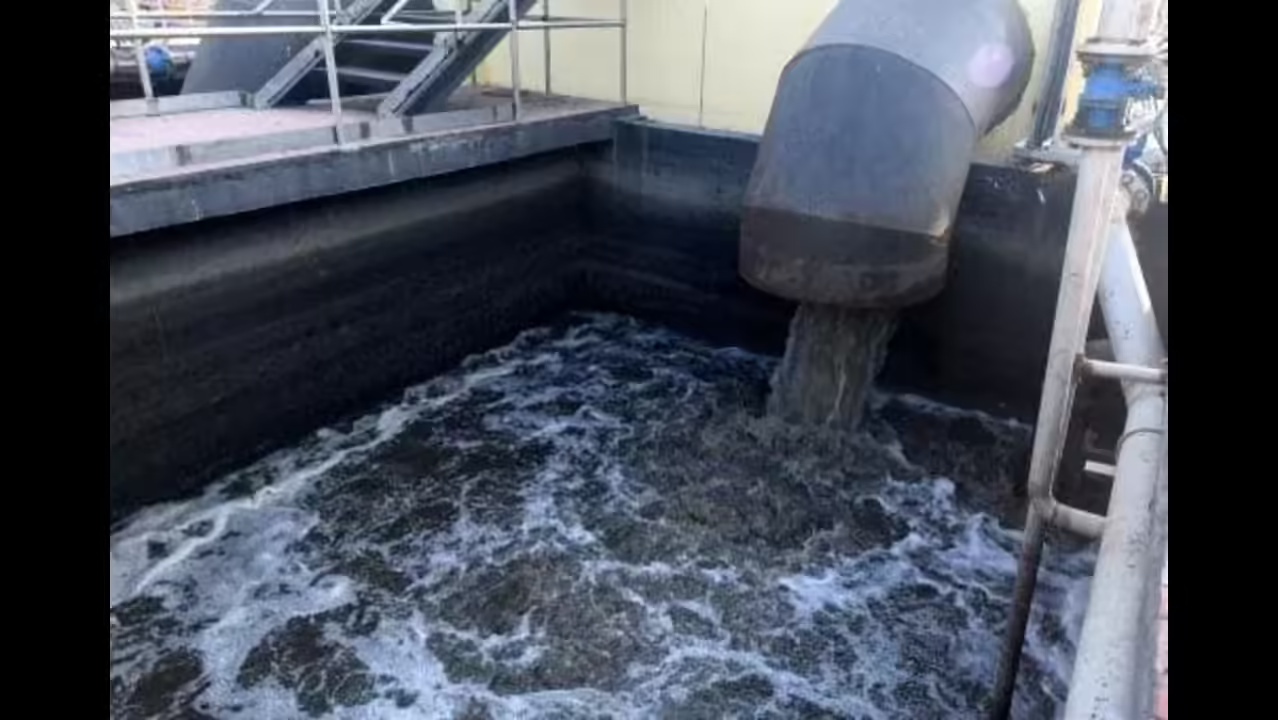
Maharashtra government has unveiled a comprehensive policy titled Safe Reuse and Management of Treated Wastewater, 2025, which seeks to make the reuse of treated wastewater mandatory across housing societies, industrial zones, and urban local bodies. The initiative aims to reduce dependence on freshwater resources while fostering circular water management practices across the state.
According to officials, the policy directs all Municipal Corporations and Class A Municipal Councils to curtail the use of freshwater for non-essential purposes such as gardening, vehicle washing, and firefighting. Instead, these functions will soon have to rely on treated wastewater — a move that aligns with both national water conservation goals and global sustainable city frameworks. The new policy proposes the development of wastewater treatment plants through Public-Private Partnership (PPP) or the Hybrid Annuity Model (HAM). If such models prove unviable, joint funding from the state and civic bodies will be explored. Once treated and certified as safe, this water will be prioritised for industrial, agricultural, and municipal applications, including power generation and irrigation.
Officials noted that Mumbai alone generates more than 2,600 million litres of sewage daily, most of which remains underutilised. With the state’s Water Policy, 2019 mandating that at least 30% of treated wastewater be reused within five years, this new directive is expected to accelerate implementation at the municipal level. Urban development experts have described the initiative as “a pivotal policy shift” that could ease growing pressure on reservoirs and rivers, particularly during dry seasons. They emphasised that tertiary-treated wastewater — which can be purified to near-drinking quality — offers a reliable alternative for non-potable and even emergency use, provided monitoring systems are robust.
The Maharashtra Industrial Development Corporation (MIDC) has been tasked with engaging industrial units to either establish in-house treatment systems or source treated wastewater from nearby municipalities. Data centres, construction firms, and transport departments have also been advised to use treated water for cooling, cleaning, and road maintenance operations. Pricing mechanisms for treated wastewater will be finalised in consultation with the Maharashtra Water Resources Regulatory Authority. Coordination between the Urban Development and Water Resources departments will ensure equitable allocation and transparent distribution.
Experts highlight that this initiative represents a critical transition toward sustainable water management. “Treated wastewater reuse isn’t just about efficiency; it’s about reimagining how urban systems coexist with natural resources,” said an environmental planner. By prioritising reuse, the state aims to create a replicable model for other Indian regions struggling with water scarcity. If effectively implemented, the policy could redefine Maharashtra’s urban water economy—making cities cleaner, more resilient, and closer to achieving their sustainability goals.
Maharashtra Moves To Mandate Wastewater Reuse Policy