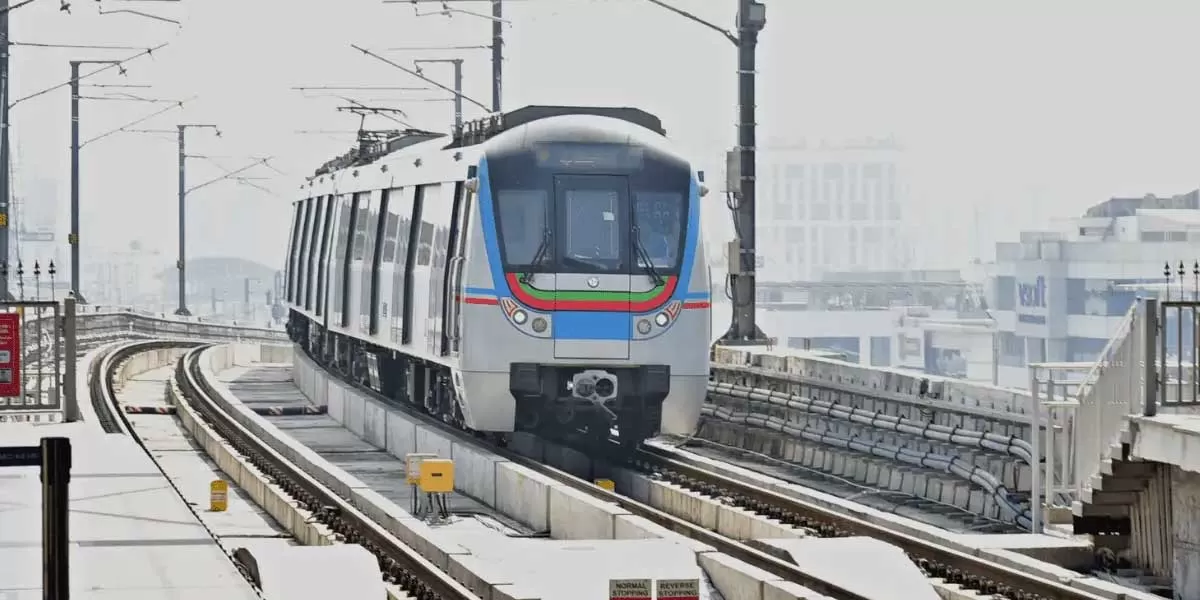
India’s metro and regional rail network is set for its largest-ever expansion, with more than 300 kilometres of new corridors scheduled to open by 2026. From Mumbai to Delhi, Chennai, Pune, Bhopal, Indore and Kochi, multiple urban transport projects are reaching their final phases, signalling a decisive shift towards cleaner, faster and more integrated mobility systems under the national Viksit Bharat 2047 vision.
The rollout of these new lines represents not just an infrastructure milestone but also a crucial step in reshaping India’s urban mobility towards sustainability and reduced congestion. Transport officials note that these projects are designed to enhance intercity linkages while cutting urban emissions, aligning with India’s long-term goal of developing low-carbon, resilient cities. In Mumbai, three key lines are nearing readiness. Metro Line 2B between D.N. Nagar and Mandale will open its first stretch connecting Mandale to Chembur later this year. The 23.6 km elevated route will bridge the city’s eastern and western suburbs, complementing the under-construction Line 4 (Wadala–Kasarvadavali) and the Line 9 extension linking Andheri, Dahisar and Mira Bhayandar by late 2025.
Delhi’s Phase IV expansion, which includes the Magenta Line extension and the new Golden Line from Aerocity to Tughlaqabad, is progressing rapidly. Once commissioned, the additions will add over 50 km of new track and complete the capital’s first circular metro route, significantly improving connectivity between south, west and central Delhi. In southern India, Chennai Metro Rail’s Phase II corridor between Poonamallee and Lighthouse is advancing swiftly. Its upcoming 8 km section from Porur to Kodambakkam Power House will feature India’s first double-decker viaduct, a structural innovation combining Corridors 4 and 5 at shared stations.
Further west, Pune’s 23.2 km Line 3, being developed under India’s first public-private partnership model, is expected to launch by March 2026, serving key IT and business zones. Meanwhile, central India’s Bhopal and Indore metros are both approaching early operations, with their initial stretches set to enhance connectivity across the growing twin-city region. In Kerala, the Kochi Metro’s Phase 2 Pink Line is also nearing completion, extending 11.2 km and integrating residential and IT zones. Simultaneously, the country’s first regional rapid transit system — the Delhi–Meerut Namo Bharat corridor — is close to full commissioning, reducing travel time between the two cities to under an hour.
Experts highlight that the combined impact of these developments will make India the world’s second-largest metro network by 2030, surpassing 2,000 km in operational length. “The next two years will redefine public transport in India,” said a senior transport official. “This expansion embodies a sustainable vision — cleaner, connected and commuter-centric cities designed for the future.”
India To Add 300 Km Sustainable Metro And Regional Rail Lines By 2026