


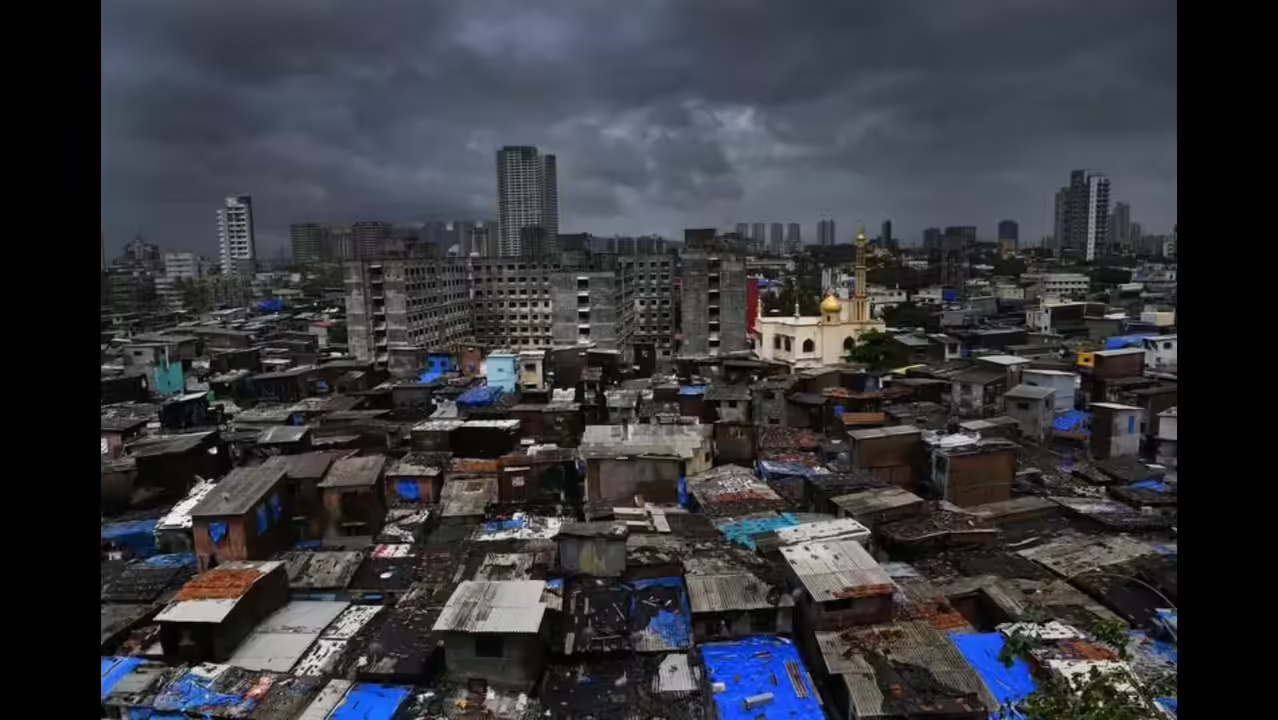
Mumbai’s Slum Rehabilitation Authority (SRA) has managed to complete only a quarter of its 2022–2025 target for slum rehabilitation housing, underscoring the challenges in addressing the city’s acute urban inequities. With just 37,560 tenements ready for occupation as of September 2025, the authority has achieved merely 25% of its goal to construct 1.5 lakh homes within three years.
Officials admit that with less than two months left in the current cycle, the shortfall raises serious doubts about the government’s larger ambition to build over five lakh affordable houses by 2030 under its long-term urban housing plan. The state had identified 517 stalled slum rehabilitation projects in 2022, of which only a fraction have been revived. Around 45 projects received financial backing to appoint new developers, while 228 projects were redistributed among government agencies such as the Brihanmumbai Municipal Corporation (BMC) and Mumbai Metropolitan Region Development Authority (MMRDA). However, the response from contractors has been weak — BMC, which floated tenders for 64 projects, had to reinvite bids for 26 due to poor participation.
The MMRDA’s pilot redevelopment of Ramabai Nagar in Ghatkopar has gained visibility, but progress elsewhere remains limited. Urban development officials note that cost constraints and complex land ownership patterns have stalled momentum. “A mid-term audit of performance is essential to identify systemic bottlenecks,” said an urban policy expert, adding that greater public investment is needed rather than over-reliance on private partnerships. In parallel, the SRA has prioritised slum relocation tied to major infrastructure projects such as the Thane–Borivali twin tunnel and the Bombay High Court complex redevelopment. Over 470 families have been resettled to clear right-of-way obstructions, with MMRDA receiving 343 new tenements for project-affected persons. BMC alone estimates it will require 50,000 such units to enable its ongoing urban works, while the state projects an additional 1.5 lakh homes to support future infrastructure growth across the Mumbai Metropolitan Region (MMR).
Housing and urban experts caution that the state’s heavy emphasis on monetising land through private-led redevelopment may be counterproductive. A housing rights advocate said, “Constructing 279 houses a day is unrealistic. A more equitable model would be to upgrade existing slums with civic infrastructure instead of displacing residents.” As of now, biometric surveys cover only about 5.8 lakh of the city’s estimated 13.7 lakh slum households. The slow rate of enumeration and construction highlights structural inefficiencies that could jeopardise the city’s inclusive housing vision. Without stronger institutional coordination and fiscal commitment, Mumbai’s goal of ensuring dignified housing for all by 2030 risks becoming another unfulfilled urban promise.
Also Read: Mumbai Iconic Nehru Science Centre Marks 40th Anniversary Celebration Tomorrow
