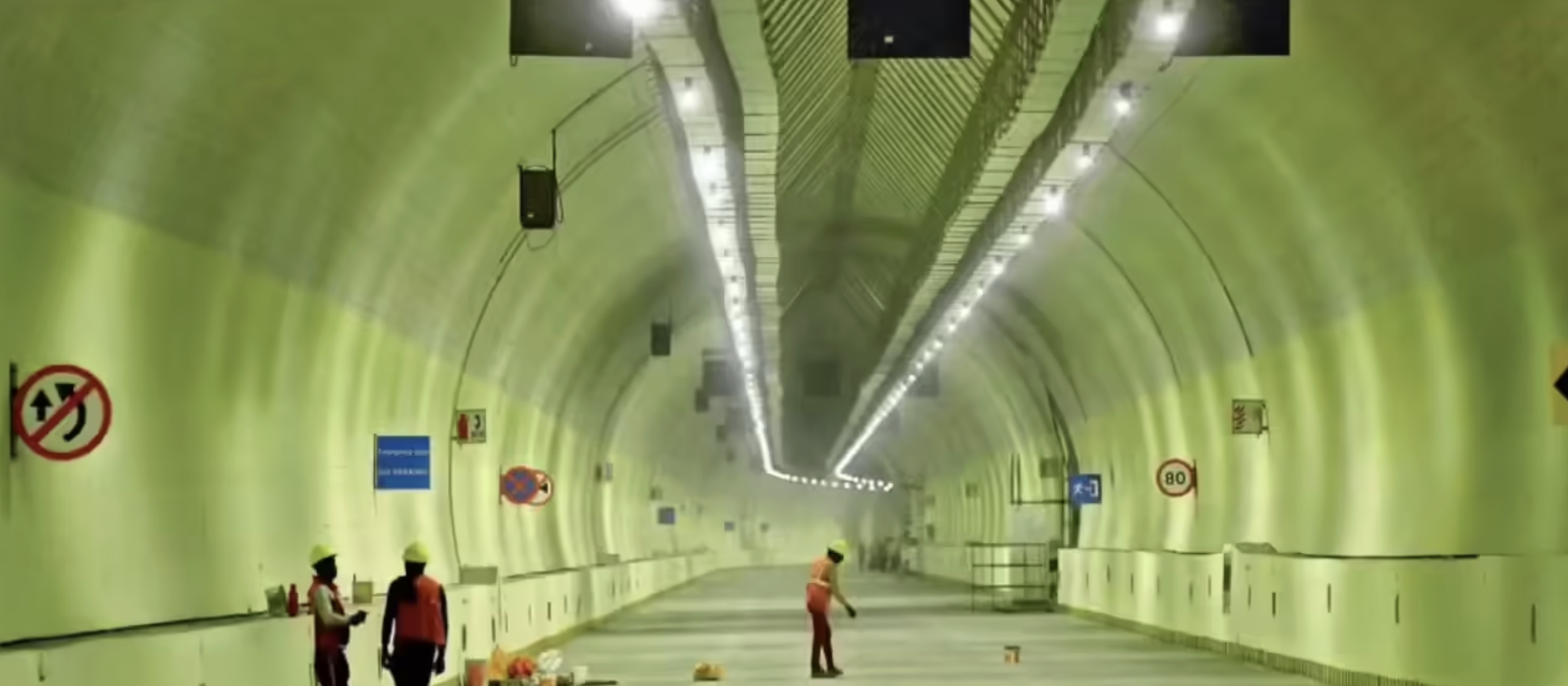
The Mumbai Metropolitan Region Development Authority (MMRDA) has proposed an ambitious 70-kilometre network of tunnels across the city, aimed at easing chronic road congestion and providing faster, uninterrupted connectivity between key business and residential districts.
The proposal, currently in its conceptual stage, marks one of Mumbai’s most extensive urban transport interventions in recent years. Officials confirmed that MMRDA has invited bids to appoint a consultant for preparing a techno-economic feasibility study and detailed project report (DPR) for Phase I. The first phase will connect the coastal road to the Bandra Kurla Complex (BKC) and the airport — three of the city’s most heavily trafficked zones. According to officials, the tunnel system is designed to carry through-traffic underground, reducing surface congestion and freeing arterial roads for local commuters and public transport. “The concept is to take vehicles that do not need to stop within the city below ground, improving travel time and reducing emissions,” an MMRDA official said.
The project is expected to be implemented in three phases, covering a total of 70 kilometres. Once the feasibility study is complete, MMRDA will determine the most viable route alignments, environmental mitigation measures, and funding models — potentially blending public and private investments. Urban mobility experts have welcomed the plan as a step towards future-ready infrastructure but have urged authorities to ensure that sustainability and equity remain at the core of implementation. “Tunnel projects can significantly cut congestion and emissions if integrated with public transport systems, but they must not privilege private car travel over mass transit,” said a transport planner familiar with the proposal.
Mumbai’s expanding road infrastructure, including the Coastal Road, Atal Setu, and Metro network, has already begun reshaping travel patterns across the region. The proposed tunnels would form a new layer in this mobility ecosystem — connecting highways, metro stations, and business hubs while minimising surface-level pollution and urban heat. If executed efficiently, the project could serve as a blueprint for sustainable mobility in dense Indian megacities struggling with land constraints. However, it will require rigorous environmental clearances and careful engineering to protect coastal zones and underground utilities.
As MMRDA finalises the feasibility phase, the initiative reflects Mumbai’s evolving approach to infrastructure — balancing economic growth, environmental responsibility, and liveability.
Mumbai To Build 70 Km Tunnel Network To Decongest Roads