Mumbai’s Metro Line 3 to Get Cityflo Feeder Buses Linking CSMT and Churchgate
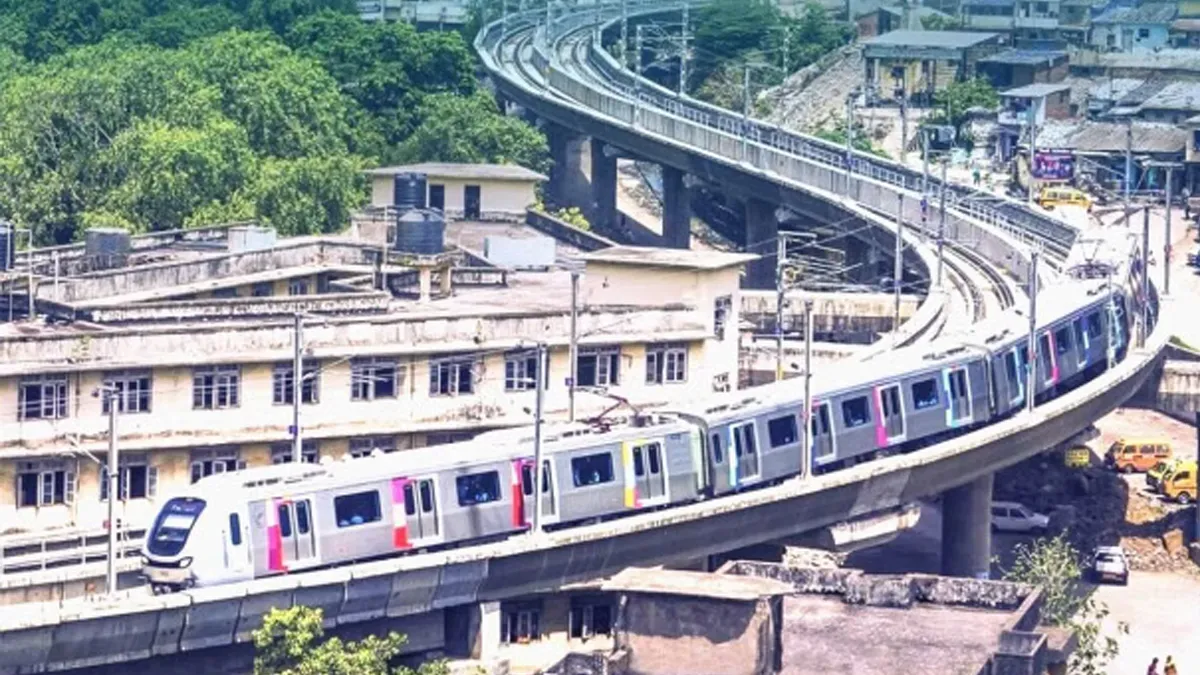
Mumbai’s public transport ecosystem is set for a boost in last-mile connectivity, as the Mumbai Metro Rail Corporation (MMRC) partners with private bus operator Cityflo to introduce a new feeder bus service linking Chhatrapati Shivaji Maharaj Terminus (CSMT) and Churchgate. The initiative, aligned with the launch of Metro Line 3 (Aqua Line), aims to make urban commuting more seamless and reduce dependency on private vehicles in South Mumbai’s dense core.
The new feeder route, branded as the Cityflo Metro Shuttle, will run air-conditioned buses every 15 minutes during peak hours, between 8:15 am to 11 am and 4:15 pm to 7 pm. The route will pass through key city landmarks including the General Post Office, Reserve Bank of India, Lions Gate, SP Mukherjee Chowk, KC College, and both Metro and Railway stations at Churchgate. The lowest fare on the route is ₹9 lower than the ₹12 charged by the city’s public bus operator BEST for the same corridor.
According to MMRC officials, the collaboration marks the first structured partnership between a metro operator and a private aggregator for feeder connectivity. Passengers will be able to book rides through the Cityflo app or via kiosks installed at the CSMT Metro station concourse. The fare structure and service frequency are expected to be revised periodically based on commuter demand.
Officials said similar feeder networks will be rolled out soon at other key metro hubs such as Bandra Kurla Complex (BKC) and Worli, covering business and residential clusters. “The goal is to offer integrated, comfortable and time-efficient connections from metro exits to nearby employment zones,” an MMRC official stated.While the initiative has been welcomed by regular commuters, experts have raised concerns about competition with the Brihanmumbai Electric Supply and Transport (BEST) undertaking, which has been struggling with a shrinking bus fleet and ridership. A transport policy analyst noted that private aggregators should ideally fill connectivity gaps in under-served areas rather than overlapping with existing public bus routes.
Despite this, some BEST officials view private partnerships as a pragmatic response to resource shortages. With just over 2,600 active buses most under wet lease BEST’s daily ridership has dropped from nearly 3 million to around 2.5 million since Metro Line 3 became fully operational.Urban mobility experts see this collaboration as part of a wider transformation of Mumbai’s transport landscape, driven by digital ticketing, multimodal integration, and private participation. If scaled effectively, such feeder models could serve as a sustainable template for other Indian cities aiming to build connected, low-emission urban transport systems.