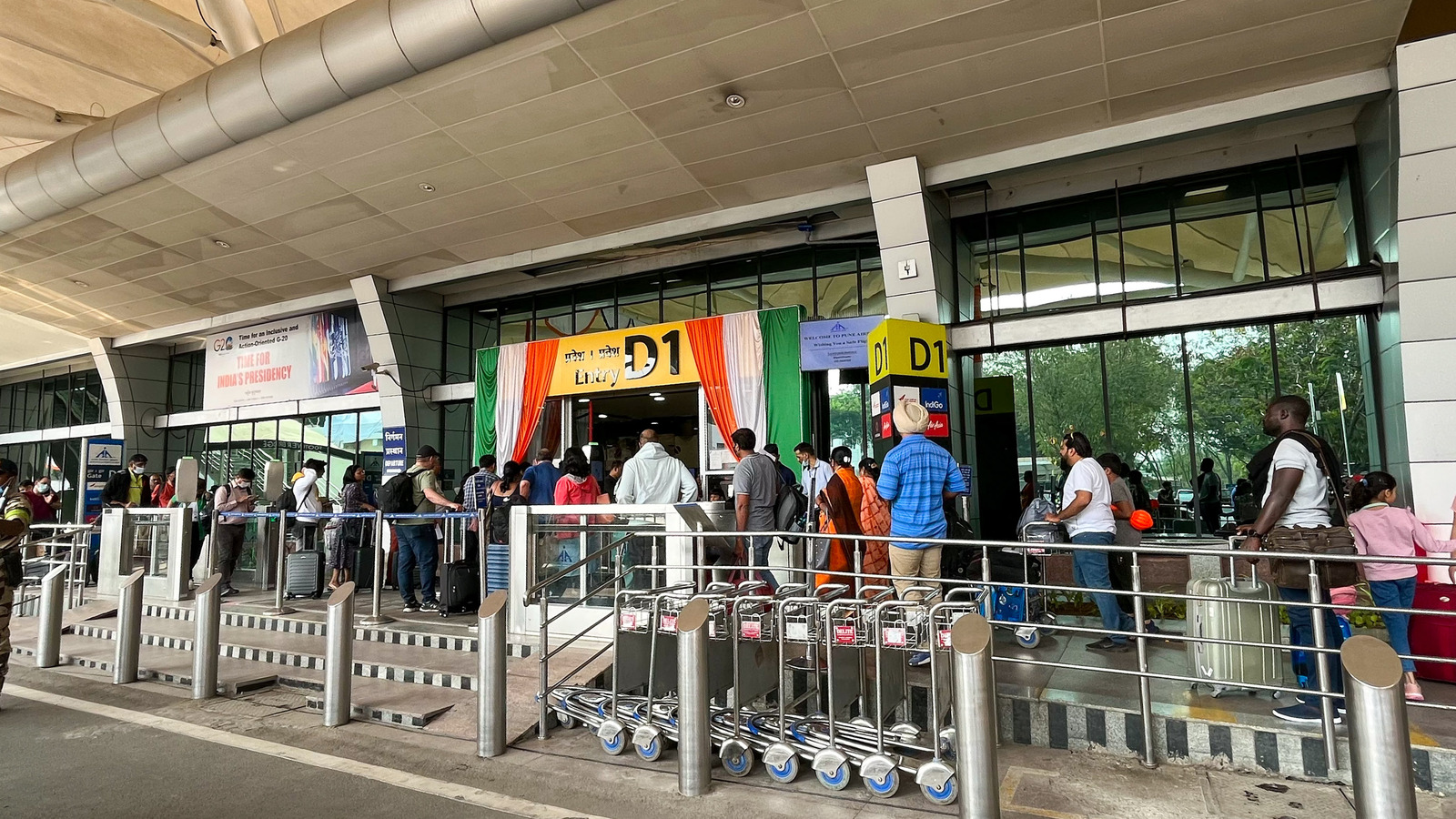
Pune Airport Gets No New Flights In Winter Schedule Despite Demand
Pune’s aviation sector faces turbulence this winter as the Airports Authority of India (AAI) finalises its new flight schedule without adding a single new service, leaving passengers and airlines grappling with a growing demand-supply mismatch. Despite the city’s surging travel appetite and the onset of the festive rush, the airport will continue to operate 208 daily flights across 34 domestic and two international destinations.
The lack of new slots under the ‘Winter Schedule 2025’ underscores the operational strain of Pune Airport’s dual civil-military infrastructure. While passenger numbers have steadily climbed, the facility’s constrained runway capacity and limited apron space have left little room for expansion. Officials confirmed that around 220 flight slots are currently approved, of which 208 are in active use, with 12 withdrawn due to scheduling challenges.
Airlines have long sought permission to open new routes, including to emerging business and tourism hubs, but congestion continues to clip their wings. “Demand is strong, but the infrastructure simply cannot keep pace,” said a senior airport official. “Without additional slots, airlines cannot expand operations even during peak travel seasons.”The airport currently maintains connections to major metros such as Delhi, Mumbai, Bengaluru, Hyderabad, Chennai, and Kolkata, along with tier-two cities like Amritsar, Bhopal, Raipur, Ranchi and Surat. International connectivity remains limited to Dubai and Bangkok, operated by select carriers. For a city with Pune’s industrial and educational prominence, this restricted network is increasingly seen as a roadblock to regional mobility and economic growth.
Interestingly, while expansion remains stalled, Pune Airport has earned high praise for its service quality. In the Airport Service Quality (ASQ) rankings by Airports Council International for 2025, it emerged as the top-performing AAI-managed airport globally, scoring an impressive 4.96 in the third quarter. The achievement reflects the airport’s commitment to passenger experience, even amid logistical constraints.However, industry experts argue that efficiency alone cannot offset structural bottlenecks. The city’s growing status as a technology and manufacturing hub demands scalable, sustainable aviation infrastructure.
Environmentalists and urban planners alike suggest that future airport development must integrate carbon-neutral design, enhanced public transport connectivity, and renewable energy operations to ensure balanced growth.Unless infrastructural investments align with Pune’s evolving mobility needs, the city risks losing its edge as a rising aviation and business centre. As demand soars and runways stay packed, the call for a more sustainable and expansion-ready airport has never been louder.