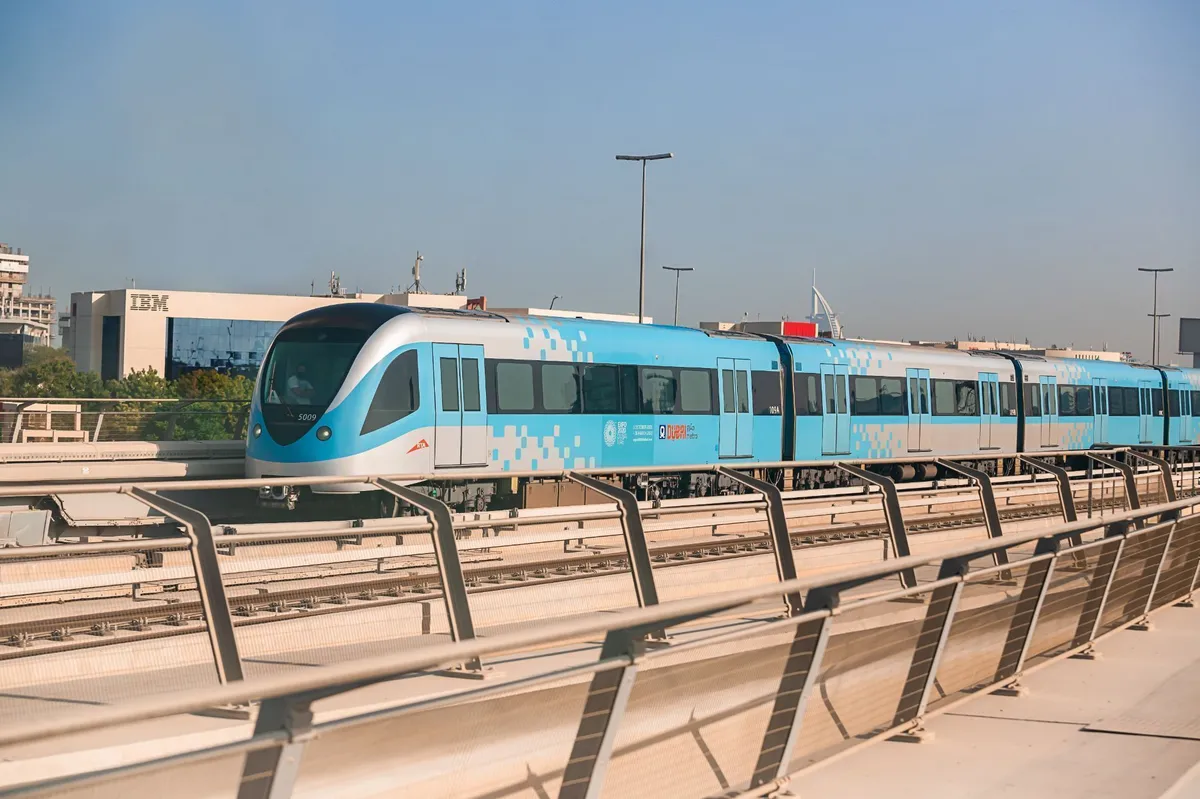
The growing frustration among thousands of Pune–Mumbai commuters has reignited calls for an hourly intercity train service between the two major metros. With expressway congestion worsening and train schedules proving infrequent and inconsistent, citizens, transport experts, and business stakeholders are urging authorities to prioritise rail infrastructure that supports predictable, safe, and eco-friendly travel.
The current rail connectivity comprising trains such as the Deccan Queen, Intercity Express, and Pragati Express fails to meet the demands of daily travellers. Most commuters say the large timing gaps between services leave them dependent on road travel, which has become increasingly unreliable due to bottlenecks and frequent accidents on the Mumbai–Pune Expressway.Transport analysts argue that improving the frequency of rail services is no longer a luxury but a necessity.
A senior mobility expert explained that an hourly train system could decongest highways, reduce vehicular emissions, and boost regional productivity by ensuring faster and greener connectivity.A Case for Regional Rapid Transit
Many commuters and planners are advocating for a Maharashtra version of the Regional Rapid Transit System (RRTS), inspired by Delhi’s Delhi–Meerut corridor. The RRTS model featuring semi-high-speed trains running at up to 180 km/h enables congestion-free and predictable travel through dedicated tracks.
Officials familiar with the proposal said a similar system connecting Mumbai, Pune, and Navi Mumbai could redefine mobility in western Maharashtra. Beyond convenience, it would serve as an economic catalyst by improving workforce mobility, cutting travel time, and supporting sustainable intercity growth.
Economic Efficiency and Regional Growth Frequent travellers, small-scale entrepreneurs, and service professionals assert that inconsistent train schedules have become a drag on business efficiency. Daily traders who source materials or attend client meetings in Mumbai often face unpredictable delays due to traffic snarls on the expressway.Experts highlight that a reliable hourly train service could reduce logistics costs, attract investment in satellite towns, and promote decentralised urban development aligning with India’s vision of low-carbon, multimodal transport ecosystems.
A high-frequency rail corridor would not only cut fuel consumption and carbon emissions but also help prevent the growing number of expressway accidents. Urban planners note that prioritising rail infrastructure over road expansion aligns with India’s long-term sustainability goals and supports equitable urbanisation by improving public mobility access.While the proposal awaits formal assessment, momentum is building among civic bodies, transport authorities, and citizens for a greener, faster, and more efficient Pune–Mumbai commute one that could set a precedent for future regional mobility corridors across the country.
Pune Commuters Demand Hourly Mumbai Train To Ease Traffic Chaos