


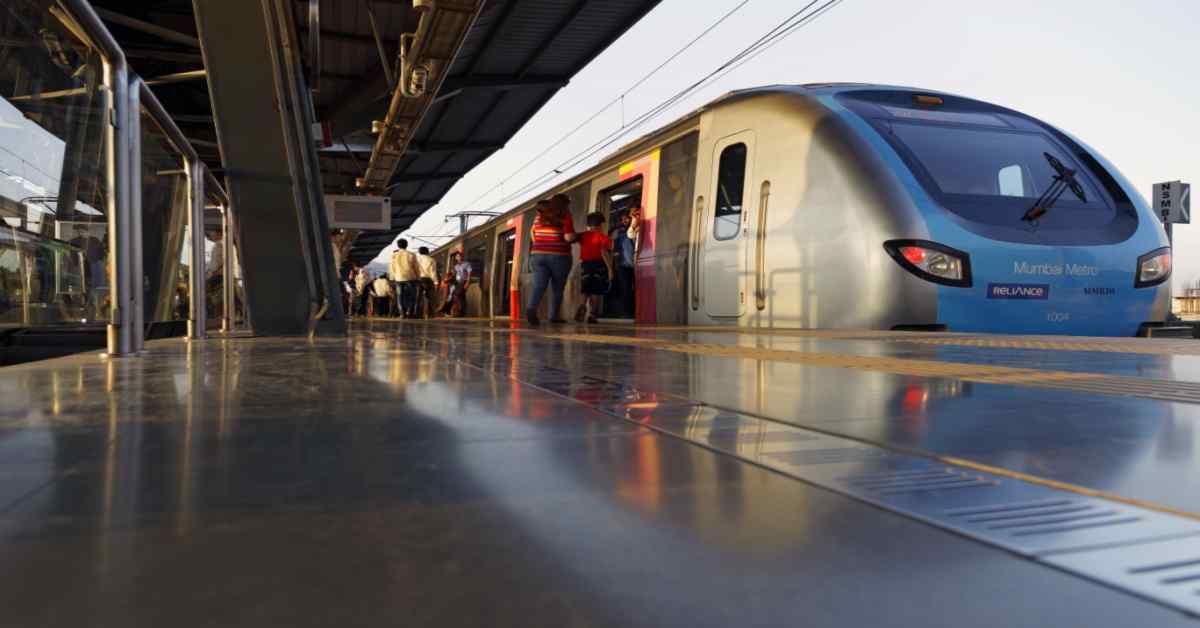
Mumbai’s first fully underground metro line is set to redefine how the city moves. The much-awaited Metro Line 3, stretching from Aarey to Cuffe Parade, will traverse some of the most densely populated neighbourhoods of South and Central Mumbai, easing traffic congestion and providing a faster, more sustainable alternative to surface transport. As the corridor prepares for full-scale operations, authorities are evaluating plans to make it a round-the-clock, affordable, and commuter-friendly network.
Officials associated with the project said that plans for a 24-hour metro service are under active consideration, aimed at catering to Mumbai’s nocturnal workforce and late-night travellers. This initiative is expected to bridge a critical gap in public mobility, allowing trains to operate at half-hour intervals between 1 AM and 5 AM. Such an arrangement could particularly benefit night-shift employees, emergency commuters, and early airport passengers, reinforcing Mumbai’s identity as a city that never sleeps. Transport experts note that offering continuous metro operations aligns with the city’s economic and social rhythm, ensuring reliable connectivity beyond conventional hours. It could also help lower dependency on private taxis and cars during the night, cutting down on emissions and road congestion.
In a bid to make daily commuting more economical, the authorities are also proposing discounted fare structures. Passengers using the National Common Mobility Card (NCMC) or Mumbai One Card could get a 10 per cent fare reduction, encouraging digital transactions and promoting cashless, hygienic travel. Further, discounted trip passes for regular commuters, students, and office workers are being explored to make metro travel an accessible choice across economic segments. Improving last-mile connectivity remains another major focus area. To ensure passengers can seamlessly reach their destinations, plans include deploying 400 air-conditioned feeder buses running at an affordable ₹10 per ride. These buses will operate from metro stations to nearby residential and commercial hubs, minimising reliance on autos and taxis. The system will be designed so that each metro station has at least 15 buses connecting three nearby localities.
Transport planners emphasise that effective feeder networks are essential for the metro’s long-term success, as they enable commuters to complete their journeys conveniently without resorting to private vehicles. A robust integration of metro, bus, and pedestrian access would help reduce last-mile friction, ultimately enhancing ridership and urban mobility. The Mumbai Metro Line 3 corridor, dubbed the “Aqua Line”, represents a turning point in the city’s quest for cleaner, faster, and more equitable public transport. By combining sustainability measures with user-centric design, the line is expected to play a crucial role in curbing emissions and fostering a more inclusive commuting ecosystem. As the city continues to expand vertically and horizontally, Metro Line 3 stands as a key component of a greener, more connected Mumbai.
Also Read :Mumbai Metro Line 11 Rs 23487 Crore Underground Project Awaits Central Government Approval Soon
