


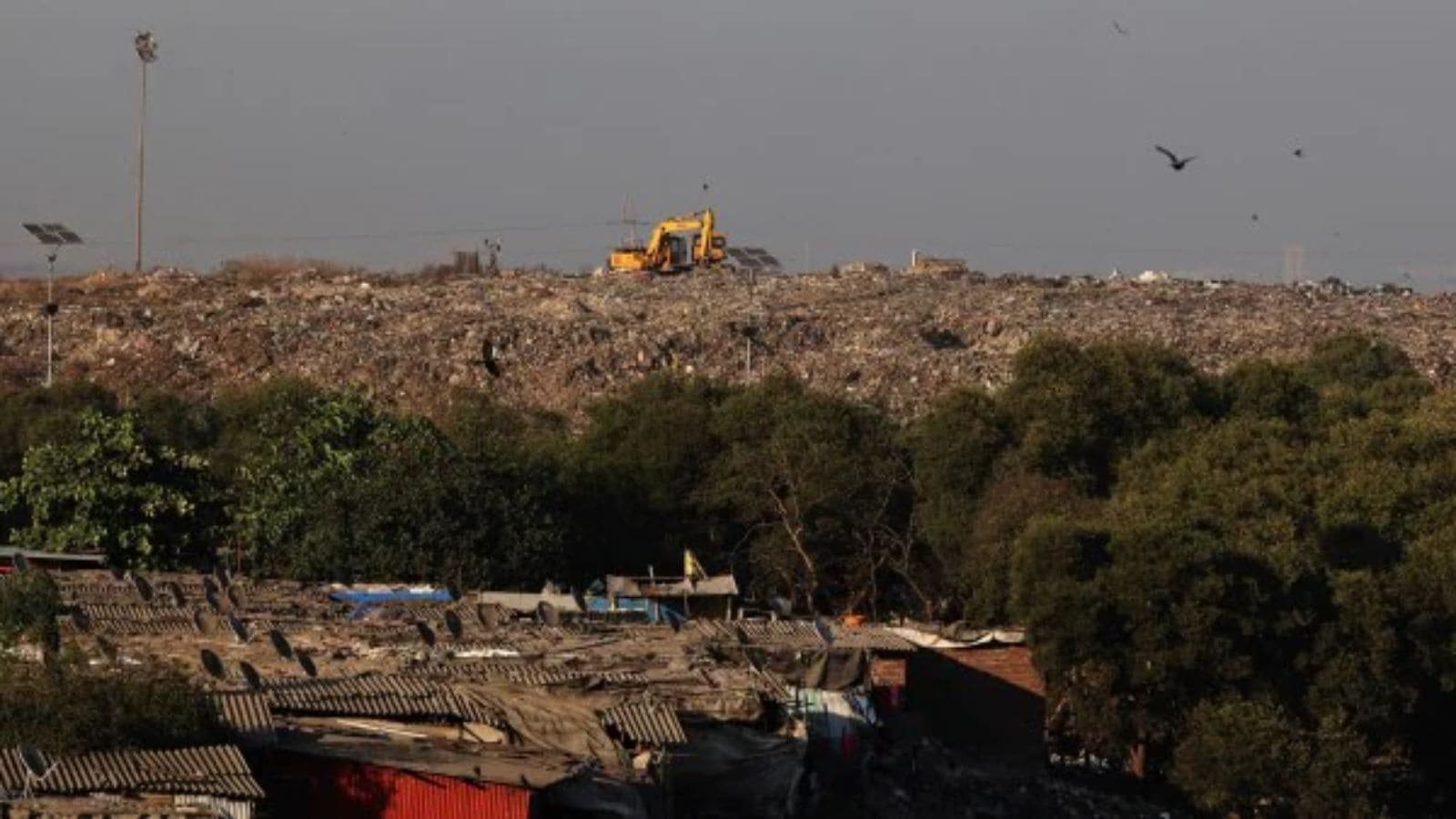
Mumbai witnessed a significant surge in waste generation during the Diwali festival week, producing over 3,000 metric tonnes of additional garbage—equivalent to 162 truckloads—beyond its usual daily levels. City officials highlighted that the festive influx of domestic and commercial waste has further stressed the municipal solid waste management system, already handling an average of 6,900 metric tonnes daily.
According to civic authorities, the daily waste generation during the Diwali period jumped to 7,300 metric tonnes, marking a rise of 400 metric tonnes per day. This surge is attributed to increased consumption of festive goods, fireworks, and packaging materials, as well as higher footfall in commercial hubs and residential localities. Municipal experts emphasised that managing this spike remains critical not just for cleanliness but for sustainable urban health. “While the BMC has deployed additional sanitation crews and intensified collection drives, the sudden increase in mixed solid waste presents a challenge in segregation and recycling, particularly with plastics and organic waste,” said an official from the BMC Solid Waste Management Department.
Environmental analysts point out that the spike in festival waste reflects broader urban consumption patterns and underlines the urgent need for eco-friendly festive practices. “Citizens should be encouraged to adopt sustainable alternatives such as biodegradable packaging, minimal use of plastics, and eco-friendly fireworks. Such practices can substantially reduce the environmental footprint of urban festivities,” said an expert on sustainable city planning. The civic body has taken several measures to manage the surge, including deploying additional trucks, temporary storage facilities, and extending collection timings in heavily congested areas. Certain zones in south, central, and western Mumbai received priority, with waste removal teams operating late into the night to prevent litter accumulation on streets.
Officials also highlighted the importance of citizen participation in maintaining urban cleanliness. Households were urged to segregate wet and dry waste and avoid dumping bulky items in public spaces. “Community cooperation plays a crucial role in ensuring that the city remains clean and functional during high-waste periods,” the official added. While the short-term spike is expected to subside post-festivities, urban planners see this as an opportunity to rethink municipal waste policies and reinforce sustainable practices city-wide. Measures such as incentivising composting, expanding recycling infrastructure, and promoting digital receipts over paper can help cities like Mumbai move towards zero net carbon goals.
The BMC has also reiterated that the city’s long-term waste management strategy is aligned with sustainable and equitable urban practices, aiming to balance festive celebrations with environmental responsibility. Experts note that these interventions, combined with citizen awareness, are essential for developing cleaner, greener, and more resilient cities.
Also Read : Pune under yellow alert as Maharashtra wet spell returns unexpectedly
