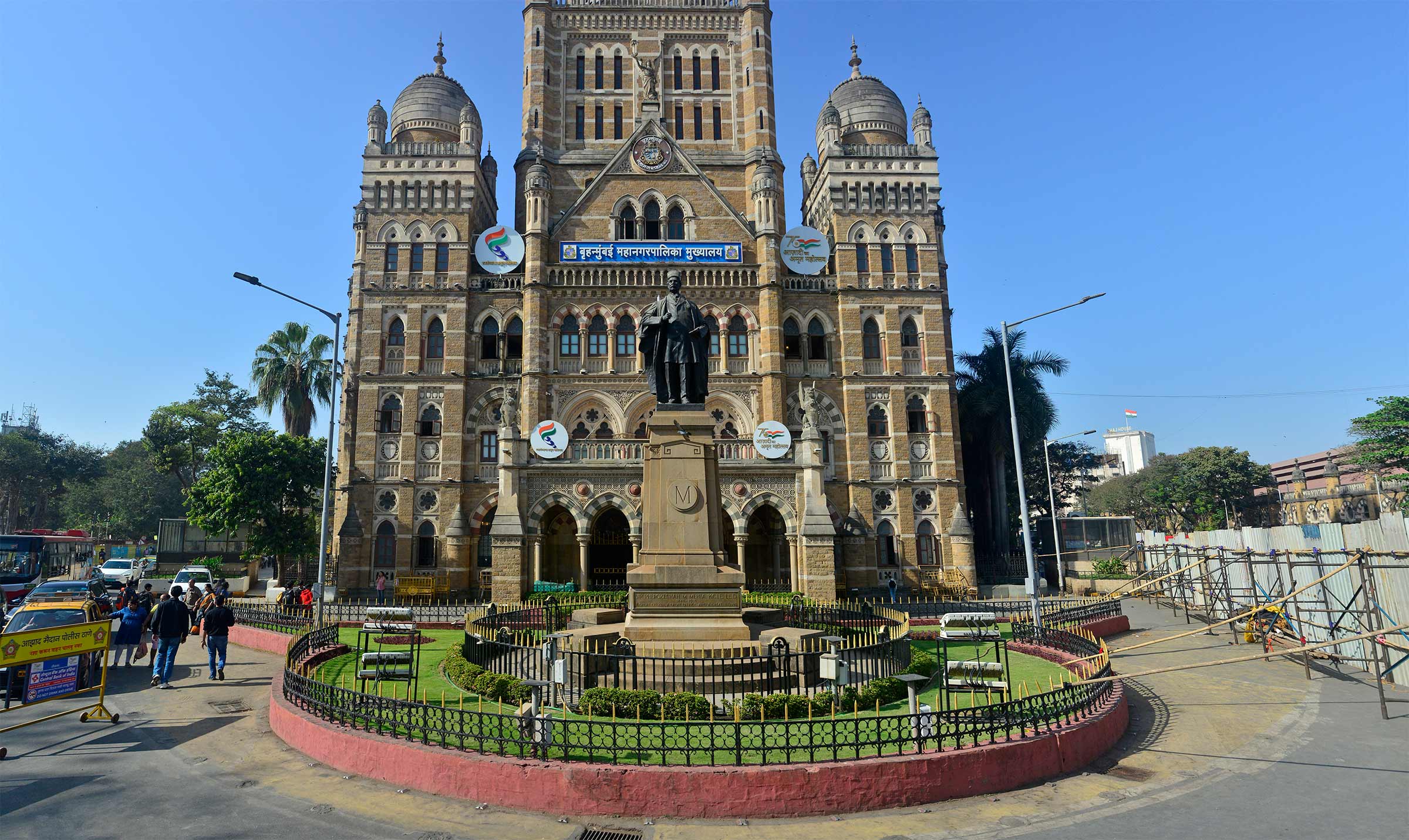
Mumbai BMC Pushes Privatisation Drive Outsourcing Civic Services Under PPP Model
Mumbai’s civic administration has accelerated its shift towards public-private partnerships (PPP), handing over a growing range of municipal services to private entities in an ambitious bid to conserve resources and boost efficiency. From maintaining roads and parking systems to running hospitals and sports complexes, the Brihanmumbai Municipal Corporation (BMC) is reimagining how the city delivers essential infrastructure.
The move gained momentum following the successful outsourcing of the median maintenance along the Coastal Road and the development of reclaimed land adjoining the project a contract bagged by a major private conglomerate. Encouraged by the outcome, the BMC has since expanded its PPP approach across a wider spectrum of city functions, seeking both operational relief and new streams of non-tax revenue.Officials within the civic body argue that the PPP model enables Mumbai to meet its growing service needs without depleting public funds. Instead of the BMC bearing the entire cost, private operators invest capital and recover profits through operations, advertisements, or user fees, while the corporation earns a share of the revenue.
For instance, profits from parking lots and sports facilities are now being partially channelled back to the civic treasury.The shift comes at a critical juncture for the BMC. Having spent heavily on mega infrastructure projects such as the Coastal Road extension to Dahisar, the Goregaon-Mulund Link Road, sewage treatment systems, and desalination plants, the civic body faces fiscal tightening. Its fixed deposit reserves have already declined from ₹91,690 crore in 2021–22 to ₹79,498 crore, prompting a strategic rethink of how essential services are managed.
Civic economists say the transition reflects a global trend in metropolitan governance, where cities leverage private sector efficiency to manage public infrastructure. However, they also caution against the unchecked privatisation of basic services. While private participation may enhance delivery in discretionary projects such as parking or recreation, experts warn that outsourcing healthcare and hospital management could limit access for low-income residents.
Community leaders and policy observers remain divided. Some view the model as a pragmatic response to rising operational costs and citizen expectations. Others argue that core services such as healthcare, sanitation, and water supply must remain under municipal control to preserve equity and accountability. According to an urban policy expert, “The BMC must ensure that public assets remain public in essence, even when operated by private hands.”Despite criticism, civic officials confirm that the outsourcing drive will intensify in the coming year, with multiple departments preparing PPP tenders. For a city of Mumbai’s scale and complexity, the success of this model may ultimately depend on maintaining transparency, protecting public interest, and ensuring that profit motives never overshadow the city’s social obligations.