Gurugram Delhi to Palwal drain planned to end flooding woes
A blueprint for a major storm water drain linking Gurugram to Palwal is being drawn up to provide a long-term solution to the chronic problem of waterlogging across Delhi-NCR. The proposed project, which aims to channel excess rainwater into the Yamuna, was discussed at a high-level review meeting with senior officials of metropolitan planning and infrastructure departments.
The plan is being prioritised after repeated instances of urban flooding that have disrupted life in Gurugram and Delhi for nearly a decade.Officials acknowledged that existing drainage systems, including the Najafgarh drain, have limited capacity and can no longer manage the rising volumes of storm water generated by rapid urbanisation, shrinking natural water bodies, and unregulated construction. Experts present in the meeting underlined the urgency of developing alternative channels that can redirect rainwater while simultaneously replenishing water reservoirs in adjoining districts.
The proposed Gurugram–Palwal drain, according to planners, could serve a dual purpose: easing congestion and flooding during monsoon while ensuring better water availability in the semi-arid belts of Nuh and neighbouring areas. Urban development advisors noted that mapping the natural topography, catchment areas, and existing reservoirs would be critical to designing a sustainable and future-proof drainage system.Officials further indicated that the study will also explore the possibility of integrating nature-based solutions such as wetland restoration and decentralised water storage structures alongside the drain to ensure climate resilience. Such measures could reduce dependency on overburdened centralised channels and contribute to building equitable, eco-friendly cities, aligned with the broader goal of zero net carbon urban development.
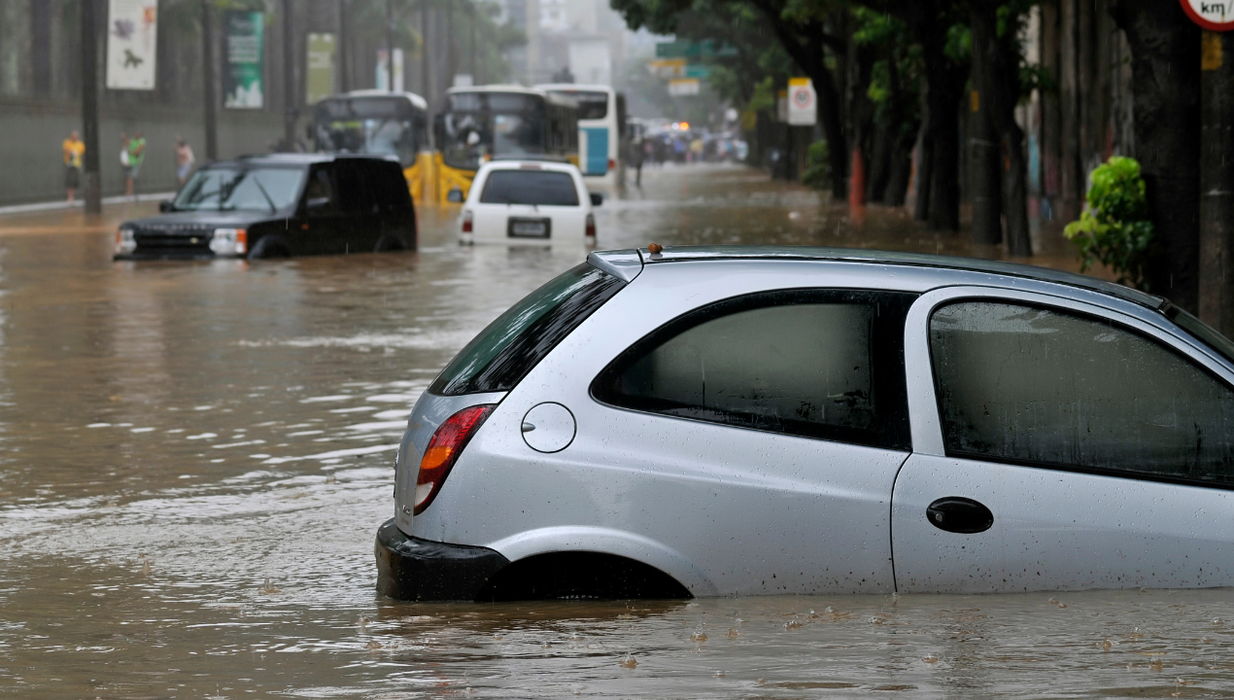
The review also recalled the severe flooding event of 2016, when Gurugram was virtually paralysed for two days, exposing the vulnerability of NCR’s infrastructure. Despite annual investments in desilting, pump installation, and patchwork repairs, recurring inundations have highlighted the need for systemic reforms rather than temporary fixes. Civic authorities have faced criticism for failing to provide a reliable solution, making this fresh plan a crucial test of intent and execution.
Experts from the planning board stressed that a comprehensive environmental impact assessment must accompany the project to avoid replicating mistakes of the past, where short-term infrastructure development led to ecological imbalance. With urban populations swelling and extreme weather patterns becoming more frequent, the proposed drain is being seen as a decisive intervention to protect mobility, economic activity, and public health across Delhi-NCR.While the project is still at a preparatory stage, the directive is clear: a detailed feasibility report must be readied within a month, accounting for hydrological flows and future urban expansion. Officials assured that the plan will be tabled at the upcoming NCR planning board meeting. If implemented effectively, the Gurugram–Palwal drain could emerge as a model of climate-adaptive urban infrastructure, balancing flood prevention with sustainable water management.