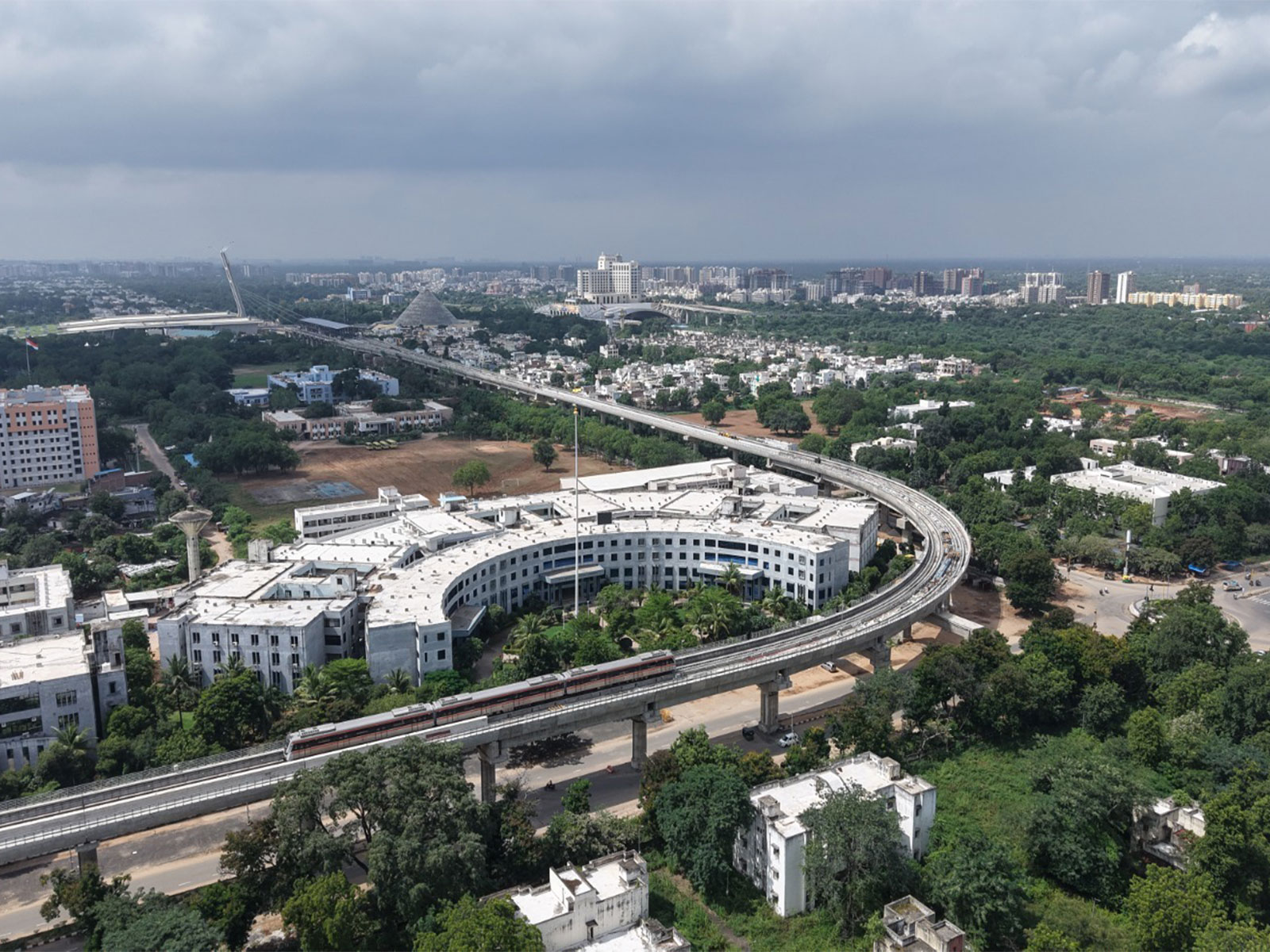
Gandhinagar Metro Trial Reaches Mahatma Mandir on Vijayadashami Extending Network
Gandhinagar marked Vijayadashami this year with a milestone in sustainable urban mobility as the city witnessed the extension of its metro trial run to Mahatma Mandir. The trial, which previously ended at Sachivalaya, now covers five stations including Akshardham, Old Sachivalaya, Sector 16, Sector 24 and Mahatma Mandir, expanding the reach of Gujarat’s flagship mass transit project.
Officials overseeing the project confirmed that the successful extension marks an important step in the phased development of the Ahmedabad–Gandhinagar Metro corridor. The 68-kilometre line, once fully operational, will serve 53 stations linking the twin cities and is scheduled for public launch in 2026. Approval from the Central Metro Railway Safety authority is the next procedural stage, with the government hopeful of limited public services reaching Mahatma Mandir by the Gujarati New Year.
The Gandhinagar Metro is being projected not merely as a transport system but as a symbol of the state’s commitment to building sustainable, zero-carbon, and commuter-friendly cities. Experts note that the extension will not only ease traffic pressure on congested city roads but also provide residents with a more affordable and environmentally friendly alternative to private vehicles. With urban pollution becoming a rising concern in Indian cities, the metro network is expected to significantly reduce reliance on fossil-fuelled transport, thereby contributing to a greener future.
The trial run coincided with tributes paid to Mahatma Gandhi at his birthplace in Porbandar, highlighting the symbolic link between the metro reaching Mahatma Mandir and Gandhi’s vision of self-reliance and equitable progress. Officials drew parallels between Gandhi’s emphasis on khadi and swadeshi principles and the present push for eco-friendly mobility solutions that empower people while reducing dependence on carbon-heavy systems.
Urban planners stress that beyond connectivity, the metro project carries larger social implications. A well-integrated transit system encourages gender-neutral access to safe public transport, reduces commute time for working populations, and enhances equitable access to employment hubs and educational institutions. For Gandhinagar and Ahmedabad, two fast-growing urban centres, the metro promises to become the backbone of sustainable economic activity.
While much of the city still awaits the complete rollout, the extension to Mahatma Mandir demonstrates the steady progress of the project.
For the thousands of commuters who currently rely on crowded buses and personal vehicles, the metro offers the promise of comfort, safety, and reliability. The trial marks not just an infrastructural achievement but also a step towards transforming urban mobility in Gujarat into an environmentally responsible and socially inclusive system.As the state prepares for the official launch in 2026, the Gandhinagar Metro now stands as a significant chapter in India’s journey towards sustainable urban futures, with Mahatma Mandir serving as both a destination and a symbol of collective progress