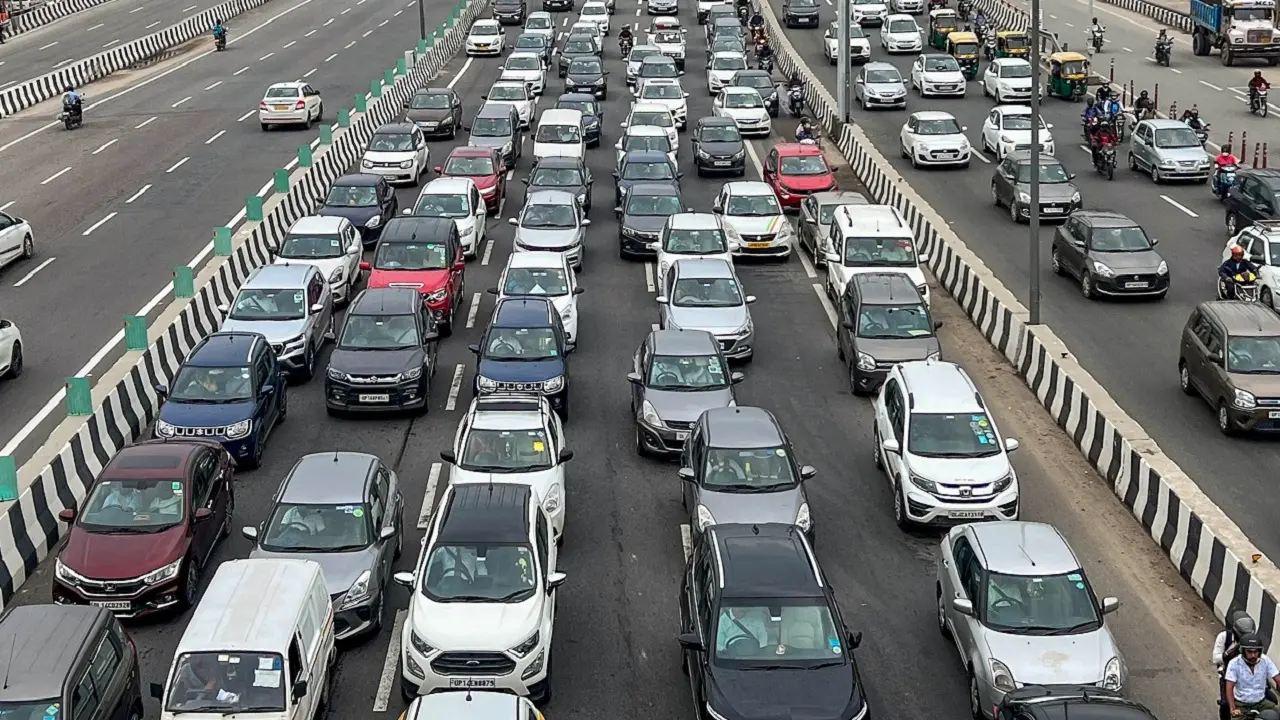
Mumbai bans heavy vehicles on NH48 Ghodbunder Road during peak hours
Traffic experts point out that NH48 is among India’s busiest freight highways, linking Gujarat with Maharashtra’s industrial clusters and Mumbai’s port. With the Thane belt acting as a transit choke point, the influx of long-haul carriers from Gujarat towards Bhiwandi, Kalyan, and Mumbai has consistently crippled urban traffic. By halting entry during peak hours, police intend to restore smoother passage for commuters and public transport, which otherwise gets trapped behind slow-moving cargo vehicles.
Officials have clarified that essential service vehicles, including those transporting perishable goods, oxygen, or medical supplies, will be exempted from the ban. Vehicles will instead be held at designated points such as toll plazas and junctions including Sirsad Phata, Chimoti Naka, and the Fountain Hotel. Authorities have also prohibited roadside parking by heavy trucks, citing that illegal halts significantly compound congestion and safety risks.
From a sustainability perspective, curbing heavy vehicle flow could reduce idling times, thereby lowering vehicular emissions that worsen Thane’s already fragile air quality. Experts emphasise that in the long run, the solution lies in more sustainable freight management, including designated truck corridors, night-time freight policies, and improved last-mile logistics planning. Without these systemic changes, such bans remain stopgap arrangements rather than transformative reforms.
Commuters welcomed the announcement but expressed scepticism about enforcement, given past instances where similar restrictions failed due to lack of compliance monitoring. For many daily travellers, the ban signals some immediate respite from the grind of multi-hour journeys, but they argue that the city must accelerate investments in resilient roads, equitable transport systems, and green mobility solutions to achieve real change.The MBVV police maintain that this order is part of a broader attempt to prioritise public convenience and safety while balancing the demands of freight mobility. As Mumbai grapples with rapid urbanisation, shrinking road space, and high vehicular density, such measures reflect a growing recognition that urban infrastructure needs to evolve with a focus on sustainability, inclusivity, and resilience.