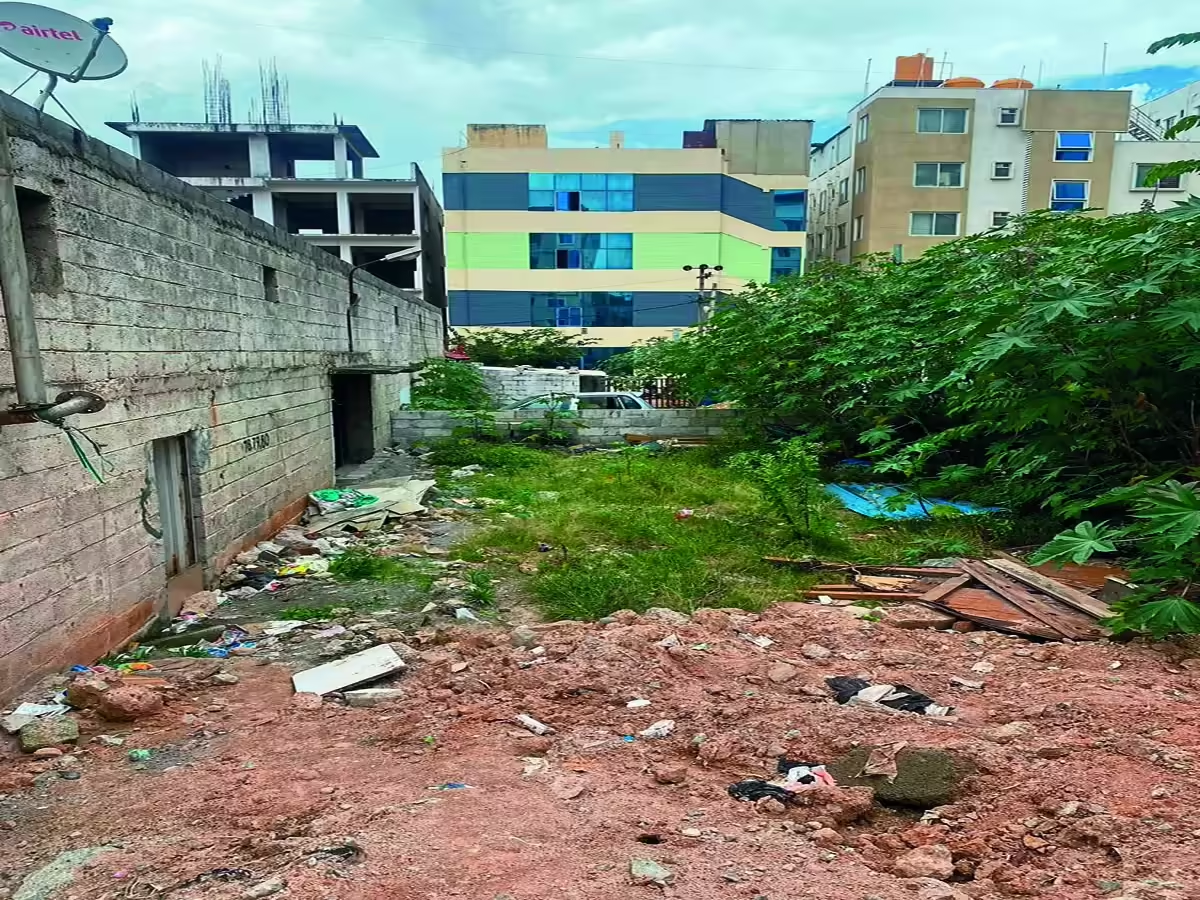
Bengaluru Mangammanapalya Residents Struggle As Arterial Road Remains Blocked
Bengaluru residents of Muni Reddy Layout in Mangammanapalya are facing ongoing disruptions as a critical arterial road remains blocked, highlighting persistent bureaucratic delays, corruption, and administrative confusion within the Bengaluru South City Corporation (formerly BBMP). The road, long used by the public, has been obstructed by private claims despite clear court orders and municipal directives to restore access.
According to civic officials, the road has existed for more than 40 years and served as a key connector for residents and local businesses. Yet, it was recently encroached upon by individuals asserting residential ownership, backed by improperly issued documentation from local revenue offices. Experts suggest such lapses reflect systemic weaknesses in urban planning enforcement, particularly in rapidly urbanising zones like Bommanahalli.
Residents report that daily life has been significantly impacted. The closure has complicated commutes, hindered emergency access, and disrupted local commerce. Small business operators, reliant on the thoroughfare for deliveries, say the blockade has directly affected their operational efficiency and revenue. Officials acknowledge complaints have been lodged, yet practical interventions remain delayed, with conflicting statements from municipal engineers contributing to resident frustration.
Efforts to clear the road have been inconsistent. Internal documents indicate municipal engineers initially sought police protection to remove obstacles, but subsequent inactivity has left the road inaccessible. Civic authorities cite ongoing legal reviews, but residents argue that these procedural delays perpetuate the blockade, undermining trust in municipal governance and accountability.
Urban planners note that such disputes over public land can have long-term implications, including traffic congestion, increased pollution, and social inequity. Restoring access is not only a legal imperative but also a critical step toward ensuring equitable urban mobility and sustainable infrastructure management. Experts recommend stronger oversight, coordinated enforcement between revenue and engineering departments, and public transparency in land allocation to prevent recurrence.
The Mangammanapalya road incident underscores a broader challenge for Indian cities: balancing rapid urban development with the protection of communal assets. Officials have been urged to act decisively, clearing debris and restoring public rights-of-way, while enforcing accountability for any misconduct that allowed the encroachment. Until substantive action is taken, residents will continue to bear the brunt of administrative inertia, highlighting the pressing need for reform in municipal governance.