


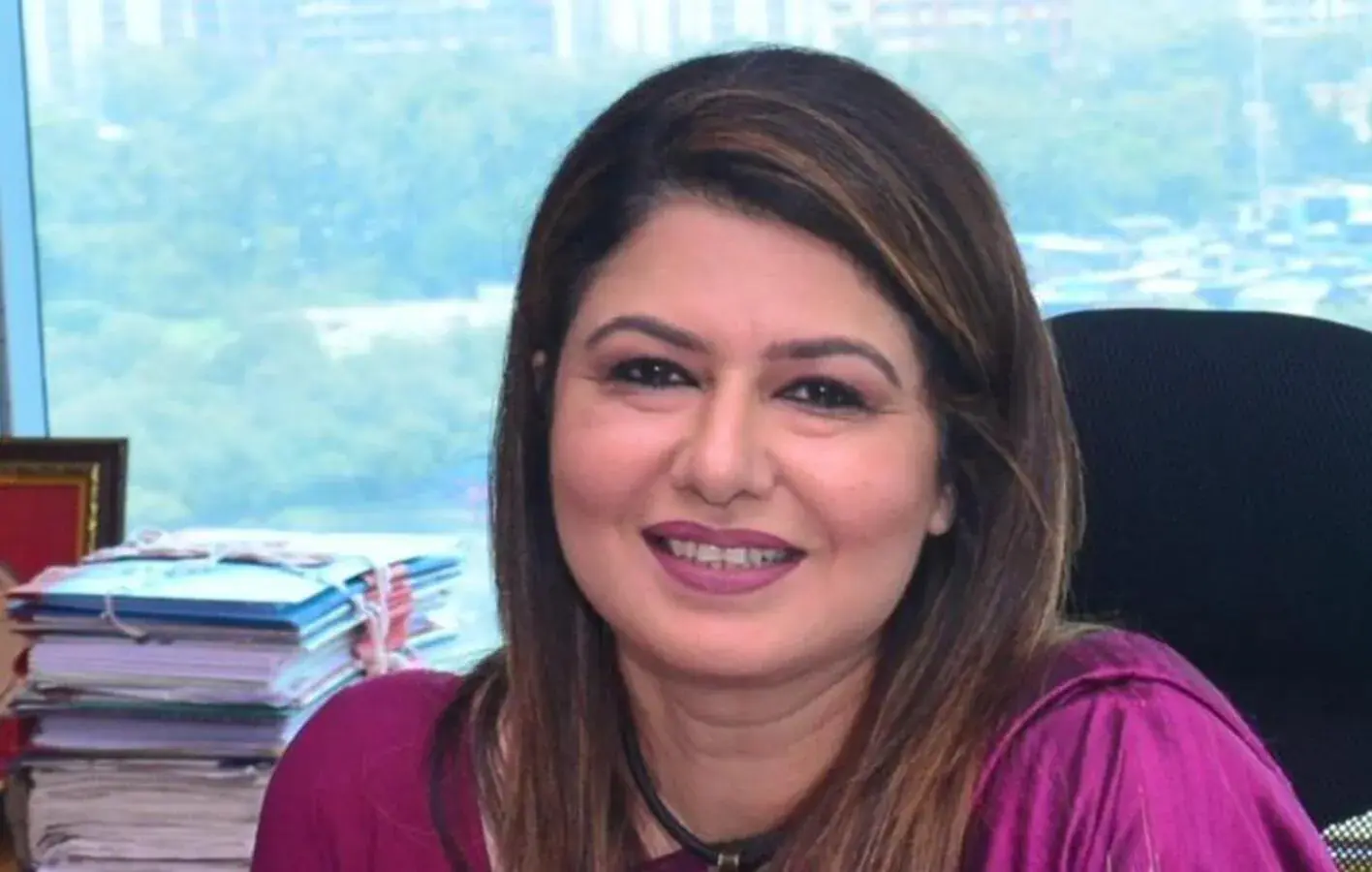
Mumbai’s transport undertaking has received a full-time leader after a gap of more than nine months, with the state government confirming the appointment of a new general manager for the Brihanmumbai Electric Supply and Transport (BEST) undertaking. The role, long left under temporary charge, has now been given full-time stewardship, bringing stability to the city’s key transport and electricity provider.
The post had been vacant since the transfer of the previous general manager in December 2024, following the Kurla bus accident that claimed seven lives and left dozens injured. Since then, multiple interim officers have held charge, reflecting the difficulties the administration has faced in finding a permanent appointee willing to take on the task. State officials indicated that reluctance among senior officers stemmed from the utility’s strained financial position. Until 2016, profits from BEST’s electricity supply division helped subsidise losses in the transport wing. That cross-subsidy mechanism was discontinued by the Maharashtra Electricity Regulatory Commission, leaving BEST dependent on mounting borrowings. In its current budget for FY 2025-26, the utility declared a cumulative liability of more than ₹9,200 crore across its transport and electricity divisions.
The scale of the challenge is daunting. BEST currently operates 2,783 buses, including 875 electric vehicles. While its electrification programme has positioned Mumbai as a leader in adopting clean public transport, the overall fleet size has contracted, limiting passenger capacity at a time when demand for affordable, sustainable mobility is growing. Urban experts argue that fleet expansion, financial restructuring, and efficiency reforms will be essential if the authority is to meet Mumbai’s long-term transport needs. The new appointee, a senior bureaucrat with extensive administrative experience, has been transferred from the state’s relief and rehabilitation department. While officials described the decision as routine, the timing has prompted debate, particularly as parts of Maharashtra continue to reel under flood damage. Critics have suggested that such a move risks slowing recovery operations in affected regions, while others maintain that leadership stability at BEST is equally critical for urban resilience.
Public transport analysts highlight that the appointment offers a crucial opportunity to reset priorities. Beyond addressing financial debt, the undertaking will need to integrate climate-sensitive planning, expand its electric bus programme, and ensure equitable access to transport across the city. The shift towards sustainable mobility is central to Mumbai’s broader goal of becoming a low-carbon metropolis, and BEST is positioned at the heart of that transition. With the appointment, Mumbai’s transport body now looks to navigate a future defined by financial discipline, technological adoption, and sustainability imperatives. For citizens, the expectation is simple: safer, more reliable, and greener buses that connect the city seamlessly. The coming months will test whether the new leadership can steer the organisation through its most challenging phase while safeguarding Mumbai’s long-term transport future.
Also Read: Mumbai Worli Dairy 15.8 acre Land Cleared For Redevelopment Into Financial Hub
