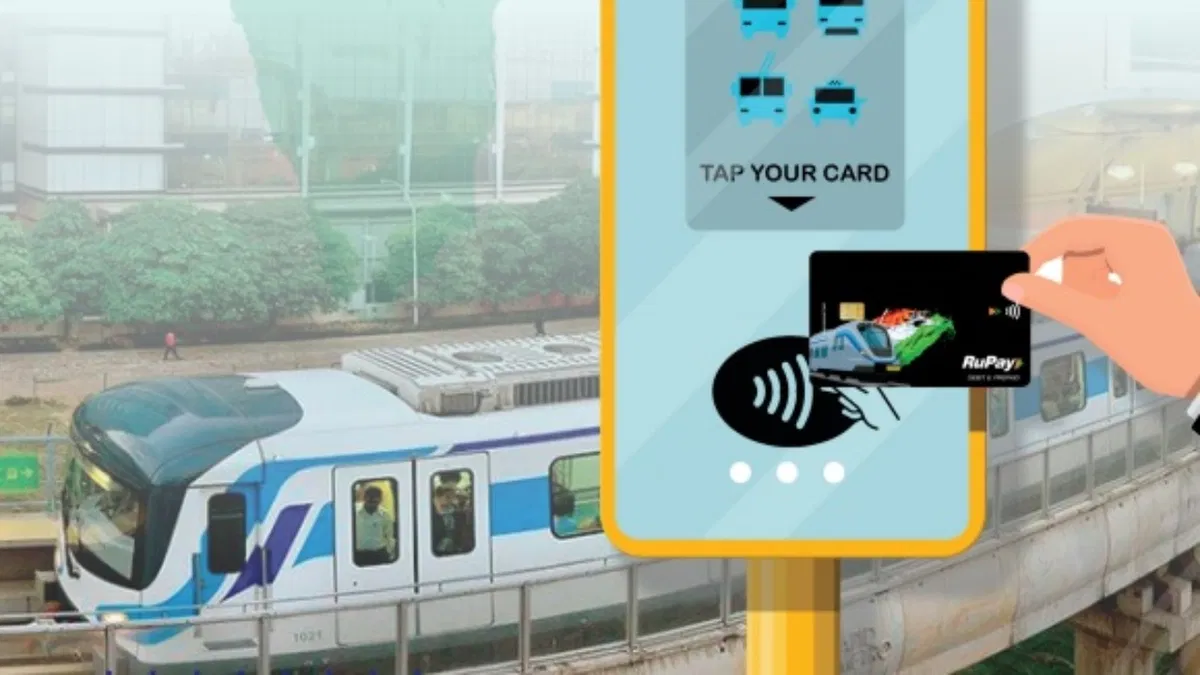
Delhi to Launch National Common Mobility Card for Seamless Travel
Travelling in Delhi is set for a major shift, as the city government prepares to launch a unified smart card that will enable commuters to access multiple modes of public transport with a single tap. Known as the National Common Mobility Card (NCMC), this system is designed to streamline travel while reducing dependence on paper tickets and plastic passes.
Officials have confirmed that the scheme is in its advanced stages, with the Delhi Transport Corporation (DTC) inviting bids from nationalised banks to issue colour-coded cards that will serve different categories of commuters. The system is expected to not only simplify travel but also support the city’s long-term vision of sustainable, gender-neutral and equitable public mobility.
The NCMC will be available in three variants pink for women and members of the transgender community, blue for all passengers, and orange as a monthly pass covering both general and concessional categories. Under the scheme, women will be able to continue availing free bus services with the pink card, while also using it for paid travel on metro and regional rail.The technology underpinning the system works on a prepaid, contactless model. Passengers will tap their card on electronic ticketing machines inside buses or metro gates, and the fare will be automatically deducted. Transaction data will be securely transmitted to back-end servers and banks to ensure transparent settlement. Officials said that safeguards, including regular inspections, are being put in place to prevent misuse of cards or malpractices in fare collection.
Applications for the card will be open to all bona fide residents of Delhi aged 12 years and above. Commuters will be able to obtain cards directly from designated bank branches or service centres, with provisions for instant issuance. Recharge options will be available online through internet banking, as well as at physical points of sale.For Delhi’s bus commuters, the new card could be transformative. Current ridership data indicates that an average of 14.25 lakh male passengers and 14.79 lakh female passengers use DTC and cluster buses daily. In addition, more than 10 lakh monthly passes are issued every year, suggesting significant demand for a system that reduces operational friction and enhances passenger convenience.
Transport experts note that Delhi’s adoption of NCMC also strengthens integration with the broader national vision of seamless mobility. Since the card is already operational in select Indian cities, passengers travelling beyond Delhi can use the same card across different networks, reducing the hassle of multiple tickets and creating a more interconnected mobility ecosystem.Officials emphasised that this transition will not only ease the commuter experience but also contribute towards building eco-friendly and carbon-efficient cities. By reducing paper ticketing and aligning with a digital-first approach, the move is expected to further Delhi’s commitments to sustainable urban development.The introduction of the NCMC marks a step towards modernising the capital’s public transport system, enhancing efficiency while placing equity and inclusivity at its core.