


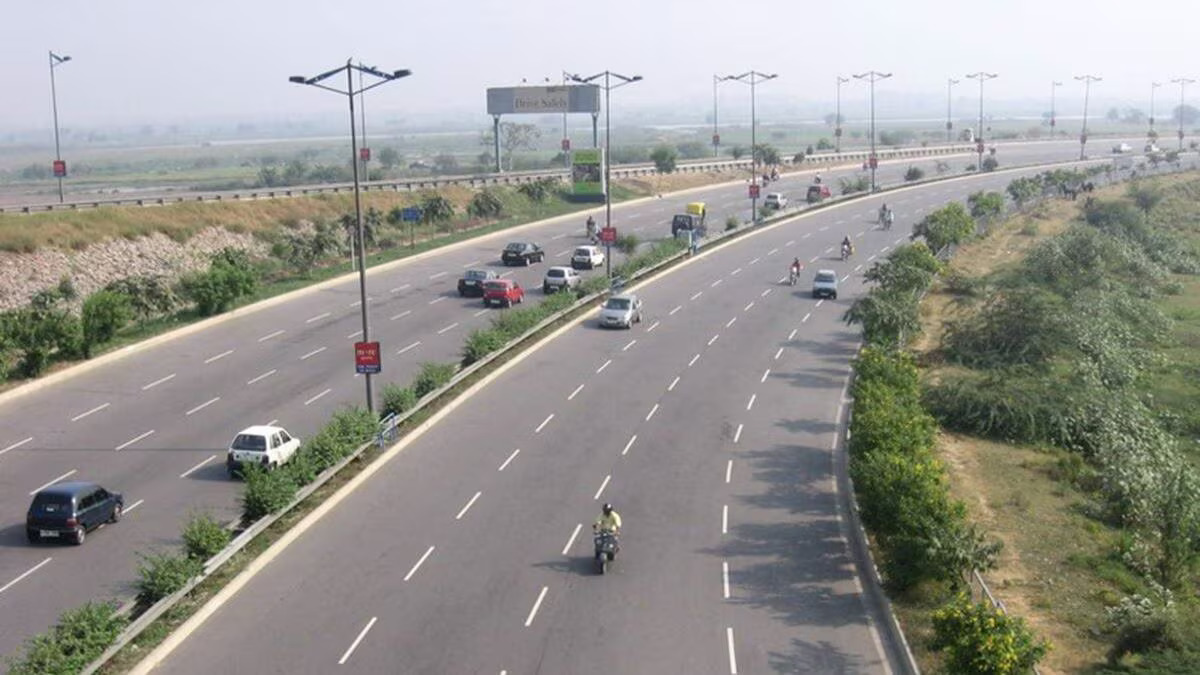
India is accelerating its efforts to construct a new generation of highways designed to international standards, integrating cutting-edge technologies and sustainable practices. Officials from the Ministry of Road Transport and Highways highlighted ongoing initiatives that not only enhance durability but also reduce environmental impact, addressing challenges from rainfall, floods, and cloudbursts.
Officials noted that modern construction practices are now incorporating treated sewage water, municipal solid waste, and industrial by-products like steel slag and fly ash into road projects. “Every day we adopt new technologies—from fly ash in cement to municipal solid waste—making roads stronger and more sustainable,” said a senior ministry official. A major innovation involves the use of waste plastic in road construction. By creating a specialised plastic layer within the asphalt, road lifespans can be extended by four to five years, while simultaneously utilising waste plastic that would otherwise burden landfills. Prefabricated road slabs are also being developed to ensure rapid, uniform construction, with factory-made slabs tested to exact standards before installation.
On high-profile projects such as the Delhi-Mumbai Expressway and Ahmedabad-Dholera Highway, nearly 80 lakh tonnes of solid waste have already been repurposed in road building. Officials revealed plans to fully utilise municipal waste in highway construction across India by 2027, aiming to reduce urban pollution while strengthening infrastructure. Water conservation has become a key element of the ministry’s strategy. Treated sewage water is now being utilised in construction, with projects generating revenue while reducing reliance on potable water. Small-scale sewage treatment plants are being set up to facilitate the use of treated water, particularly in areas where conventional water resources are limited.
Environmental sustainability is being further reinforced through large-scale tree planting and transplantation initiatives. More than five crore trees have been planted, and over 20 lakh trees successfully relocated to accommodate infrastructure development. Bamboo is being employed as an eco-friendly alternative for crash barriers, with 80 km already installed, offering strength comparable to steel while being locally sourced from the Northeast. Energy efficiency initiatives complement these measures. Stubble previously burned by farmers is now being converted into bio-CNG, with bio-bitumen refineries operational in states including Punjab, Haryana, and Western Uttar Pradesh. This approach not only mitigates pollution but transforms farmers into energy contributors, supporting a circular economy.
Drainage design has also been prioritised to prevent waterlogging and extend road durability. Precast drains and stormwater channels are now mandatory for concrete road projects, ensuring that infrastructure withstands extreme weather events. Through these interventions, India is setting a benchmark for sustainable, technologically advanced highways, demonstrating that infrastructure development can be both resilient and environmentally responsible.
Also Read : Mumbai Water Stock Reaches 99 Percent Seven Lakes, No Cuts Planned
