


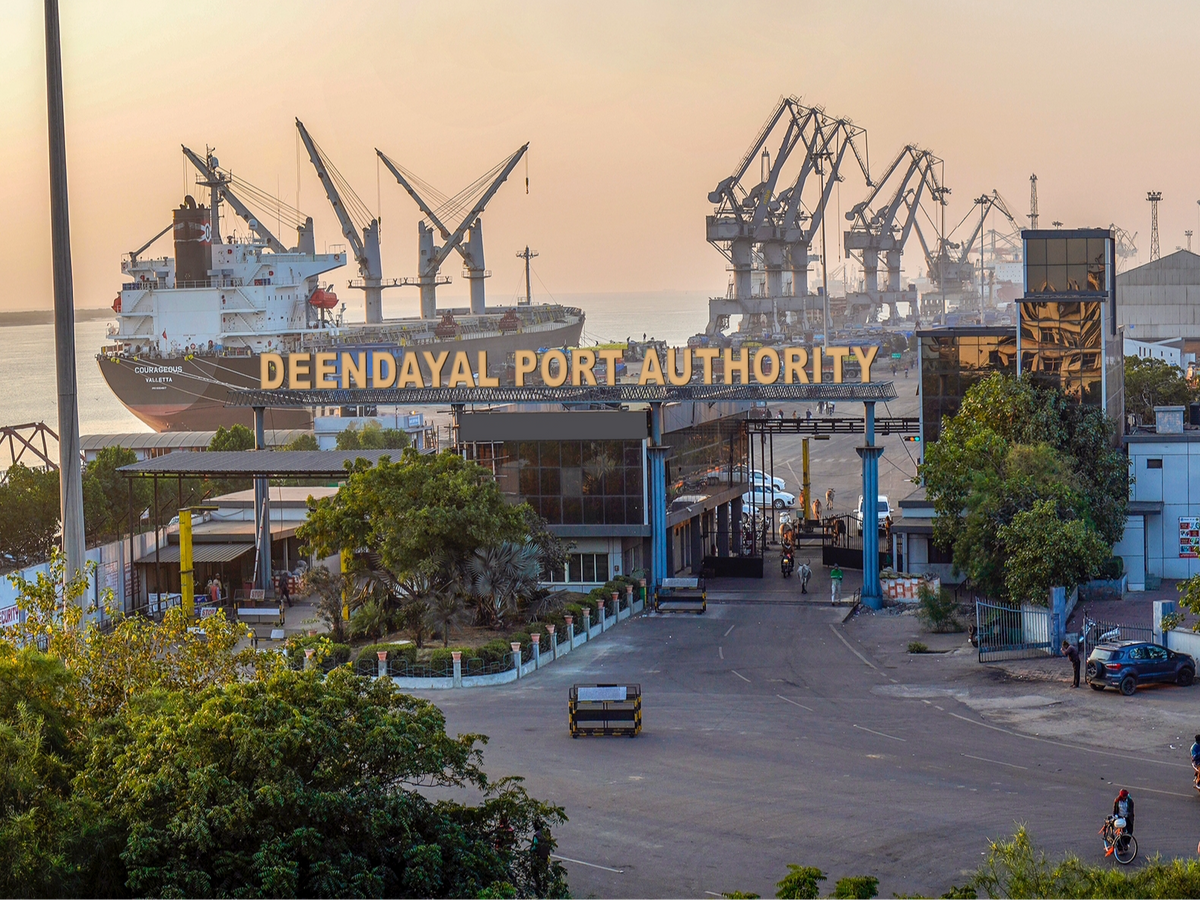
Kandla Port, officially known as Deendayal Port, is set to become the first major Indian port to expand its operational footprint beyond Gujarat, signalling a transformative move in India’s maritime logistics sector. Officials at the Deendayal Port Authority (DPA) confirmed discussions with strategic terminals in Maharashtra and Karnataka, aiming to replicate Kandla’s operational efficiency and streamline national cargo handling.
The expansion will initially focus on terminal management, with potential to extend into full-scale port operations over time. Authorities highlighted that DPA’s approach is ownership-agnostic, encompassing both government-run and private facilities, ensuring flexibility in partnerships and operational scalability. This strategic initiative is expected to enhance throughput, reduce congestion at existing ports, and transfer best practices across regional terminals. Kandla Port has emerged as a crucial node in India’s trade ecosystem, handling over 150 million metric tonnes (MMT) of cargo in the last fiscal year. Roughly 60 per cent of this cargo comprises petroleum, oil, and lubricants, while the remainder includes timber, salt, food grains, edible oils, chemicals, and container exports. Experts suggest that replicating Kandla’s operational model in other states will provide a significant boost to export-oriented sectors and support equitable regional economic growth.
To accommodate growing volumes, DPA is investing in modern infrastructure. A deep-draft multi-cargo berth with an annual capacity of 18 MMT is under construction to handle dry bulk, project cargo, and break-bulk shipments. Additionally, a new 2.3 million TEU container terminal is being developed under a public-private partnership, with commissioning anticipated by September 2027. Officials emphasised that these developments are aligned with India’s broader objectives of zero-carbon and sustainable port operations, incorporating energy-efficient practices and smart cargo handling technologies. Maritime analysts point out that this expansion will not only improve logistical efficiency but also create opportunities for regional skill development and job creation. By standardising operational practices across ports, DPA aims to support eco-friendly transport solutions and strengthen India’s position in global trade networks. Experts also highlighted that collaboration between government and private stakeholders will be crucial in ensuring high-quality infrastructure and maintaining sustainable operations.
The Kandla initiative marks a significant step in India’s ongoing port modernisation strategy, which prioritises decongestion, environmental compliance, and technological upgrades. Officials noted that by sharing operational expertise and replicating best practices, other ports can enhance cargo handling, optimise turnaround times, and reduce carbon footprints, contributing to more sustainable maritime trade. As the Indian government continues to prioritise export growth, smart infrastructure, and regional connectivity, the Kandla Port expansion could serve as a model for other ports looking to scale operations beyond state boundaries. Stakeholders expect that this initiative will strengthen India’s export ecosystem while supporting equitable economic development across states.
Also Read : Delhi Metro Ticketing Starts On Trains App Via ONDC Tie-Up
