


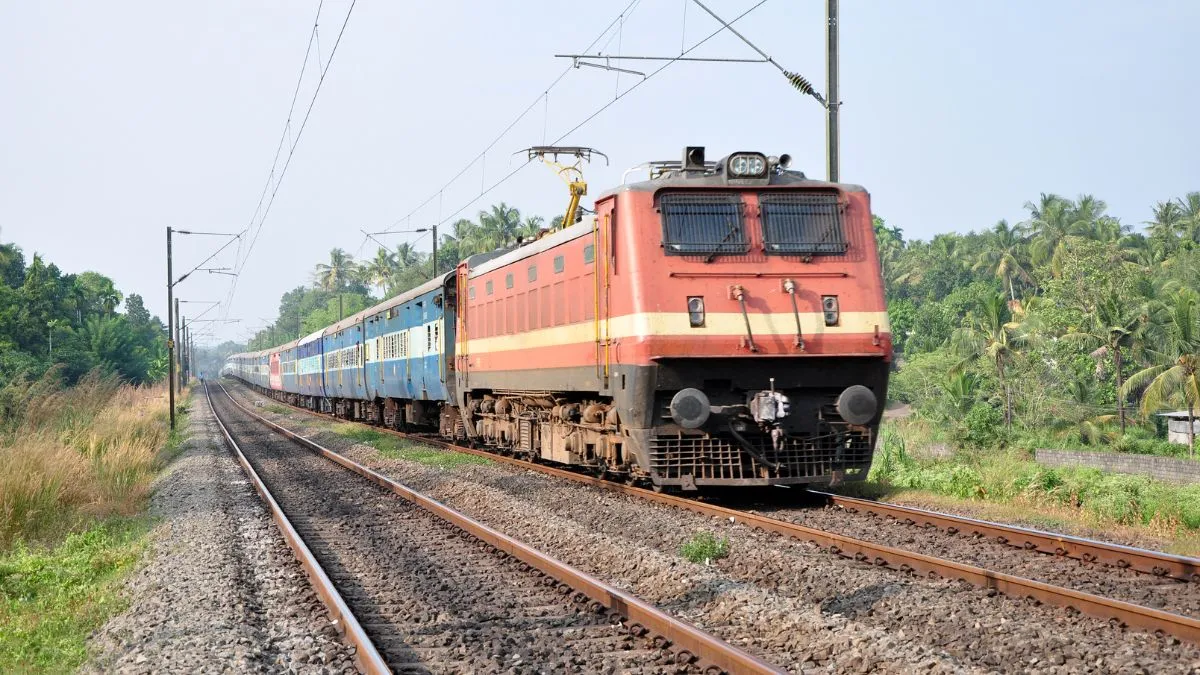
Indian Railways has announced the launch of nine additional pairs of festival special trains under the East Central Railway (ECR) zone, stepping up efforts to address the anticipated surge in passenger traffic during the festive season. This move comes alongside the 10 pairs of trains already introduced earlier, strengthening connectivity on high-demand routes linking the national capital with major cities in Bihar, Jharkhand, West Bengal and beyond.
Officials from the railway administration confirmed that the extra trains will operate across critical corridors such as New Delhi–Patna, Anand Vihar–Patliputra, New Delhi–Hasanpur Road, Chandigarh–Patna, New Delhi–Howrah, Ajmer–Ranchi, Mau–Kolkata, Durg–Patna and Gondia–Patna. The services will begin from the third week of September and continue until late November or early December, depending on the specific route, ensuring sustained relief during the peak festive travel period. The Hazrat Nizamuddin–Patna service, for instance, will run daily between September 21 and November 30, departing the capital mid-morning and reaching Patna early the next day. Its return journey will also follow a daily schedule. Similarly, the Anand Vihar–Patliputra service has been designed to ease congestion on the heavily used north India–Bihar corridor, with overnight timings tailored to commuter demand.
Officials explained that the Chandigarh–Patna and New Delhi–Hasanpur Road trains are particularly aimed at decongesting routes connecting Punjab, Haryana and the capital with eastern states, which witness exceptional passenger pressure during Durga Puja, Diwali and Chhath. Meanwhile, the New Delhi–Howrah daily special, operating via Asansol, Dhanbad, Gaya and Prayagraj, will reinforce one of the busiest national routes. Railway experts pointed out that the inclusion of trains such as Ajmer–Ranchi and Mau–Kolkata reflects the administration’s focus on extending festive mobility benefits beyond metro cities to Tier-II and Tier-III centres, where demand has been steadily rising. With these services, travellers from smaller cities will have better access to long-distance connections without excessive reliance on waitlisted tickets or unsafe unreserved compartments.
In addition to passenger convenience, the enhanced festive operations are being viewed as part of the broader sustainable mobility push. Encouraging travellers to use long-distance trains instead of private vehicles or short-haul air travel not only eases congestion on highways but also contributes to lowering carbon emissions per passenger kilometre. Officials noted that this aligns with the government’s long-term climate commitments and the railways’ vision of building a greener transport backbone. Authorities have emphasised that safety and passenger welfare remain top priorities. Adequate staffing, security deployments and crowd management measures will be put in place at major junctions to handle the sharp rise in footfalls. The railways also advised passengers to book tickets early through authorised channels to avoid last-minute rush and possible exploitation by touts.
With the festival calendar stretching from Durga Puja to Chhath, this expansion underscores the railways’ attempt to balance demand and supply, while embedding sustainability in its operational choices. For millions of families across eastern and northern India, these additional trains promise not just smoother travel but also more inclusive connectivity during the country’s most significant cultural celebrations.
Also Read : Hyderabad Metro Offers Extra Services For Ganesh Immersion Crowds Till 1 AM
