


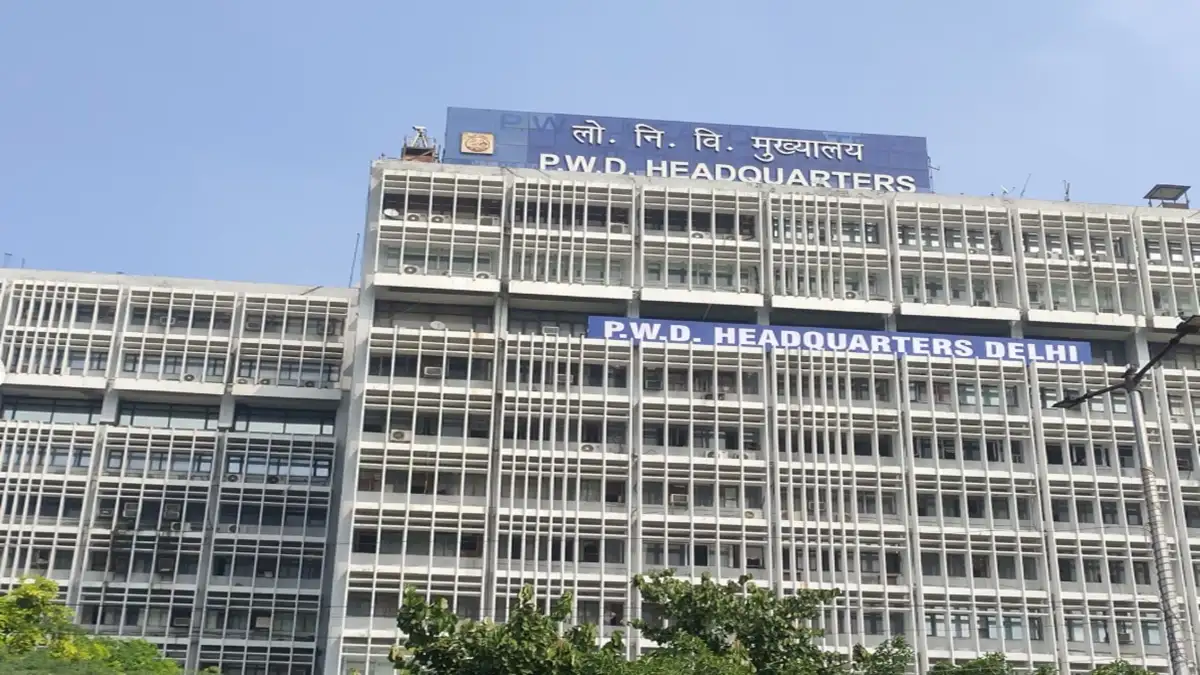
The Public Works Department (PWD) has moved forward with an ambitious plan to redevelop seven government housing colonies across Delhi under the public–private partnership (PPP) model, signalling a fresh phase in the capital’s urban transformation. The initiative aims to modernise ageing residential quarters and optimise scarce public land by integrating eco-friendly design, commercial viability and long-term sustainability.
Officials confirmed that the colonies chosen for redevelopment include locations in Vikas Bhawan at ITO, Timarpur, Gulabi Bagh, Kalyanvas, Probyn Road, Sindhora Khurd, Sindhora Kalan and Bahapur. Together, these sites represent some of the city’s oldest residential clusters, many of which are in deteriorating condition and no longer meet modern housing standards.According to project insiders, the redevelopment plan is expected to follow a self-financing approach under the PPP model, where costs will be recovered by allowing private developers to build offices, retail outlets and possibly sell surplus land parcels. A senior official stated that proposals are being coordinated with a central public sector undertaking specialising in large-scale housing redevelopment.
Also Watch : An Exclusive Interview with Sanjeev Jaiswal (IAS), CEO MHADA
The Gulabi Bagh, Sindhora Khurd and Sindhora Kalan areas in North Delhi alone have around 1,200 government quarters ranging from type 1 to type 3 categories. Similarly, in East Delhi’s Kalyanvas colony, around 70 type 2 flats are included in the plan. At Timarpur and Probyn Road near Civil Lines, almost 100 quarters of type 3 and type 5 housing are expected to be rebuilt. Vikas Bhawan at ITO, which houses major government departments, is the largest among the selected sites and is slated to be redeveloped into a modern mixed-use complex.
Experts highlight that this project reflects a larger policy push to replace outdated housing blocks with sustainable infrastructure while reducing the burden on government finances. “The focus is on zero net carbon construction, energy efficiency and creating an equitable mix of residential and commercial use,” noted an official familiar with the matter.Delhi has previously witnessed similar redevelopment projects where obsolete colonies were transformed into high-rise complexes with modern facilities. However, those projects also raised concerns over environmental impact and displacement. Officials this time stress that the new round of redevelopment will embed sustainability principles, including improved waste management, green energy integration and gender-neutral design in public spaces.
If executed effectively, the initiative could reshape Delhi’s urban landscape by creating resilient housing, unlocking under-utilised land and aligning public projects with India’s sustainability goals. For residents of these colonies, many of whom have lived in deteriorating housing for decades, the prospect of moving into modern, eco-friendly quarters holds both promise and expectation.
