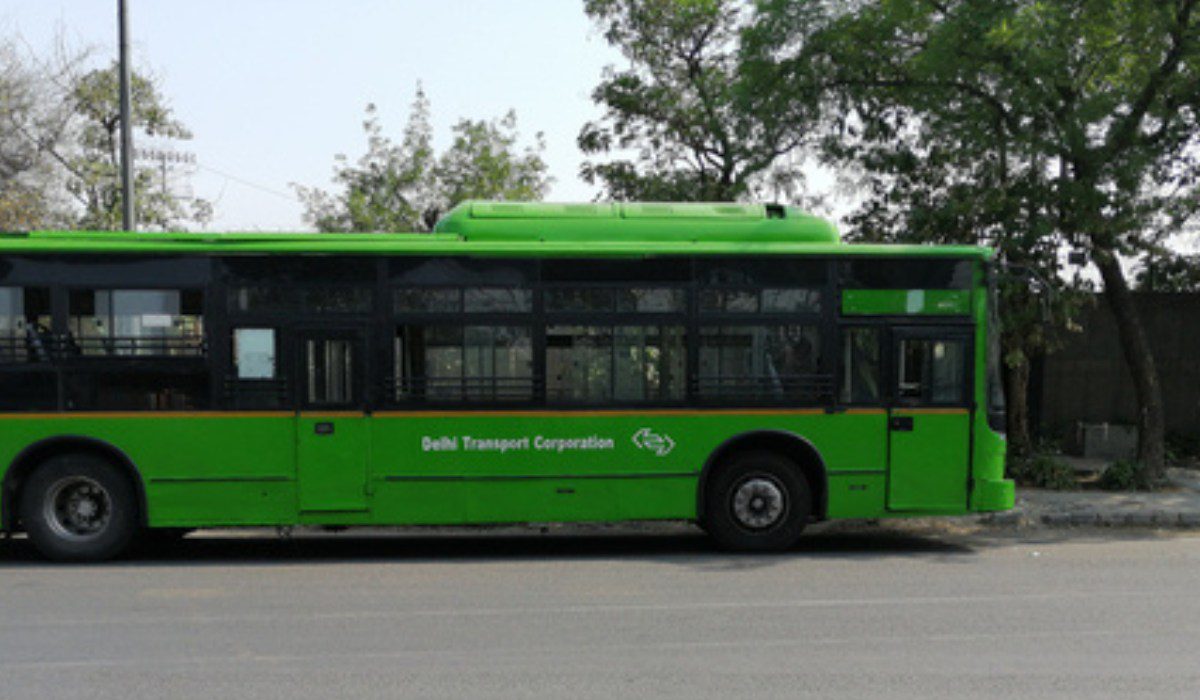
Delhi starts installing bus route maps at trans Yamuna shelters
Delhi’s transport department has launched a long-awaited initiative to install route maps at bus queue shelters, beginning with trans-Yamuna areas. The move, aimed at simplifying travel for millions of daily bus commuters, marks a significant step towards modernising the city’s surface transport infrastructure.
Officials confirmed that over 3.5 million people use Delhi’s buses daily, yet the lack of route information at shelters has long been a stumbling block. Passengers often relied on drivers, conductors or fellow commuters to find their way, resulting in delays and confusion. The new boards are expected to provide clear details of all bus routes halting at a given shelter, along with information on origin, destination, frequency, and interchange points.The initial phase, allocated ₹62 lakh, will focus on East Delhi and adjoining trans-Yamuna neighbourhoods, where bus dependency is highest. Officials explained that this pilot is intended to address urgent commuter needs before the project is scaled up across the city’s 4,000-plus bus queue shelters. Each signboard will be made of durable, weather-resistant material suitable for Delhi’s climate, and will include a maintenance plan to ensure accuracy and visibility.
The initiative is not entirely new. In 2023, route maps were installed at around 300 stops through a collaboration with the Delhi Metro Rail Corporation. The government had earmarked ₹27 crore for wider rollout, but the plan stalled midway. This fresh tender, however, aims to revive and standardise the process citywide.Transport planners point out that while route signage may seem basic, it plays a vital role in ensuring accessibility and commuter confidence. Clear wayfinding supports equitable mobility, particularly for women, senior citizens, differently abled passengers, and new users unfamiliar with bus networks. Officials also hinted at future upgrades, including digital passenger information systems and integration with mobile apps, which could align Delhi’s bus services with global best practices.
The government is simultaneously working on improving bus queue shelters with enhanced seating, lighting, and accessibility features. Officials stressed that a rationalised and modernised shelter network is central to encouraging public transport use, a critical requirement for reducing vehicular congestion and meeting Delhi’s climate commitments.Experts believe that if implemented with consistency, the initiative could significantly boost bus ridership, reduce dependence on private vehicles, and contribute to Delhi’s broader sustainable mobility vision. For a city striving towards equitable and eco-friendly growth, such commuter-centric interventions are not just overdue but indispensable.