


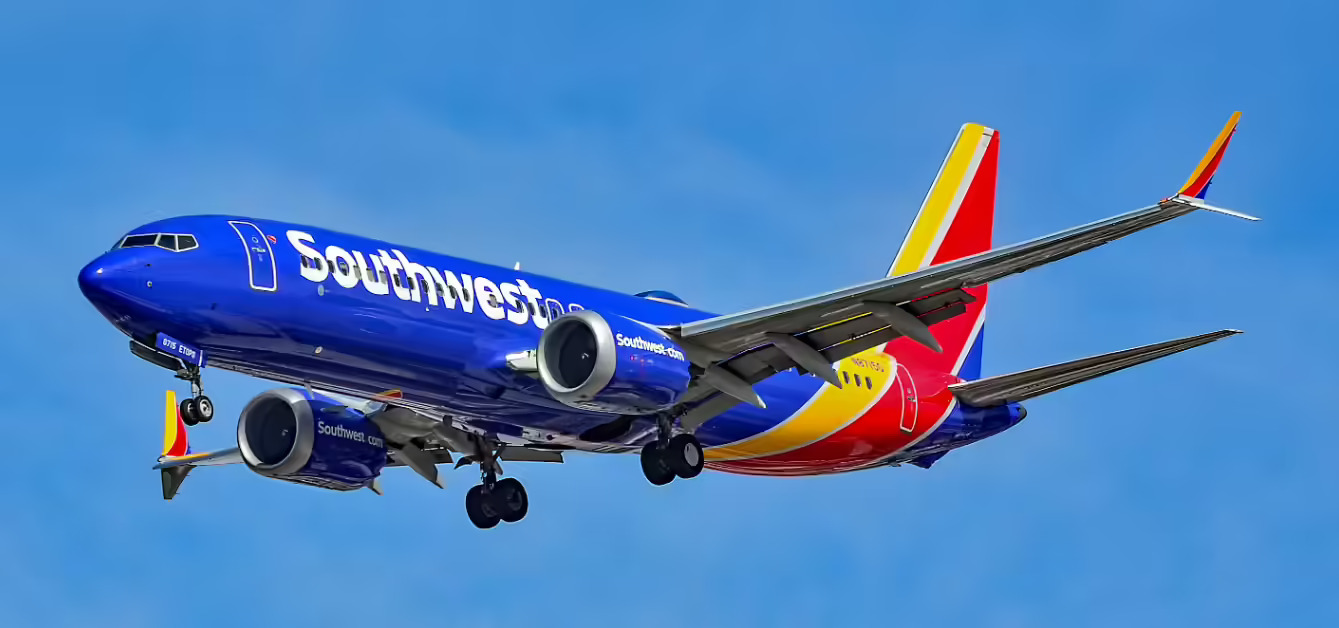
Southwest Airlines has become the first American carrier to fly a commercial aircraft equipped with a secondary cockpit barrier, a move aviation experts believe will set a precedent for safer skies. The maiden flight of the Boeing 737 MAX 8 took off from Phoenix to Denver, carrying with it the beginning of a fresh chapter in airline security.
The installation of secondary cockpit barriers has been one of the most debated safety reforms in US aviation since the September 11 attacks revealed the vulnerabilities of flight deck access. Unlike reinforced cockpit doors that became mandatory two decades ago, these additional physical barriers provide an extra layer of protection when cockpit doors are opened during service. Pilots’ unions and security specialists have long argued that such a mechanism is vital to deter unauthorised intrusion. Regulators have gradually moved towards mandating the measure. The Federal Aviation Administration (FAA) in 2023 finalised a rule requiring aircraft manufacturers to install the barriers in newly delivered commercial planes. While airlines have been given until mid-2026 to fully comply, Southwest has chosen to fast-track adoption, a decision seen as both strategic and responsible. The airline confirmed it expects around 25 new Boeing deliveries this year, all equipped with the upgraded feature.
Aviation analysts suggest that Southwest’s early compliance offers it both reputational strength and operational confidence at a time when passengers are increasingly conscious of in-flight security. By deploying the barriers ahead of schedule, the airline positions itself as an industry frontrunner in aligning with global best practices in aviation safety. Manufacturers too have aligned with the new norm. Both Boeing and Airbus have begun delivering jets that meet the FAA requirement, marking the start of a phased transformation across the American fleet. However, the regulation does not extend to retrofitting existing aircraft, leaving a significant portion of current fleets without the protection unless carriers voluntarily invest in upgrades.
For the broader aviation sector, the rollout carries symbolic weight. It reflects an industry that is steadily integrating lessons from past vulnerabilities while balancing regulatory flexibility and operational realities. Experts argue that ensuring cockpit integrity is not only a matter of passenger confidence but also a critical step in building resilient, sustainable aviation systems. The Phoenix–Denver journey may appear routine on flight trackers, but industry watchers see it as a milestone. By placing cockpit safety squarely at the forefront, airlines like Southwest are signalling that aviation security reforms are no longer reactive measures, but proactive commitments to safer and more secure skies.
Also Read : Air India Plane Makes Emergency Return Following Engine Fire Alarm Mid-Air
