


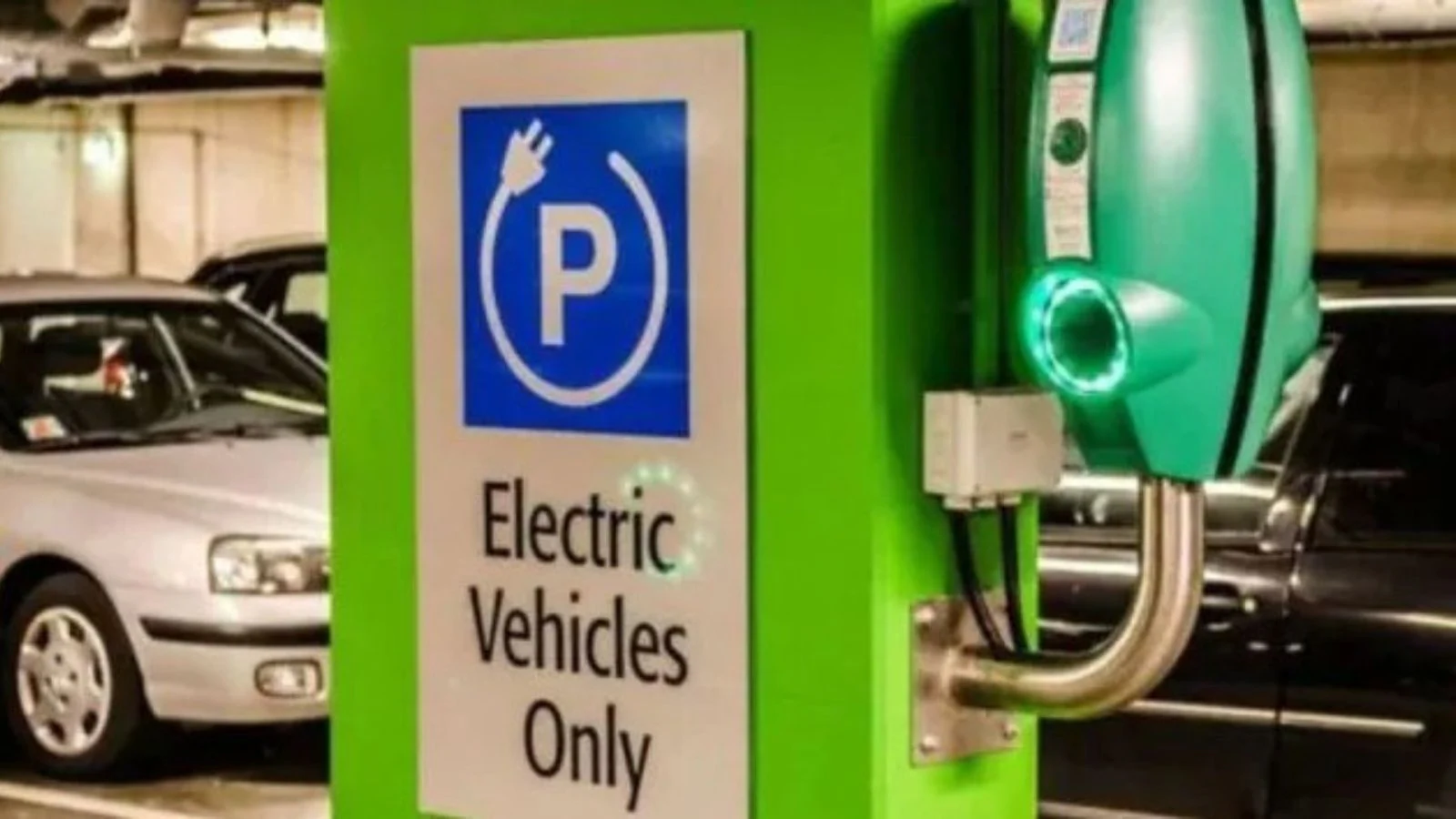
The Mumbai-Pune Expressway, India’s busiest access-controlled highway, is set for a significant green push with the installation of eight additional electric vehicle (EV) charging stations by the year’s end. The decision comes amid soaring EV registrations in Maharashtra, which already counts more than 5.58 lakh electric vehicles on its roads, according to the Ministry of Road Transport and Highways’ Vahan portal.
At present, the 94.5-km corridor has only five operational charging points, a number commuters say is woefully inadequate given the exponential growth in EV adoption. With an estimated 1.4 lakh vehicles traversing the expressway daily, the gap between charging demand and supply has been widening, often leaving EV drivers anxious about range limitations. A senior Maharashtra State Road Development Corporation (MSRDC) official confirmed that detailed studies are underway to finalise the placement of the new stations. “The aim is to ensure that charging points are well distributed along the stretch, offering convenience to long-distance travellers and encouraging more users to opt for clean mobility,” the official explained. Another survey is examining traffic flow and future demand forecasts to align infrastructure with growth projections.
In a bid to further incentivise the transition towards sustainable transport, the state government has already announced toll exemptions for EVs on intercity highways including the Mumbai-Pune Expressway, Samruddhi Mahamarg, and Atal Setu. However, concerns remain about the reliability of the existing facilities, with several commuters reporting that charging stations are often non-functional or poorly maintained. Industry experts argue that addressing this infrastructure lag is critical not only to support growing EV adoption but also to meet the state’s long-term vision of building carbon-neutral highways. Plans are being drawn up to develop these facilities under public-private partnerships and integrate renewable energy sources such as solar power, thereby creating a more resilient and sustainable ecosystem.
The expansion of EV charging infrastructure is expected to provide a psychological boost to potential buyers who remain wary about range anxiety, particularly on long intercity commutes. For daily commuters between Mumbai and Pune, the availability of dependable charging facilities could reduce dependence on fossil-fuelled vehicles, directly contributing to reduced vehicular emissions and cleaner air along the busy corridor. While the move has been welcomed by mobility experts and environmentalists, its success will hinge on execution. Timely completion and robust maintenance of these charging stations are paramount to ensuring the infrastructure keeps pace with demand. For now, the announcement signals a step forward in Maharashtra’s ambition to lead India’s electric mobility revolution.
Also Read : Bengaluru Metro Yellow Line Sees 60,000 Ridership Despite Low Service Frequency
