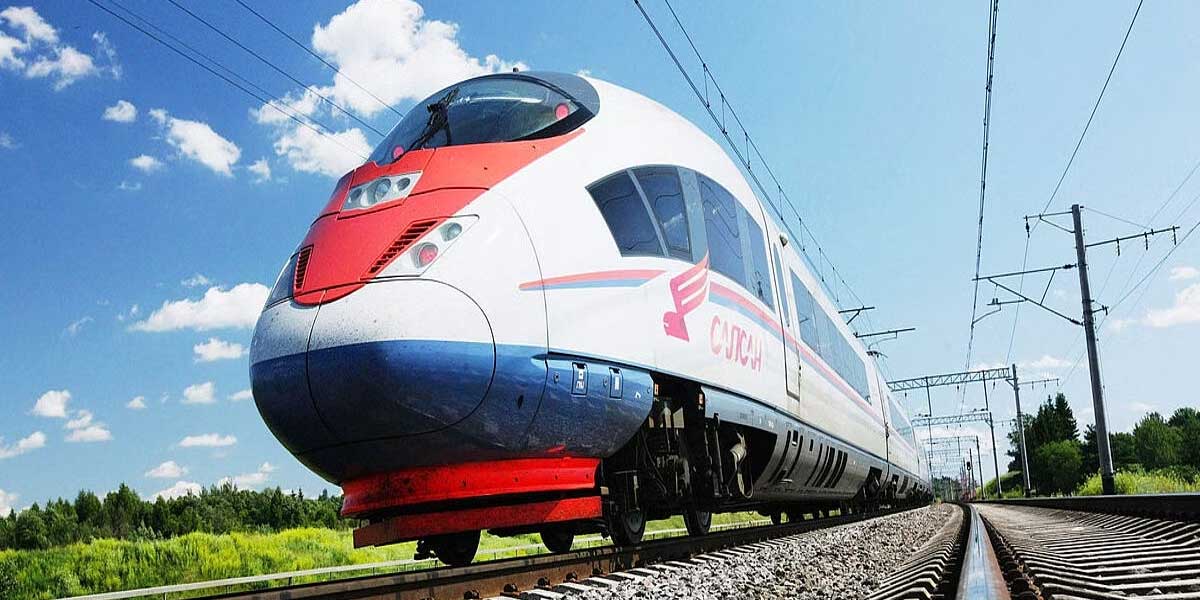
Indias Bullet Train Project Advances with Japanese Technology
India’s ambition to modernise its railway infrastructure has taken a significant leap forward with the adoption of advanced Japanese bullet train technology. The strategic collaboration between the two nations is set to introduce a high-speed railway system that promises not just faster travel but also an elevated standard of safety and operational efficiency. This technological infusion, symbolising a deepening of bilateral ties, is poised to redefine the future of rail travel and propel India into an elite league of nations with advanced high-speed rail capabilities.
The cornerstone of this ambitious project is the E10 series train, developed by a leading Japanese railway company. While maintaining a high operational speed of 320 kilometres per hour, the train features a critical safety enhancement: an improved emergency braking system that reduces stopping distances by approximately 15 per cent. This innovation is pivotal for a nation with high population density and complex rail networks, ensuring a more secure and stable transportation system. The adoption of this technology underscores a firm commitment to public safety and sustainable urban mobility, providing a reliable and eco-friendly alternative to more carbon-intensive forms of long-distance transport.
Beyond the hardware, the project is a testament to an enriching technological exchange and a commitment to equitable skill development. A cohort of Indian railway personnel has already undergone intensive conductor training in Japan, signalling a comprehensive approach to technology transfer and capacity building. This partnership extends beyond infrastructure development; it is an investment in human capital, ensuring that the operation and maintenance of this next-generation system will be handled by a highly-trained, gender-neutral workforce. Such initiatives are crucial for building an inclusive and sustainable urban framework that benefits all sections of society by providing access to world-class public transport.
The E10 series is based on technology from the cutting-edge Alfa-X experimental train, which is being developed for driverless operations and even higher speeds. This technological lineage ensures that the Indian system is future-proof, allowing for the seamless integration of high-bandwidth, next-generation systems as they become commercially viable. While the commercial launch of the E10 series in Japan is anticipated by 2030, India’s proactive engagement places it in a prime position to leverage this expertise, becoming only the second nation in the region after Taiwan to adopt this specific high-speed rail technology.
The project represents a powerful confluence of engineering prowess, strategic economic policy, and international cooperation. It signifies a move towards a zero-net carbon future for travel and highlights the role of modern infrastructure in fostering more connected and sustainable cities. As the nation embarks on this transformative journey, the focus remains on ensuring the project not only meets its technical milestones but also serves as a model for how large-scale infrastructure projects can be implemented with a strong emphasis on safety, sustainability, and social equity. This forward-looking approach is expected to set a new benchmark for railway development globally.