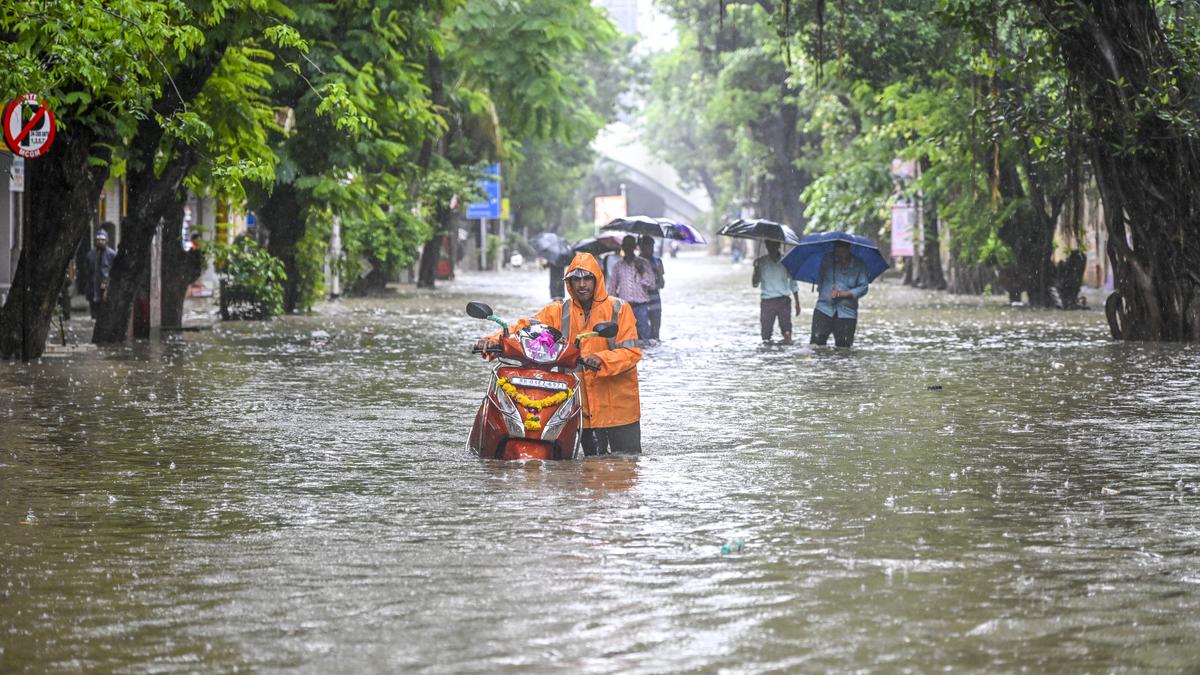
Latur And Nanded Face Monsoon Havoc, Daily Life Disrupted By Rains
The heartland of Maharashtra is grappling with a severe monsoon crisis as relentless downpours have brought life to a standstill in Latur and Nanded districts. The widespread deluge has exposed the profound vulnerability of local infrastructure and communities to extreme weather, underscoring the urgent need for a new era of climate-resilient and sustainable urban planning. Officials confirmed that the severe flooding prompted a widespread emergency response, highlighting the human cost of climate volatility and the challenges faced in protecting equitable access to basic services.
In Latur alone, the torrential rains have affected 29 out of 60 revenue circles, leading to the closure of essential roads and bridges. This disruption has not only paralysed daily commutes but also jeopardised access for emergency services and supply chains. In a proactive measure to ensure child safety, the local administration declared school holidays for all students from Class 1 to 12. Amidst the chaos, countless individuals found themselves trapped, necessitating a heroic, grassroots rescue effort by local villagers alongside disaster relief teams. The immediate response, while vital, serves as a poignant reminder that while human solidarity can be a powerful force, it cannot substitute for robust, modern infrastructure.
The crisis in Nanded district is similarly grave, with overflow from irrigation reservoirs exacerbating the situation. This controlled release of water, while necessary for dam safety, places immense pressure on downstream communities and ecosystems. The situation highlights the critical need for an integrated water management strategy that not only considers the needs of large-scale infrastructure but also the safety and well-being of the surrounding communities. Experts argue that building zero net carbon cities requires a fundamental rethinking of such systems, advocating for eco-friendly solutions like permeable urban surfaces and green infrastructure that can better absorb rainwater and mitigate flood risks.
The recurring nature of these monsoon-induced disasters calls for a paradigm shift in the city’s approach to development. Beyond immediate relief, there must be a long-term commitment to creating gender-neutral and equitable cities that are fortified against future climate shocks. This includes investing in early warning systems, strengthening public infrastructure with resilient materials, and ensuring that all residents, regardless of their socio-economic status, have access to safe havens during emergencies. The current state of affairs is a powerful emotional appeal for policymakers to prioritize people-centric, sustainable solutions over reactive and short-sighted measures.
The challenges in Latur and Nanded are not isolated incidents but a microcosm of the broader vulnerabilities faced by many Indian cities. The crisis serves as a wake-up call, urging a concerted effort from all stakeholders—from government officials and urban planners to corporate leaders and citizens—to build a future where our cities are not just prosperous, but also safe, sustainable, and truly equitable for all.