


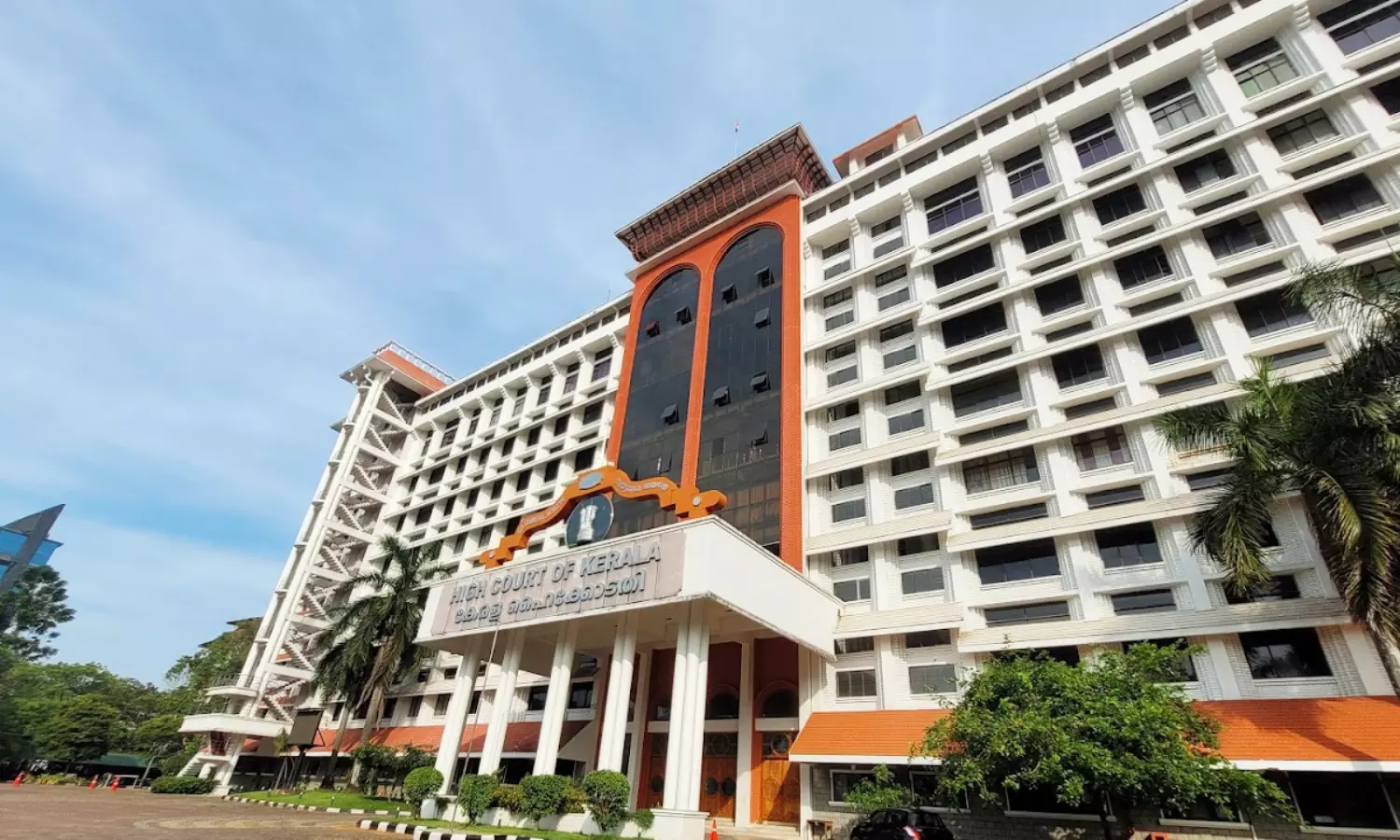
Kochi’s fragile drainage network, once brutally exposed during the devastating 2018 floods, has once again drawn judicial scrutiny. The Kerala High Court has issued a firm directive to continue monitoring and upkeep of the city’s drainage and canal systems through a high-level committee, reaffirming the urgent need for sustained flood management in one of India’s fastest growing urban hubs.
The Court underscored that the deluge of 2018 was not merely a natural disaster but a warning signal of systemic neglect. The city’s clogged canals, unchecked dumping of waste, and inadequate maintenance had amplified the scale of destruction. In the Court’s words, the episode became an “eye-opener” on how fragile infrastructure and poor urban planning can magnify the effects of climate shocks.At the heart of the case lies the Perandoor Canal, historically a lifeline for Kochi’s drainage. Years of encroachment, unregulated dumping of garbage, and rampant growth of water hyacinth had turned it into a stagnant drain. Despite interim measures, repeated inundations continued to disrupt daily life and damage livelihoods, exposing the lack of accountability in urban management.
Also Watch: An Exclusive Interview with Sanjeev Jaiswal (IAS), CEO MHADA
The judicially appointed committee, which had earlier intervened to clear blockages and coordinate dredging, was credited with reducing flood damage in recent years. The Court has now directed that this panel continue its oversight, convene regular meetings, and file monthly reports. Its mandate will include supervising dredging operations, ensuring reconstruction of culverts by railway authorities, advancing works under “Operation Breakthrough”, and preparing an annual calendar for canal cleaning.Despite these interventions, the Court expressed deep concern that irresponsible dumping persists.
Eateries and commercial outlets along MG Road, it observed, continue to dispose of waste into storm drains, directly undermining official efforts. The Court called such conduct “perplexing”, noting that civic participation is essential if engineering fixes are to succeed.Beyond drainage maintenance, the Court also flagged the need for stricter compliance in waste management, particularly in the regulation of slaughterhouses and pollution control measures. These responsibilities, it said, would rest with the committee, but judicial monitoring would continue to ensure accountability.The ruling is a reminder that climate resilience cannot be built solely through court orders or engineering projects. Without a shift towards sustainable waste practices, transparent governance, and greater civic awareness, Kochi will remain vulnerable to inundation with every monsoon. For a city projected to be a key economic and tourism hub, its survival depends on embracing sustainability at every level of urban planning.
