


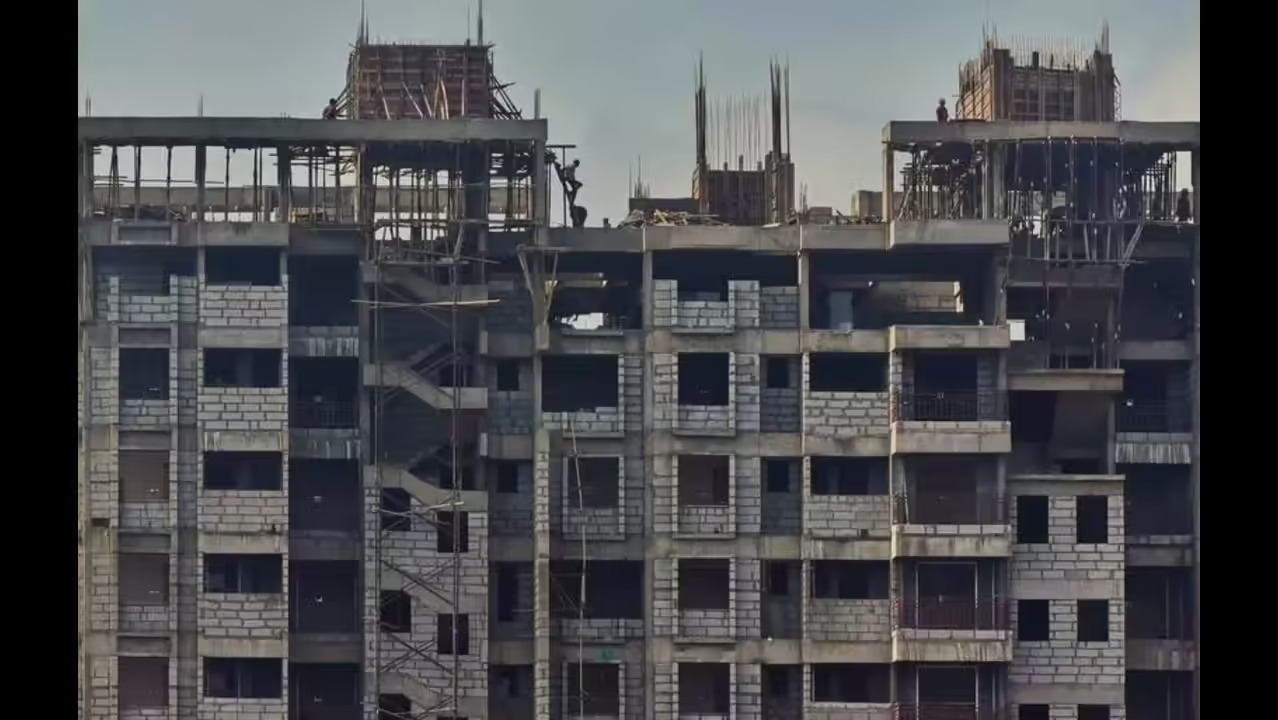
Pune Municipal Corporation (PMC) is moving decisively to tackle urban air pollution by setting up a dedicated task force to supervise sensor-based monitoring at construction sites. The initiative follows updated Maharashtra Pollution Control Board (MPCB) guidelines aimed at curbing airborne dust and particulate matter that pose significant health risks to residents.
PMC officials highlighted that the task force will operate at both ground and administrative levels, coordinating with developers and other stakeholders to ensure adherence to air quality norms. Data from multiple construction sites will feed into a centralised dashboard, enabling real-time monitoring of PM2.5 and PM10 particle concentrations. The latest Environmental Status Report (ESR) for 2024-25 revealed a worrying decline in air quality across Pune. “Good” and “satisfactory” Air Quality Index (AQI) days have fallen compared to the previous year, while moderate and very poor days have risen, reflecting increased exposure to hazardous fine particulate matter. PM10 particles, which are 10 micrometres in diameter and fine enough to lodge in the lungs, contribute to respiratory and cardiovascular ailments, with children, senior citizens, and asthma sufferers particularly at risk.
According to the ESR, Pune recorded 52 good and 137 satisfactory days in 2024-25, down from 79 and 145 respectively in 2023-24. Moderate AQI days rose from 140 to 174, while poor air quality days increased from one to three over the year. Experts emphasised that the main sources include construction dust, vehicle emissions, industrial activity, and waste burning. To mitigate these risks, PMC has mandated protective measures at construction sites, including fencing with 35ft-high tin sheets, covering work areas with green cloth or jute, and daily sprinkling of water to suppress dust. Sensor-based monitoring is expected to complement these measures by providing actionable data to enforce compliance.
Environmentalists welcomed the initiative, noting that a holistic approach targeting every source of pollution, including fossil fuel consumption and vehicular emissions, is critical. Experts also stressed the importance of promoting public transport as a sustainable strategy to reduce urban air pollution and ensure long-term health benefits for citizens. The task force is poised to act as a central pillar in Pune’s efforts to create a zero-carbon, sustainable, and equitable urban environment. Officials confirmed that developers have been briefed and initial inspections are underway, marking a significant step toward transparent and accountable urban environmental governance.
Also Read : Maharashtra Ghats Under Orange Alert As Floods And Lightning Claim Lives
