


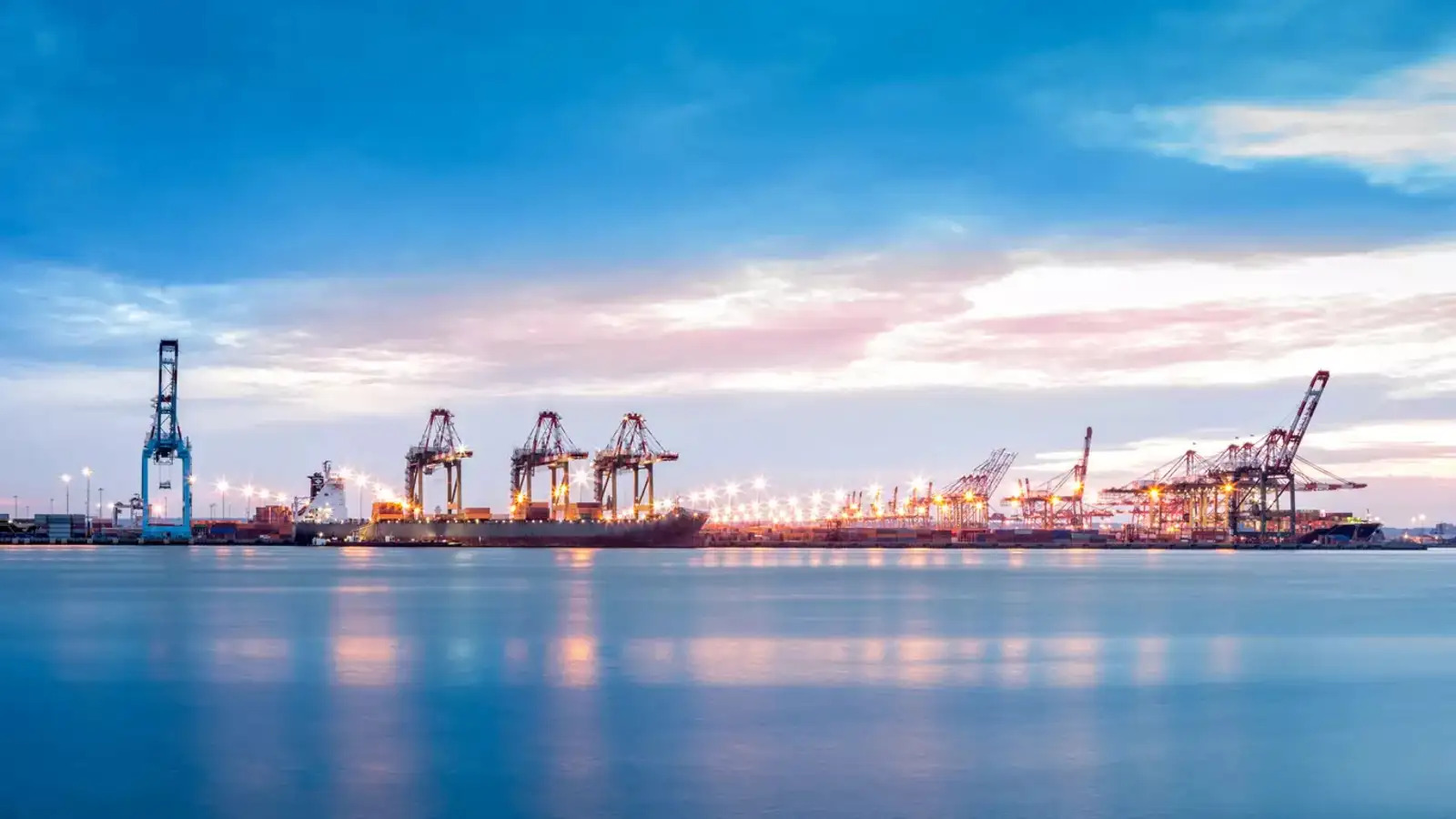
Kolkata’s historic riverfront is on the cusp of a major transformation, with a new master plan set to redefine the city’s relationship with the Hooghly. Spearheaded by the Syama Prasad Mookerjee Port, the initiative moves beyond mere beautification to embrace a vision of a truly sustainable, equitable, and eco-friendly urban space. The plan centres on the development of a world-class river cruise terminal and a comprehensive rejuvenation of the riverbanks, aiming to leverage the city’s rich riverine heritage to foster responsible tourism and civic engagement.
The ambitious project, which includes a collaborative effort with a prestigious engineering institute, is focusing on the revitalisation of 357 acres along the Kolkata riverbanks and 290 acres on the Howrah side. This master plan seeks to reclaim neglected industrial land and convert it into vibrant, accessible public spaces. An official from the port authority highlighted the project’s intention to develop the riverbanks into hubs of activity, fostering a renewed socio-cultural connection between citizens and the river. This transformation is not just about aesthetics but about creating a new, green urban corridor that prioritises low-carbon transport and community well-being.
A key component of this master plan is the construction of a modern river cruise terminal, a move aligned with the national policy to promote inland waterways as an alternative, sustainable mode of transport. The development is a strategic effort to position the city as a nexus for eco-friendly tourism, allowing for a seamless, low-impact connection to historical towns along the Hooghly. By promoting river-based travel, the project aims to reduce the city’s reliance on road transport for tourism, thereby contributing to a lower carbon footprint and reduced urban congestion.
The focus on an equitable and gender-neutral urban environment is a pivotal element of the riverfront’s rebirth. The master plan for the revitalisation of ghats and the creation of new public destinations, such as Millennium Park 3 and a museum at Armenian Ghat, is being designed with inclusivity at its core. By creating well-lit, safe, and accessible public spaces, officials are aiming to ensure that the riverfront is a welcoming area for all members of society. This commitment to equitable design acknowledges the importance of providing safe recreational spaces for women, children, and marginalised communities, a critical step towards building a truly inclusive city.
Furthermore, the project is underpinned by the principles of sustainable tourism, echoing the broader national “Responsible Tourism Mission 2025.” A tourism expert emphasised that while West Bengal possesses immense diversity, its tourism sector remains largely under-explored. This riverfront development, therefore, presents a unique opportunity to demonstrate how large-scale urban renewal can be executed with environmental stewardship and community benefit at its forefront. By adopting a model of heritage-led development and public-private partnerships, the initiative aims to not only restore cultural landmarks but also to create enduring public assets that preserve the river’s legacy for future generations. The success of the project will ultimately be measured not only in tourist footfall but in its ability to permanently enhance the quality of urban life along the Hooghly.
Also Read :Mumbai Set to Launch New Electric Water Taxis on September 22
