


India’s first bullet train project on the Mumbai–Ahmedabad corridor is now firmly set for a 2027 launch, according to senior government officials. The confirmation comes amid renewed emphasis on sustainable infrastructure, with Japan continuing to play a pivotal role in the nation’s transformative transport ambitions.
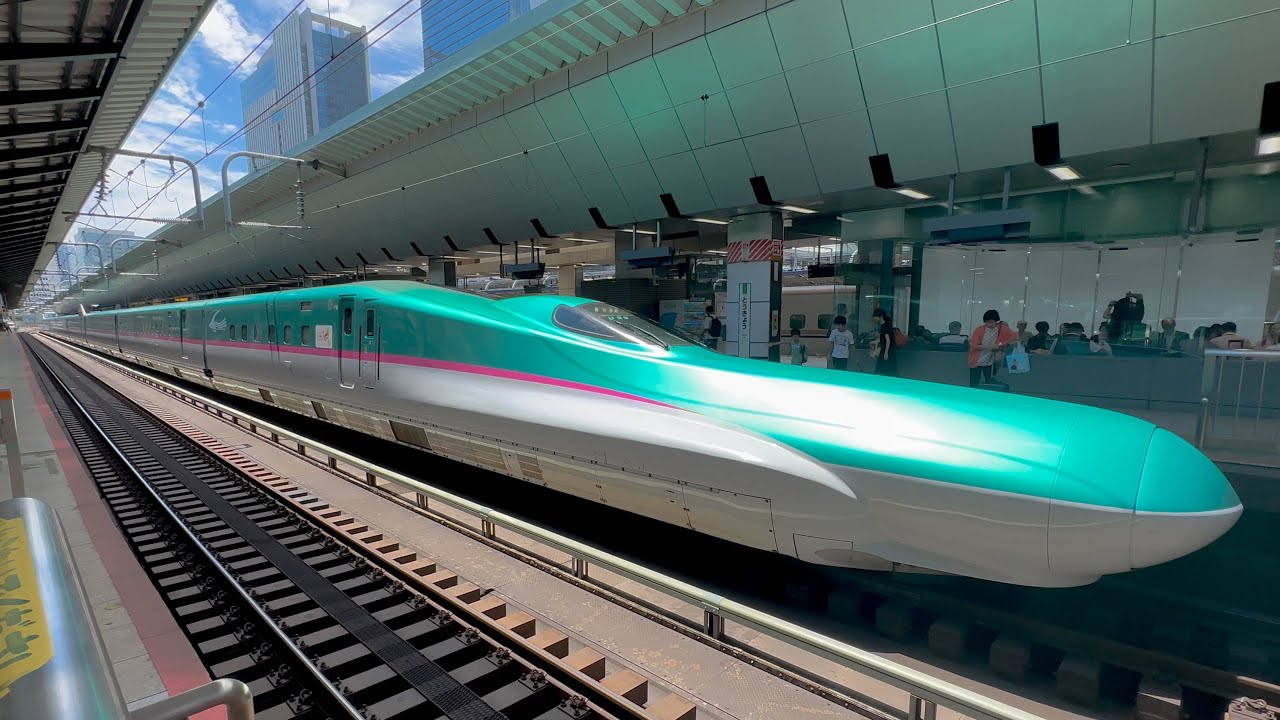
The 508-kilometre high-speed corridor, being developed with Japanese technological and financial support, is expected to drastically cut travel time between Mumbai and Ahmedabad from over six hours to just under three. Experts view this not only as a leap in transport modernisation but also as a catalyst for green mobility by encouraging a modal shift away from high-emission road and air travel.Officials noted that despite earlier speculation around delays, the project remains on track. Trial runs are expected to employ Japanese E5 and E3 Shinkansen models, with final rolling stock decisions aligned to India’s operational needs and energy efficiency standards. The initiative underscores a growing Indo-Japanese partnership that extends beyond transport to cover critical minerals, clean technologies, and resilient urban infrastructure.
Also Watch: An Exclusive Interview with Sanjeev Jaiswal (IAS), CEO MHADA
The 2027 launch timeline aligns closely with India’s broader objective of achieving carbon neutrality in transport systems. High-speed rail is expected to reduce dependency on fossil fuel-driven travel, cut congestion on national highways, and lower per capita emissions. Urban planners argue that the bullet train corridor could anchor new economic clusters along the route, easing the urban burden on Mumbai while spurring growth in smaller cities across Gujarat and Maharashtra.This development comes in the backdrop of anticipated Japanese investments worth nearly ₹6 lakh crore over the next decade in India’s infrastructure and technology sectors. Economists suggest this partnership could be as transformative as Japan’s involvement in India’s automobile sector four decades ago, this time driving low-carbon industries and sustainable cities.
Security and strategic ties are also on the agenda as India and Japan revisit their 2008 cooperation framework. Beyond defence, there is growing focus on people-to-people ties, with Japan looking to India to help bridge its looming shortfall of nearly 800,000 advanced technology workers by 2030.For India, the Mumbai–Ahmedabad bullet train represents more than a showcase project. It is seen as a template for the next phase of rail modernisation—one that balances speed with sustainability, growth with equity, and bilateral cooperation with domestic innovation. If delivered on schedule, the 2027 launch could mark the beginning of a new era of high-speed, climate-friendly mobility in India.
